LOCAL
Ecological Alert: Zebra Mussels Now Reproducing in Clear Lake


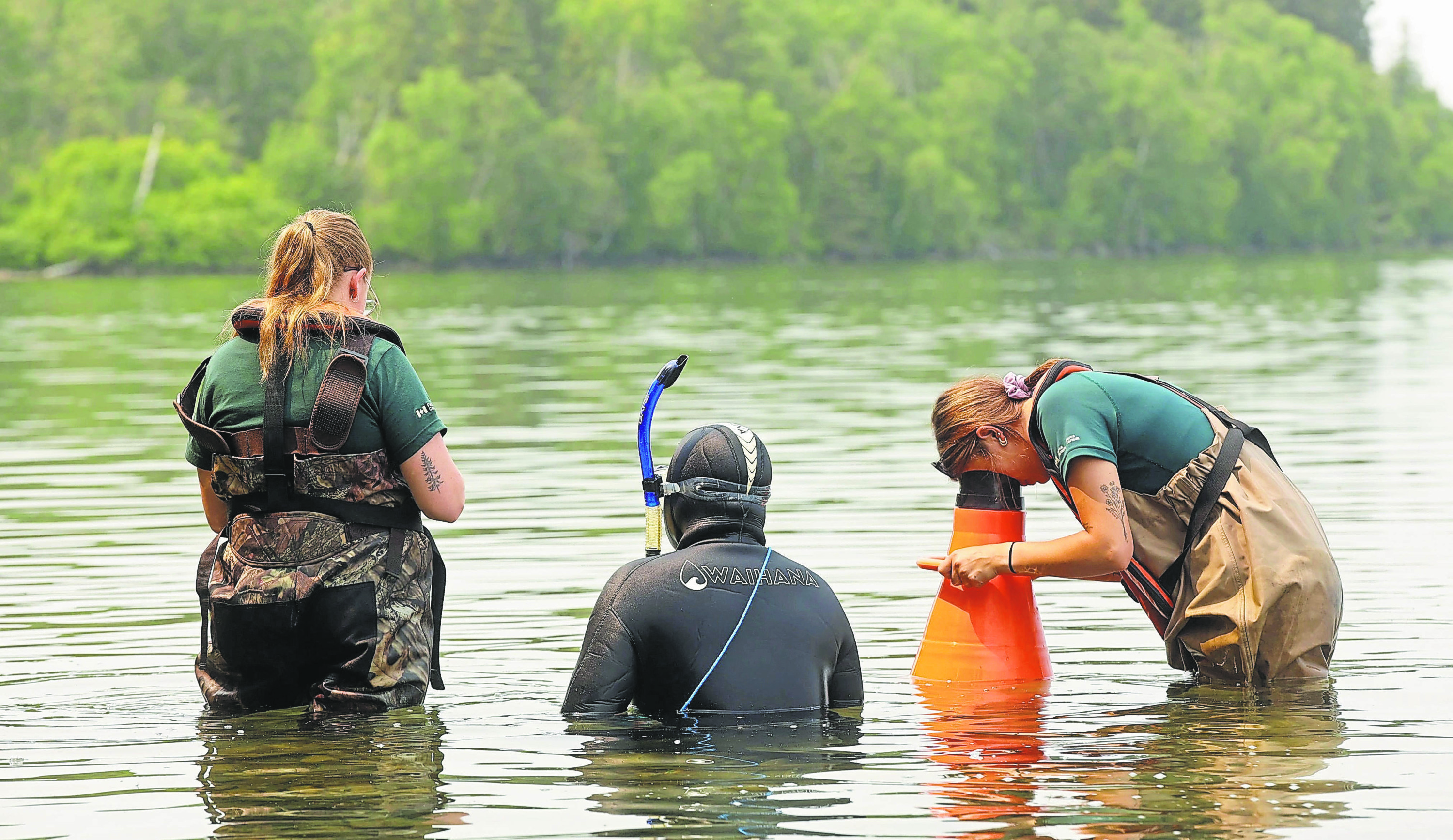
Key Takeaways
- Parks Canada has officially confirmed the reproduction of zebra mussels within Clear Lake.
- This critical discovery emerged from the agency’s 2025 aquatic invasive species monitoring efforts.
- The confirmed reproduction signifies an established and expanding population of the invasive species in the lake.
The Deep Dive
Parks Canada, the federal agency entrusted with protecting and presenting Canada’s natural and cultural heritage, recently announced a significant environmental development concerning Clear Lake. Following their comprehensive 2025 aquatic invasive species monitoring program, the agency has confirmed that zebra mussels are not merely present but are actively reproducing in the lake. This finding marks a worrying escalation from simple presence to established colonization, indicating a potentially irreversible shift in the lake’s ecosystem.Zebra mussels (Dreissena polymorpha) are notorious freshwater bivalves, originally from Eastern Europe, that have become one of the most destructive invasive species globally. They reproduce rapidly, attach to almost any hard surface, and filter vast amounts of water, drastically altering aquatic environments. Their presence can lead to increased water clarity, which might seem beneficial, but it disrupts the natural food web by removing phytoplankton that native species rely on, ultimately impacting fish populations and overall biodiversity.
Why It Matters
The confirmation of reproducing zebra mussel populations in Clear Lake carries profound implications for the lake’s ecological future and the broader region. An established, reproducing population means that eradication is highly unlikely, and management efforts will shift towards containment and mitigation. These mussels can clog water intake pipes, damage boats, and disrupt the delicate balance of aquatic ecosystems by outcompeting native species for food and habitat. For Parks Canada and local communities, this development necessitates intensified monitoring, substantial resource allocation for management, and public education campaigns to prevent further spread, highlighting the persistent challenge invasive species pose to natural heritage sites.