LOCAL
Eyes in Your Ears: How Apple’s Upcoming AirPods Pro with IR Cameras Will Change Everything
Apple’s next AirPods Pro are rumored to feature IR cameras for Visual Intelligence and Spatial Audio. Discover how these sensors will transform Apple’s wearables.


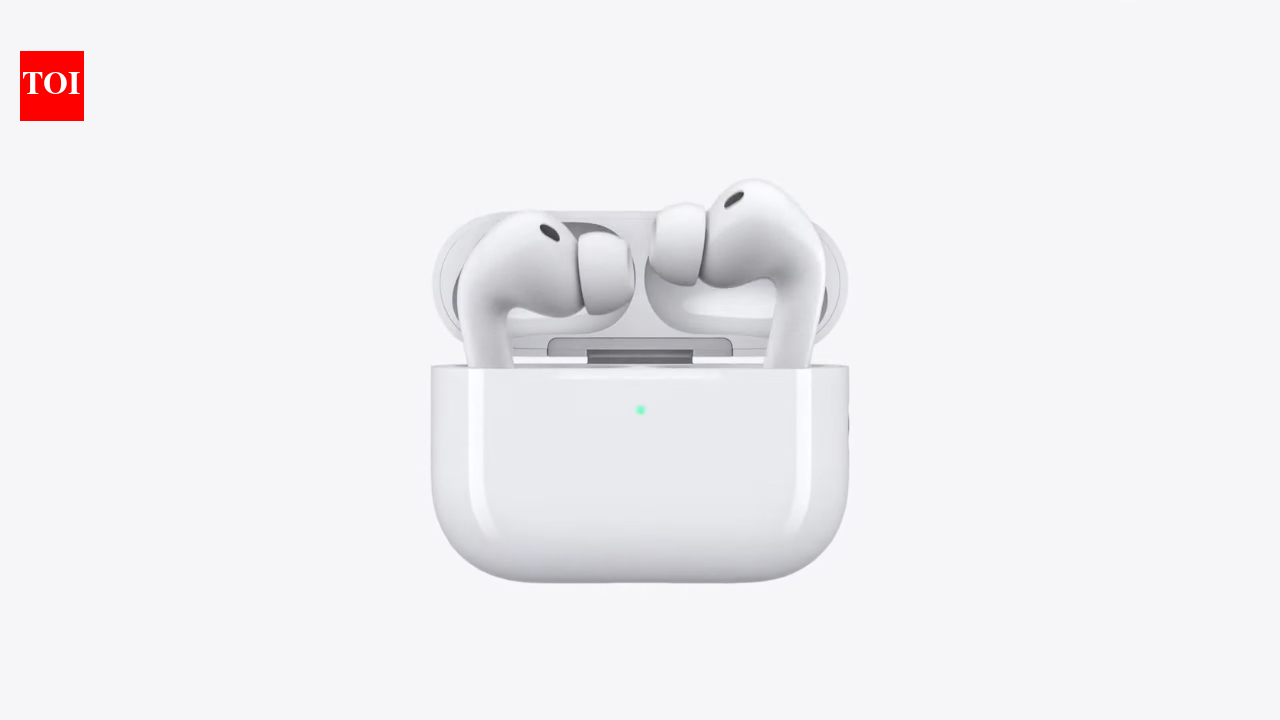
A New Era for Personal Audio
For years, the evolution of the Apple AirPods Pro has been defined by incremental improvements in active noise cancellation, battery life, and acoustic transparency. However, a new wave of industry reports suggests that Apple is preparing for a radical shift in how we perceive and interact with its most popular wearable. The upcoming generation of AirPods Pro, widely expected to debut as early as this year, is rumored to feature integrated infrared (IR) cameras, transforming the earbuds from mere audio drivers into sophisticated sensory tools for the era of artificial intelligence.
The Leak: ‘Next AirPods Pro Can See Around You’
The buzz surrounding these hardware changes intensified recently when noted leaker Kosutami shared a brief but provocative post on X (formerly Twitter). The post claimed that the next iteration of the AirPods Pro would be able to “see around you,” effectively confirming that imaging sensors are the primary hardware focus for the next update. While Apple has historically maintained a three-year refresh cycle for the Pro lineup, these rumors suggest the company may be moving faster to align its hardware with its aggressive rollout of Apple Intelligence.
Understanding the Technology: IR Cameras vs. Traditional Lenses
It is important to note that these are not standard video cameras designed to capture photos or 4K video. Instead, according to veteran analyst Ming-Chi Kuo, Apple is opting for infrared camera modules. This technology is more akin to the Face ID hardware found on the iPhone than a traditional camera. By using multiple light sources to map depth and distance, these sensors allow the device to build a mathematical model of the user’s environment.
This hardware implementation serves several purposes. Primarily, it is designed to enhance the Spatial Audio experience, particularly when used in conjunction with the Apple Vision Pro. By mapping the room in real-time, the AirPods can calibrate audio reflections and positioning with surgical precision, ensuring that sound remains anchored in the physical world even as the user moves.
The Visual Intelligence Connection
Beyond audio, the addition of IR sensors acts as a data pipeline for ‘Visual Intelligence,’ a feature Apple CEO Tim Cook has recently touted as a cornerstone of the company’s AI future. While the iPhone 16 uses its primary camera for visual search and object identification, the AirPods Pro could provide a constant, low-power stream of environmental data. This would allow the Apple Intelligence ecosystem to understand the context of where a user is and what they are looking at without the user ever needing to take their phone out of their pocket.
Design Consistency and Pricing Strategy
Despite the high-tech internal upgrades, reports suggest that Apple will maintain the external aesthetic of the current AirPods Pro. The goal appears to be a seamless integration of the sensors into the existing white stems. There is significant debate regarding the price point; while some leakers suggest Apple will keep the current pricing, others point to the recent AirPods 4 launch as a potential template. Apple may offer a two-tier Pro lineup: a standard high-fidelity model and a premium ‘Vision-Ready’ model featuring the new IR camera array.
Looking Toward the Horizon
While Apple typically reserves its major hardware announcements for its annual September iPhone event, the rapid development of its AI software suite could move the timeline forward. Whether these new AirPods arrive in late 2024 or early 2025, they represent a significant step in Apple’s quest to dominate the ‘ambient computing’ market. By putting ‘eyes’ in our ears, Apple is not just changing how we listen to music—it is changing how our digital assistants see the world we live in.