
National
A 10-Year Plan to End Homelessness: What Canada’s New Budget Allocates for Housing and Services
By Current Editor
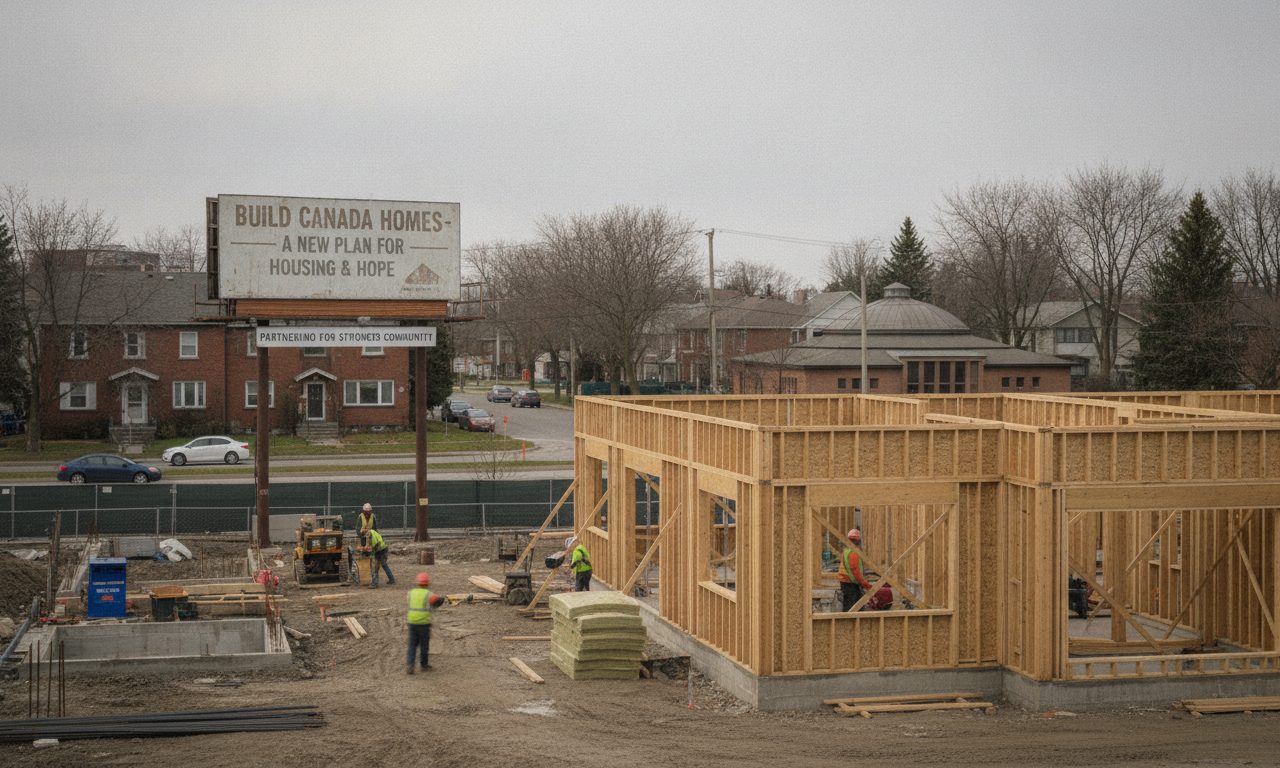
Federal Government Outlines $11.2 Billion Strategy
The Canadian government plans to eliminate homelessness within a decade, according to details unveiled in the 2026 federal budget by Finance Minister François-Philippe Champagne on Thursday. The multi-year strategy commits $11.2 billion over four years alongside $17.8 billion in subsequent years. The funds will target stable housing, mental health infrastructure, addiction centers, and prevention initiatives across the country.
Data from Housing, Infrastructure and Communities Canada reveals that homelessness rose by 59 per cent from 2020 to 2025. This surge followed a 2017 national commitment to reduce chronic homelessness by half by the 2027-28 fiscal year. An Abacus survey conducted in October indicated that ten per cent of Canadians have experienced homelessness themselves, while one-third know someone who has been affected. In pre-budget remarks, Champagne noted that 65,000 Canadians currently suffer from homelessness, stating that taking action is the right step.
Targeted Funding, Partnerships, and Local Initiatives
To execute the plan, federal officials intend to partner with provincial governments, municipalities, and charitable organizations to connect individuals with employment, skill training, and income assistance. Through Build Canada Homes, the government is introducing an integrated supports fund designed to combine residential space with healthcare, social, and addiction support services. Under this model, the federal government will cover capital construction costs for supportive and transitional units, while provinces and territories will handle operational funding.
A specific $1 billion partnership with Manitoba through Build Canada Homes will fund 2,000 new permanent supportive and transitional housing units alongside personalized wraparound supports in Winnipeg. Manitoba must maintain its current funding levels for the initiative to succeed, taking inspiration from Toronto’s Dunn House project. Nationally, the budget also designates $2 billion over two years toward the Health Infrastructure Fund, guarantees $6.5 billion over ten years for existing Reaching Home and Veterans Homelessness initiatives, and extends the Canada Housing Benefit for another decade.
Political Reactions and Municipal Support
political leaders and stakeholders offered varied responses to the measure. Tim Tierney, president of the Federation of Canadian Municipalities, praised the federal initiative, noting that municipal leaders have long requested decisive action, while emphasizing that turning commitments into lasting support remains the primary test. Meanwhile, NDP Leader Avi Lewis expressed support for the funding aimed at ending homelessness, but stated his party will closely monitor the funds to ensure they remain within the public sector for non-market housing and public services. Bloc Québécois finance critic Jean-Denis Garon argued that Quebec demonstrates strong leadership on the issue and suggested the majority of federal funds allocated for the province should be funneled directly through Quebec’s administration.
To send a tip or ask about advertising, write to [email protected] or call 250-317-5888.