
Alberta
Decades of Western Alienation Lead Albertans to Referendum on Canada’s Future
By Current Editor
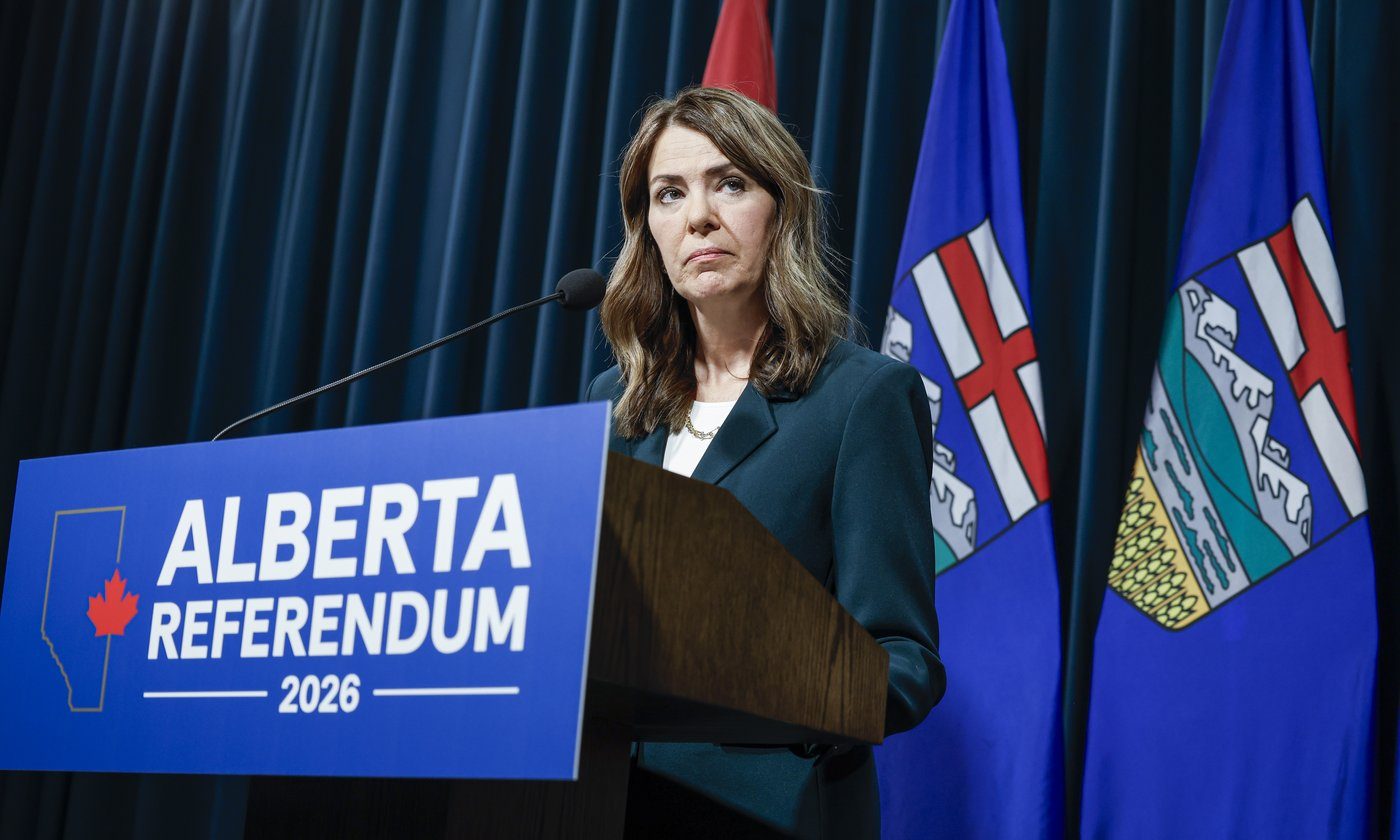
Albertans Head to the Polls on Separation Referendum
Voters in Alberta go to the polls on Monday to decide a crucial question regarding their province’s place in the nation. The referendum asks whether Alberta should remain in Canada or conduct a second, binding vote on separating from the country. The vote marks a major moment following decades of tension between the province and the federal government.
Historical Strains and Political Shifts
Friction with Ottawa dates back to 1980, when the federal government introduced the National Energy Program. The policy held domestic oil prices below world levels to boost national energy security and boost federal revenue shares. Alberta viewed the measure as an unjustified money grab, initiating long-standing discontent. Although the issue was resolved, western alienation persisted. In 1982, Gordon Kesler won a provincial byelection under the separatist Western Canada Concept Party banner, though he lost his seat later that year when the party captured 12 per cent of the vote but no legislature seats.
Anti-Ottawa sentiment surged again in 2019 after Jason Kenney led the United Conservative Party to victory. Kenney capitalized on frustration over federal regulations that were seen as damaging Alberta’s capacity to build wealth through oil and gas. While fighting for greater autonomy, Kenney remained an advocate for remaining in Confederation. His successor, Danielle Smith, won the 2023 election after campaigning to further assert independence. Smith described her aim as a sovereign Alberta within a united Canada and acknowledged separatist concerns as legitimate grievances.
Legal Challenges and the Path to the Ballot
Political developments accelerated after Mark Carney’s Liberals won a minority government on April 28, 2025. On May 5, Premier Smith created a panel to explore Alberta’s future. She stated her government would honor a successful citizen petition for a vote rather than put separation on a ballot directly. In June 2025, former Progressive Conservative deputy premier Thomas Lukaszuk gathered over 400,000 signatures for his “Forever Canadian” petition to keep Alberta in Canada, though the effort was later stalled in a legislative committee. Meanwhile, Mitch Sylvestre of the Alberta Prosperity Project collected roughly 223,000 signatures for a separatist petition launched in January 2026.
Although Premier Smith announced nine referendum questions on February 19, 2026, an Alberta Court of King’s Bench judge quashed the separatist petition on May 13, 2026, ruling that the province failed to properly consult First Nations. In response, Smith introduced a 10th question on May 21 asking whether Alberta should remain in Canada or hold a binding separation vote, citing legal uncertainty and citizen petitions as evidence that hundreds of thousands wanted the issue settled.
Financial Studies and Political Impact
Ahead of the vote, the provincial government launched a $4-million ad campaign on September 10, 2026, urging residents to vote to stay in Canada as polls indicated broad support for remaining. Days later on September 14, the UCP lost a byelection in Calgary-Shaw to the NDP, a defeat critics attributed to reaction over the referendum, though Smith’s office cited right-centre vote splitting.
On September 16, 2026, the government released a University of Calgary report outlining the financial implications of independence. The study estimated an initial five-year cost ranging between $50 billion and $170 billion, emphasizing that the final price tag would depend heavily on variables outside Alberta’s control.
To send a tip or ask about advertising, write to [email protected] or call 250-317-5888.