
BC Stories
Loss of Newborn Calf Puts Fresh Focus on Endangered Southern Resident Whales
By Current Editor
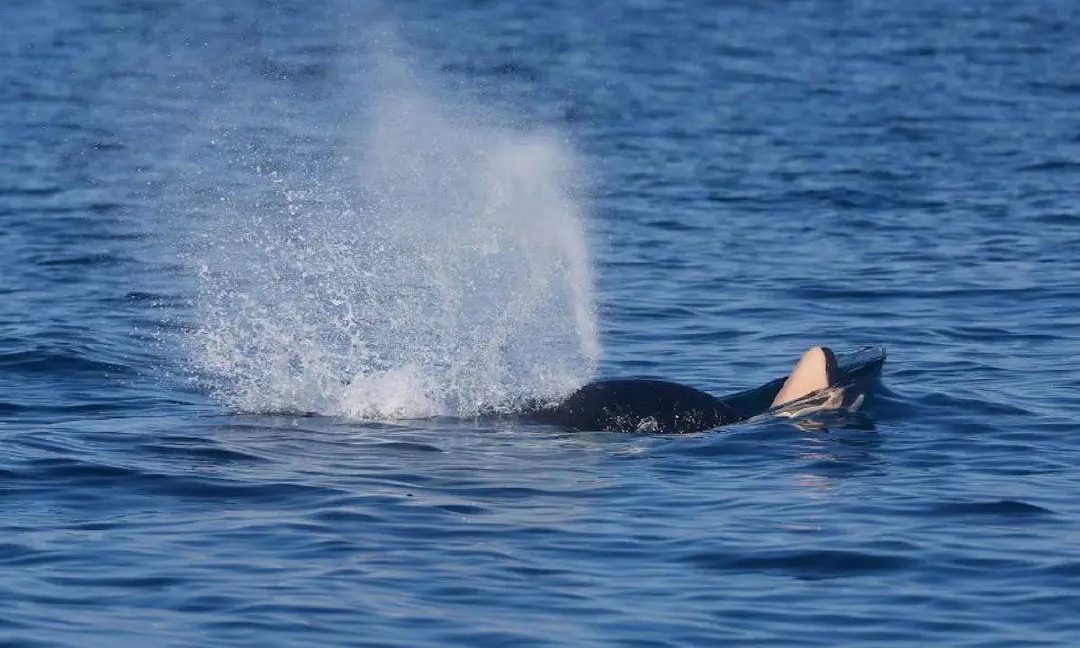
Tragic Sight Recorded Off Sombrio Point
Researchers with the Center for Whale Research confirmed that a female southern resident killer whale was seen pushing a dead newborn calf on her nose on Oct. 3 in the Strait of Juan de Fuca near Sombrio Point.
Mark Malleson, a researcher with the Washington-based organization, spotted the 31-year-old orca—identified as J31 or Tsuchi—travelling alongside her immediate family. According to a statement from the group, “It s unclear whether the newborn was a male or female, if it had been carried to full term prior to birth, and if it died after birth or was a stillbirth.”
Reproductive History and Population Pressures
Born in 1995, Tsuchi has a history of reproductive loss, including failed pregnancies and a deceased calf she carried in 2016. Her only surviving offspring is J56, a female named Tofino who was born in 2019.
The loss underscores the deep reproductive challenges confronting the critically endangered population. The Center for Whale Research emphasized that access to large, nutritionally rich Chinook salmon remains one of the primary factors limiting their ability to recover.
“For a population as small as the southern residents, the successful birth and survival of every calf matters,” the organization stated.
Pattern of Loss Across Pods
Tsuchi’s loss recalls similar events documented in the southern resident population, which comprises J, K and L pods. In 2018, J35 (Tahlequah) gained international attention after carrying her dead calf over 1,600 kilometres during a 17-day journey. Tahlequah was seen carrying another dead calf on her head or snout in early 2025. Later that year, 26-year-old J36 (Alki) lost a female calf—marking her fifth documented pregnancy, with only one calf surviving past infancy for under two years.
Recent census data from the Center for Whale Research recorded 74 southern residents, up by one from 73 in 2024. Although two births—K47 in December of last year and L130 in June—raised the total to 76, another calf, L129, is presumed dead after going missing from L-pod in June following observations of poor physical condition.
“The southern resident killer whales remain critically endangered, and their recovery depends not simply on increasing the number of pregnancies, but on creating the conditions in which mothers and calves can survive and thrive,” said the Center for Whale Research.
To send a tip or ask about advertising, write to [email protected] or call 250-317-5888.