
National
National School Food Program Faces Scrutiny After Testimony Shows Inflation Erodes Funding
By Current Editor
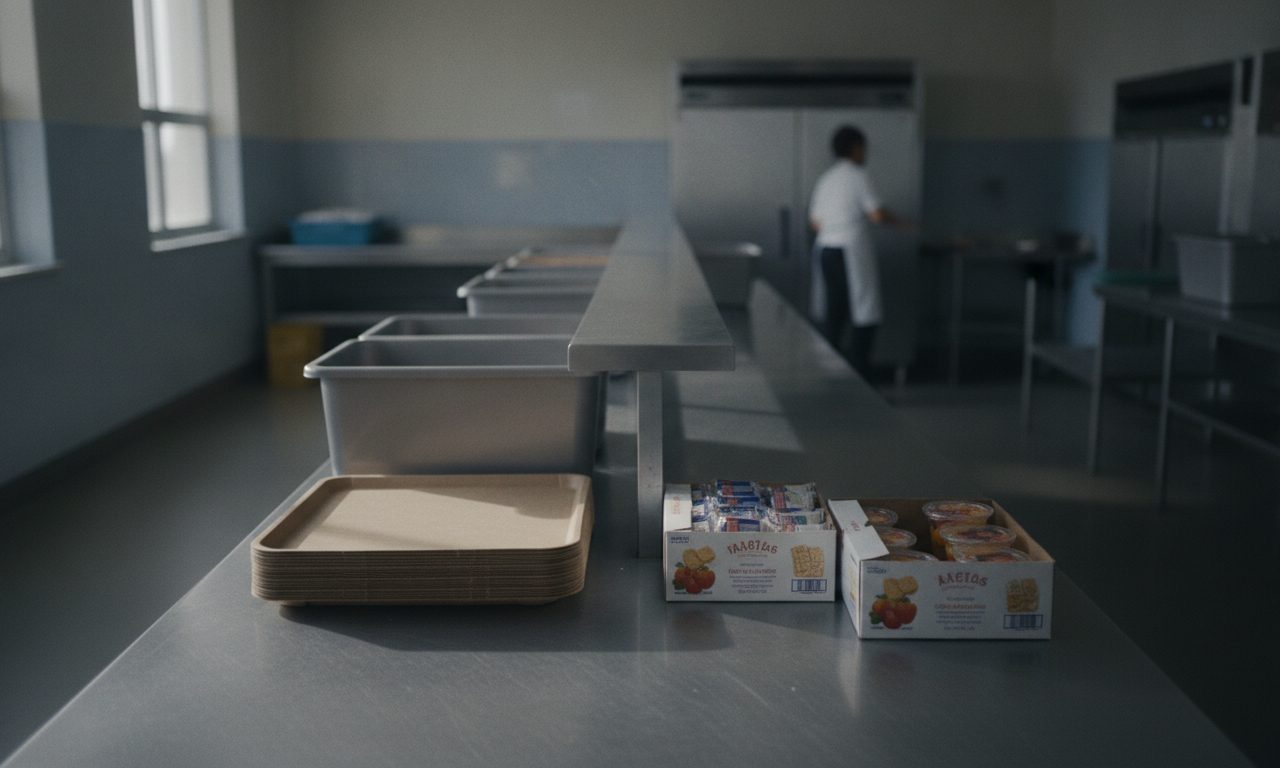
Federal School Food Program Funding Questioned at Committee
Testimony presented to the Human Resources Committee has raised questions regarding the reach and purchasing power of the federal government’s $1 billion National School Food Program.
Judith Barry, co-founder of Breakfast Club of Canada, informed the committee that inflation has reduced the value of the $1 billion pledge to approximately $783 million in actual food value, amounting to about 78 cents on the dollar. According to statement figures, program funding amounted to 22 cents per student daily in 2021, with purchasing capacity stretching further downward as overall costs rise.
Opposition Calls for Lower Costs and Alternative Policy
Laila Goodridge, Conservative Shadow Minister for Families, Children and Social Development, criticized the government’s claims that 400,000 children would be fed by the initiative. Goodridge noted that the Canadian Institutes of Health Research stated that “more data are needed to better understand the impact of school food programs,” adding that warnings were previously issued in 2024 that feeding 400,000 children daily would require significantly more than $1 billion.
“This week, Canadians learn that the Liberals’ claim to feed 400,000 children through their billion-dollar National School Food Program is just another empty promise,” Goodridge stated.
Goodridge highlighted economic pressures since 2021, including a 27.3 per cent increase in food prices, a 27.6 per cent rise in grocery costs, and a 27.2 per cent jump in meat prices. To lower costs for families, Conservatives are proposing measures including a federal fuel tax holiday extension, removing the GST from gas and diesel, eliminating the industrial carbon tax, and removing Clean Fuel Regulations.
To send a tip or ask about advertising, write to [email protected] or call 250-317-5888.