
BC Stories
Shrinking Fraser River Sockeye Numbers Threaten B.C. Economy, First Nations Culture, and Local Tourism
By Current Editor
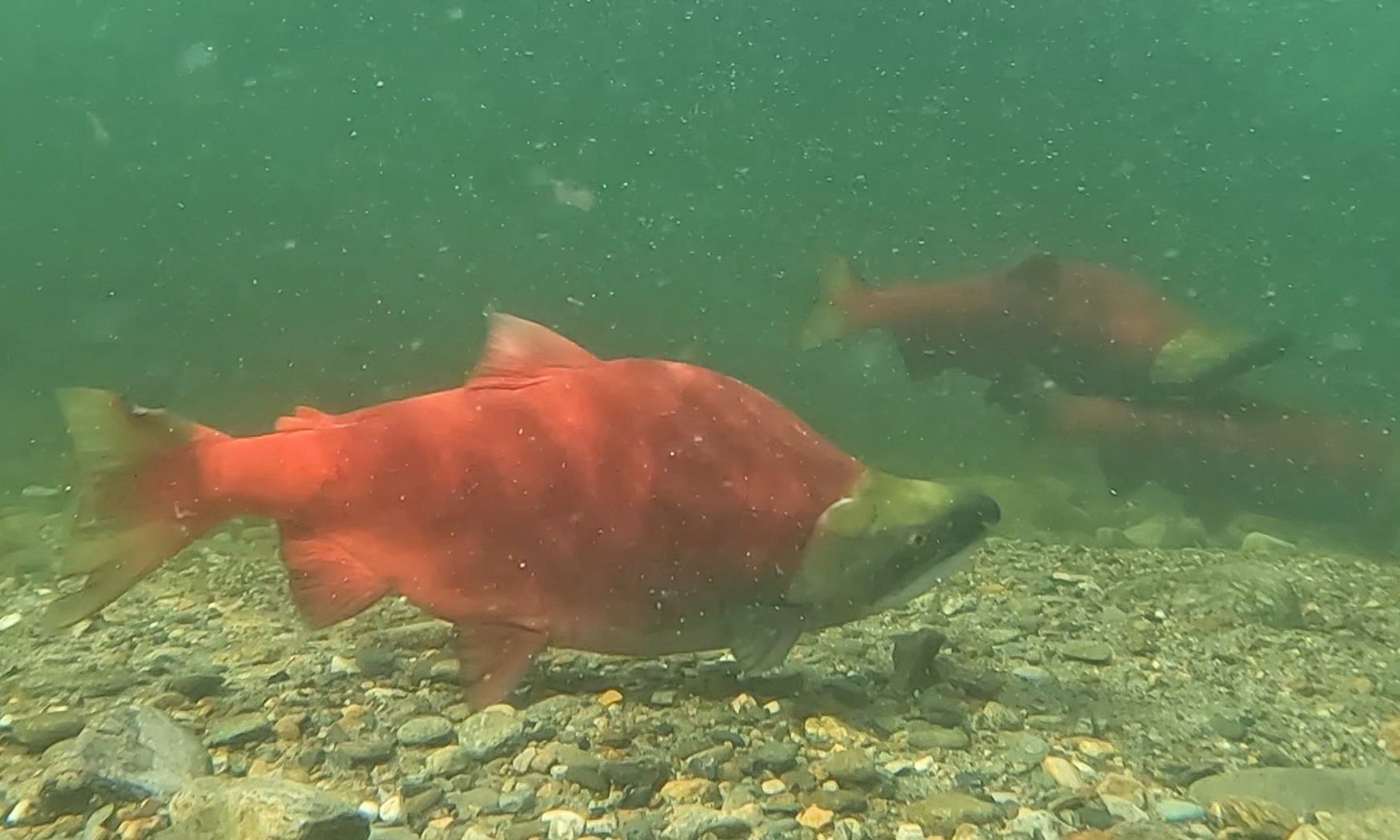
Drastic Drop in Peak-Cycle Sockeye Numbers
This fall’s Fraser River sockeye salmon migration yielded historically low returns for what was expected to be a dominant four-year run. Approximately 3 million sockeye returned to spawn overall, with an estimated 200,000 to 300,000 reaching spawning grounds in the Adams River region. Experts are raising concerns over the low figures, comparing them to 2010 when the same four-year cycle saw nearly 28 million fish return to the Fraser River watershed.
Hwang noted that the sharp drop severely limited access to a resource vital to British Columbia’s economy, First Nations food security and culture, and recreational angling opportunities. While causal factors remain complex, researchers point to changing ocean conditions driven by climate change, along with drought, forest fires, and human activities. In the Thompson-Shuswap region, an action plan by the Thompson-Shuswap Salmon Collaborative indicates that 12 out of 18 salmon populations face at-risk designations from the Committee on the Status of Endangered Wildlife in Canada.
Calls to Revisit National Inquiry Findings
To address the ongoing drop in returns, Hwang suggested reviewing the 75 recommendations made by Justice Bruce Cohen during the late 2000s national commission of inquiry into Fraser River sockeye declines. Many of those costly recommendations have not been fully implemented despite similar low returns in 2009. Hwang likened salmon survival to drawing cards in a card game, where habitat conditions, ocean survival, and migration hurdles combine to dictate yearly success.
Last year saw an unexpected return of around 9 million sockeye compared to the 3 million predicted, bringing social, ecological, and economic benefits. However, Hwang emphasized that humans must work to improve spawning habitat conditions, such as directing river flows into crucial pools and side channels, so fish can recover during favorable years.
Local Observations and Management Challenges
Conservative MP Mel Arnold, who serves as associate shadow minister for fisheries and represents the Adams River area, expressed concern over the downward trend. Recalling the Adams River watershed’s legacy as the “richest 300 acres in the world,” Arnold voiced worry regarding federal cuts to monitoring programs, stressing that effective fisheries management requires tracking habitat, harvest impacts, and the potential role of hatcheries, though he stated he hopes the Adams River run never has to rely on hatcheries.
The local landscape also continues to recover from environmental disturbances, including the 2023 Bush Creek East wildfire that affected Tsútswecw Provincial Park and surrounding watershed areas. While repair efforts persist, visitors currently view spawning fish alongside charred trees. Arnold acknowledged that while some salmon runs across the region are performing better, the Adams River and broader Fraser River sockeye returns remain a mystery.
To send a tip or ask about advertising, write to [email protected] or call 250-317-5888.