
National
The Notwithstanding Clause: What’s Happening Now
By News Desk
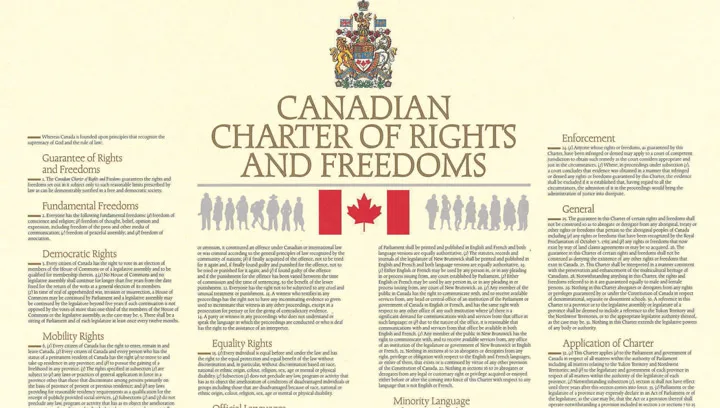
Government of Canada’s Position
The federal government argues that courts should retain the ability to declare Charter violations despite the use of Section 33. This ensures democratic accountability, allowing citizens to know when their rights are being infringed even if a law cannot be struck down. Ottawa is also pushing for limits on pre-emptive use of the clause, emphasizing that it should not be a blanket shield against scrutiny.
Key Arguments & What’s at Stake
For Allowing Declarations
- Transparency & Accountability: Courts’ declarations signal when rights are infringed, empowering citizens to respond through elections or public pressure.
- Clarifying the Law: Judicial findings help define rights and guide future governments and legal challenges.
- Preventing Abuse: Without oversight, the clause could be misused to bypass rights protections.
For Limiting Judicial Power
- Constitutional Text: Some argue Section 33 was designed to let legislatures override Charter rights without judicial interference.
- Separation of Powers: After a valid invocation, courts may have little role in declaring further violations.
- Practical Concerns: Ongoing declarations could politicize courts and normalize overuse of the clause.
What the Supreme Court Will Decide
The Court will determine whether judicial declarations remain possible when Section 33 is invoked. The ruling could reshape how frequently the notwithstanding clause in Canada is used and how governments balance legislative sovereignty with individual rights.
Conclusion
The debate reflects a core constitutional tension: legislative power vs. rights protection. The government’s stance underscores that even when laws are shielded from being struck down, Canadians deserve transparency about whether their rights are being limited. The upcoming decision could redefine constitutional accountability in Canada for decades to come.
To send a tip or ask about advertising, write to [email protected] or call 250-317-5888.