
BC Stories
What B.C. Party Leaders Promised During Their Only Televised Election Debate
By Current Editor
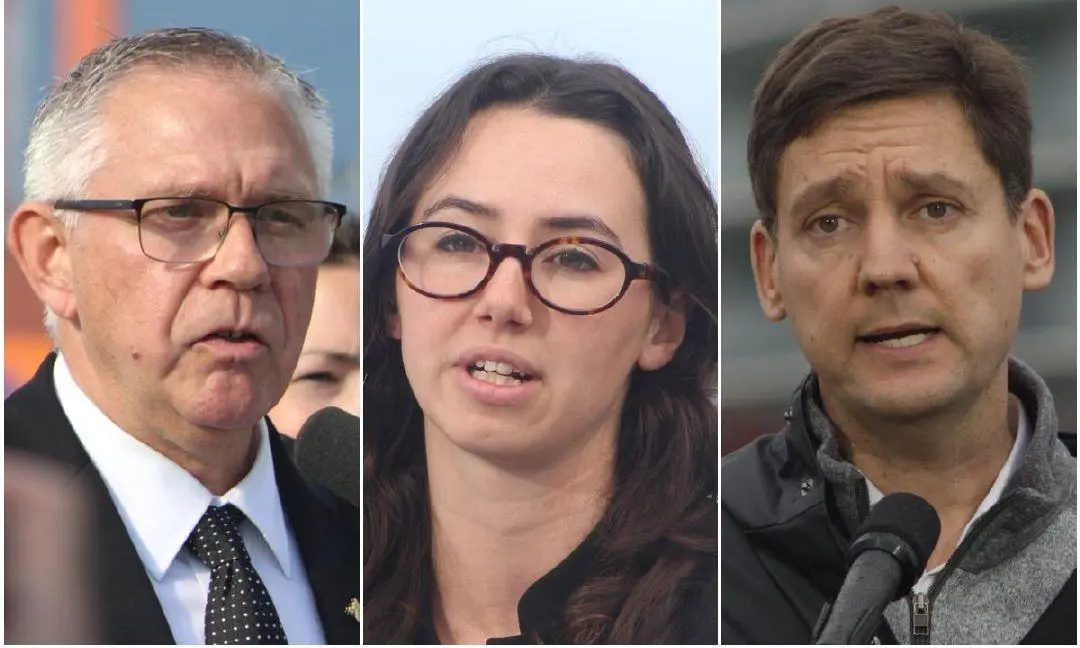
Key Policy Clashes on Housing, Healthcare, and ICBC
British Columbian voters head to the polls on Oct. 24 following the province’s first and only televised leaders’ debate. During the broadcast, B.C. Conservative Leader Lorne Doerkson defended his platform to replace ICBC’s no-fault system with personal injury lawsuits. Asked about potential cost impacts on ratepayers, Doerkson did not give a figure, saying, “I am committed to keeping our rates very competitive in British Columbia.” On healthcare, Doerkson sought to clarify his stance on private options, stating, “I want a fully public system that everyone in this province can access.”
NDP Leader David Eby faced challenges over housing targets from both Doerkson and B.C. Greens candidate Emily Lowan, who criticized Eby for “broken promises.” On Indigenous rights, leaders addressed the Declaration on the Rights of Indigenous Peoples Act following a recent court decision that invalidated parts of the Mineral Tenure Act. Doerkson urged the immediate repeal of the law, while Lowan advocated keeping it intact, and Eby faced criticism for not introducing previously promised amendments. All three leaders agreed on advancing partnerships with First Nations.
Controversies and Qualifications Dominate Opening Exchanges
The debate opened with intense exchanges over party governance and campaign conduct. Eby defended his decision to call an early election, explaining that a one-vote majority created severe instability and forced colleagues to vote from hospital beds. “This was not a government that was able to deliver the big swings that you and your family need government to be taking for you,” Eby said.
Attention quickly turned to social media comments made by Conservative campaign director Katy Merrifield that denigrated Islam. Doerkson defended retaining her, stating the post occurred during a moment of trauma for Merrifield as a survivor of sexual violence, adding that she removed the post and has been apologetic. Eby challenged Doerkson on the decision, noting, “Her Twitter feed reads like the worst corners of the dark web,” and pointing to calls from national Muslim organizations for her removal. Doerkson countered by citing former NDP cabinet minister Selina Robinson’s 2024 resignation from caucus over antisemitism allegations within the NDP following controversial remarks about Palestine.
Emerging Leaders and Excluded Parties
Lowan, a 25-year-old activist and first-time candidate, highlighted her distinct background when asked about her credentials by moderator Shachi Kurl. “I’m the only leader on this stage who is a renter,” Lowan said. “I’m the only leader on this stage who has worked a minimum wage job in the last decade, which means that I am the only leader on this stage that feels the decisions being made in the legislature, especially as it relates to the cost of living crisis and the climate crisis.” Lowan called for taxes on wealthy assets, contrasting Eby’s warnings about unfunded Conservative spending and Doerkson’s stance against tax increases.
Two other party leaders were excluded from the main debate stage because their parties did not field candidates in enough ridings. In brief statements, CentreBC Leader Elenore Sturko presented her party as a “socially progressive, environmentally pragmatic, and fiscally responsible” voice for accountability, while OneBC Leader Dallas Brodie pledged tax cuts and an end to government land agreements with First Nations.
To send a tip or ask about advertising, write to [email protected] or call 250-317-5888.