
Alberta
Why Albertans Are Heading to the Polls on the Question of Canadian Unity
By Current Editor
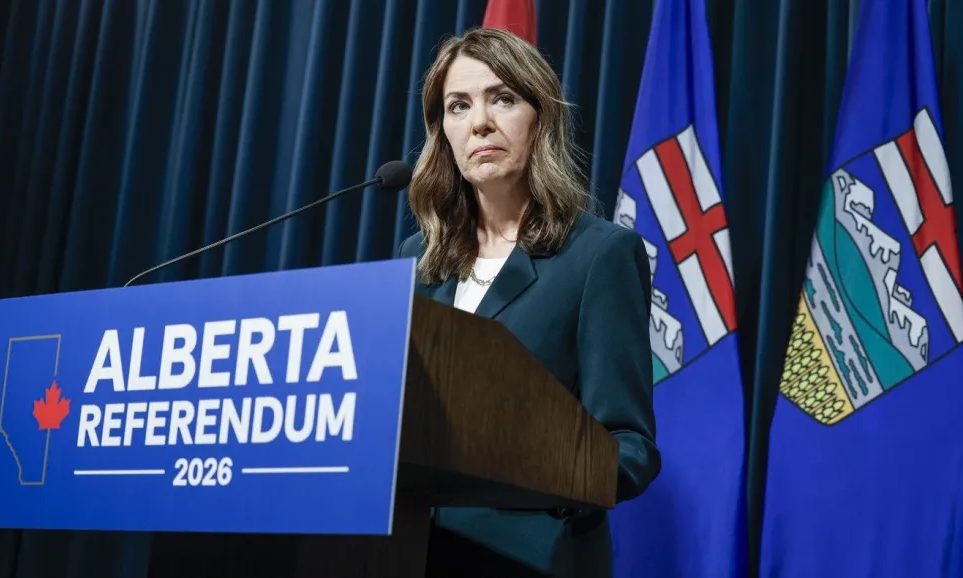
Decades of Friction Culminate in Oct. 19 Ballot
Voters in Alberta head to the polls on Monday to decide whether the province should remain part of Canada or proceed with a second, legally binding vote on separation. The decision arrives after a series of political shifts and mounting tensions between the province and federal officials.
legal Battles and Competing Petitions
The decision to include the question follows intense debate over citizen-led petitions. A petition launched by Mitch Sylvestre of the Alberta Prosperity Project garnered roughly 223,000 signatures to put separation on the table. Although an Alberta Court of King’s Bench judge struck down that petition on May 13, 2026, for failing to fulfill constitutional requirements to consult First Nations, Premier Danielle Smith announced a challenge to the ruling and subsequently added a tenth referendum question on May 21 regarding a binding vote on leaving Canada.
Smith pointed to legal uncertainty surrounding the court decision, as well as an earlier “Forever Canadian” petition started by former Progressive Conservative deputy premier Thomas Lukaszuk that gathered over 400,000 signatures, as evidence that the public wants the matter resolved. Smith stated that while her preference remains a “sovereign Alberta within a united Canada,” those advocating for separation hold legitimate grievances that should be heard.
Economic Reports and Political Fallout
In the lead-up to the vote, the provincial government launched a $4-million ad campaign on Sept. 10, 2026, advocating for Alberta to stay in Confederation as polls indicated broad support for remaining. Shortly after, the ruling United Conservative Party lost a stronghold byelection in Calgary-Shaw to the NDP on Sept. 14, a result critics linked to the referendum debate, though Smith’s office attributed the loss to split votes on the political right.
A University of Calgary report commissioned by the province and published on Sept. 16 estimated that an independent Alberta could face an initial five-year cost ranging between $50 billion and $170 billion, with final figures heavily reliant on outside factors.
Roots of Western Alienation
Tensions between Ottawa and Alberta trace back decades, notably to the 1980 introduction of the federal National Energy Program, which capped domestic oil prices below global levels. Friction surged again in 2019 under former Premier Jason Kenney, who pushed for greater autonomy while opposing separation. Following Mark Carney’s Liberal minority election victory on April 28, 2025, Smith established a panel on Alberta’s future, ultimately setting the stage for the nine original constitutional and immigration referendum questions announced in February 2026, alongside the final question on independence.
To send a tip or ask about advertising, write to [email protected] or call 250-317-5888.