
BC Stories
Why B.C.’s Forestry Crisis is Prompting an Emergency Meeting with Premier Eby
By Current Editor
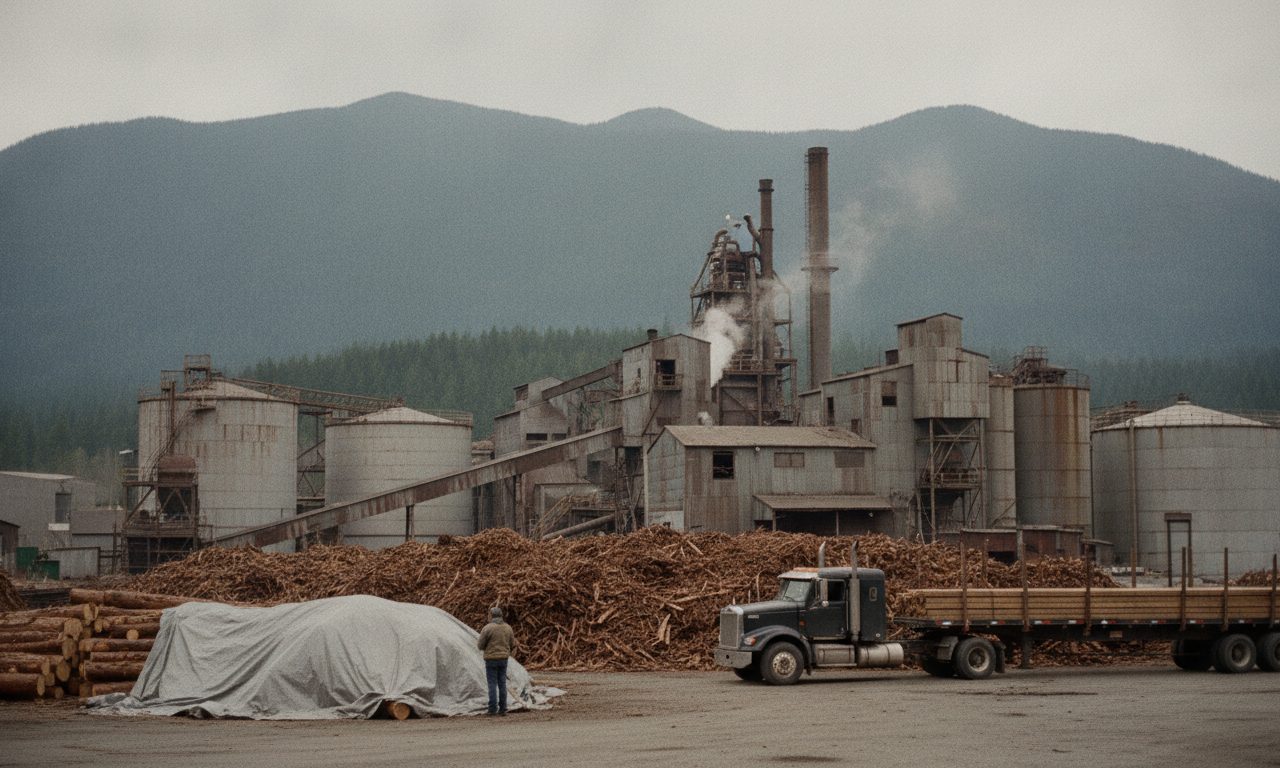
Emergency Talks Scheduled as Industry Shrinks
A broad coalition of British Columbia forestry stakeholders has secured an emergency meeting with the provincial government within a week after delivering an open letter to Premier David Eby. Representing loggers, truckers, First Nations, unions, and specialty groups, the 15 signatories are calling for immediate provincial intervention to stabilize a struggling sector.
The B.C. pulp industry has experienced significant contraction in recent years. “In the last 12 months, we have lost four pulp mills. In the last three years, we have lost seven. There were 17 pulp mills in B.C. three years ago – today there are 10. If we don’t take immediate action, that number will be single digits before this year ends and I believe in five-to-ten years, there will be no industry left,” stated Joe Nemeth from the B.C. Pulp and Paper Coalition.
Local Impacts and Sector Integration
In Kamloops, pulp operations form the core of the local forest sector, where the Kruger mill provides direct and indirect employment for hundreds of residents. Expanding U.S. Section 338 tariffs are anticipated to affect the pulp market, though Nemeth noted that direct trade impacts differ from lumber. “Unlike lumber, the tariffs aren’t as dramatic of a direct hit because we sell about 90 per cent of our pulp offshore, not to the United States,” Nemeth said. “We are not as exposed as lumber, which is about 50 per cent. However, pulp market pricing and pulp market demand is at a seasonal low, and it does that – it cycles up and down.”
Because wood fibre and chips account for 50 to 60 per cent of pulp manufacturing costs, pulp operations and sawmills depend heavily on one another. “If pulp mills are not operating we take six-to-seven sawmills with us for each pulp mill and vice-versa. We are closely integrated,” added Nemeth.
Permitting Delays and Proposed Relief
Industry leaders cite access to timber as their primary challenge, pointing to substantial delays in obtaining provincial approvals. “We need readily, timely access to timber. That is our number one issue. And to give you a real poignant example, if you go one province over to Alberta, it takes weeks to get a cutting permit, whereas in British Columbia, it now takes years of red tape and cost,” said Nemeth.
Kamloops MLA and forestry critic Ward Stamer expressed support for the recommendations submitted by the Council of Forest Industries (COFI), urging swift government intervention. “I support the recommendations submitted by COFI. We need to act quickly and swiftly if we are to save our forest industry. Quicker permitting for wildfire salvage and BCTS sales. Any relief from BC government in fees, fuel, taxes,” said Stamer. Industry representatives suggest that expanding the allowable cut and streamlining permit timelines offer practical avenues for rapid government action.
To send a tip or ask about advertising, write to [email protected] or call 250-317-5888.