
BC Stories
Why Calls to Instantly End the Indian Act Concern Several B.C. First Nations Leaders
By Current Editor
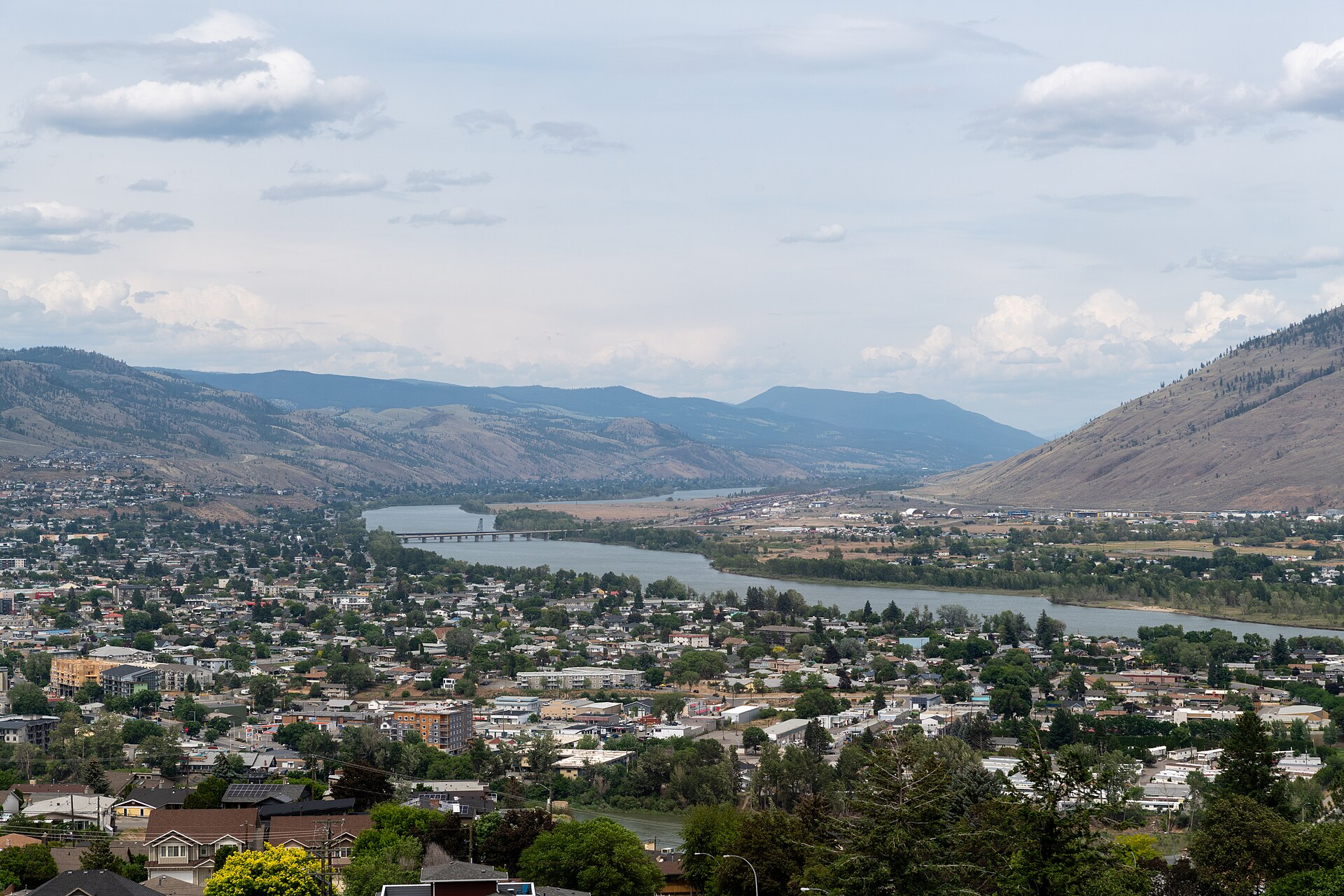
Photo: Hansueli Krapf via Wikimedia Commons, CC BY-SA 4.0.
B.C. Indigenous Leaders Voice Concern Over Abrupt Proposal
A suggestion from Manitoba Premier Wab Kinew to immediately abolish the federal Indian Act has sparked strong reactions among Indigenous leaders in British Columbia. Speaking at a meeting with First Nations, provincial, territorial, and federal leaders — including Prime Minister Mark Carney, who indicated he shared Kinew’s perspective — the Manitoba premier held up his status card to declare that the 1876 legislation should be done away with. However, several B.C. leaders expressed frustration over the sudden announcement made without prior community consultation.
Huy’wu’qw Laxele’wuts’aat Shana Thomas, a hereditary chief of the Leey’qsun First Nation and executive member of the First Nations Summit, noted that Kinew raised the matter before all the chiefs without engaging in any preliminary dialogue. Stewart Phillip, president of the Union of B.C. Indian Chiefs, characterized the premier’s action as highly disrespectful and inappropriate in an email statement. Similarly, B.C. Assembly of First Nations Regional Chief Terry Teegee remarked that the proposal was cavalier, pointing out that despite the act’s racist foundations, it currently offers vital protection for treaty rights, title to lands, and community resources.
Complex Legal Framework and Differing Perspectives
Enacted in 1876, the Indian Act continues to dictate core aspects of First Nations governance, status registration, reserve land management, and financial allocations across Canada. While Thomas acknowledged that removing colonial legislation is a long-standing aspiration, she stressed that the act cannot simply be erased due to the protections and funding mechanisms tied to it. She noted that mechanisms like modern treaties, self-government agreements, land codes, and revenue-sharing already enable nations to transition away from specific parts of the statute.
The proposal did receive nuanced support from some, including Nasuʔkin Cheryl Casimer of the ʔaq̓am First Nation, who agreed that no First Nation desires to remain under restrictive federal oversight. However, Casimer emphasized that because over 600 First Nations exist nationwide, any strategy to repeal the act must involve collective dialogue. Legal experts also highlighted the risks, with lawyer Chris Roine and UBC law assistant professor Scott Franks noting that abolishing the law without a substantive, agreed-upon replacement could jeopardize reserve land rights. Experts and B.C. leaders reinforced that First Nations themselves must guide the scope and timing of self-governance reform through nation-to-nation efforts and established avenues like the B.C. treaty process.
To send a tip or ask about advertising, write to [email protected] or call 250-317-5888.