
BC Stories
Why Community Members Gathered Near MacDonald Park to Reflect on First World War Injustice
By Current Editor
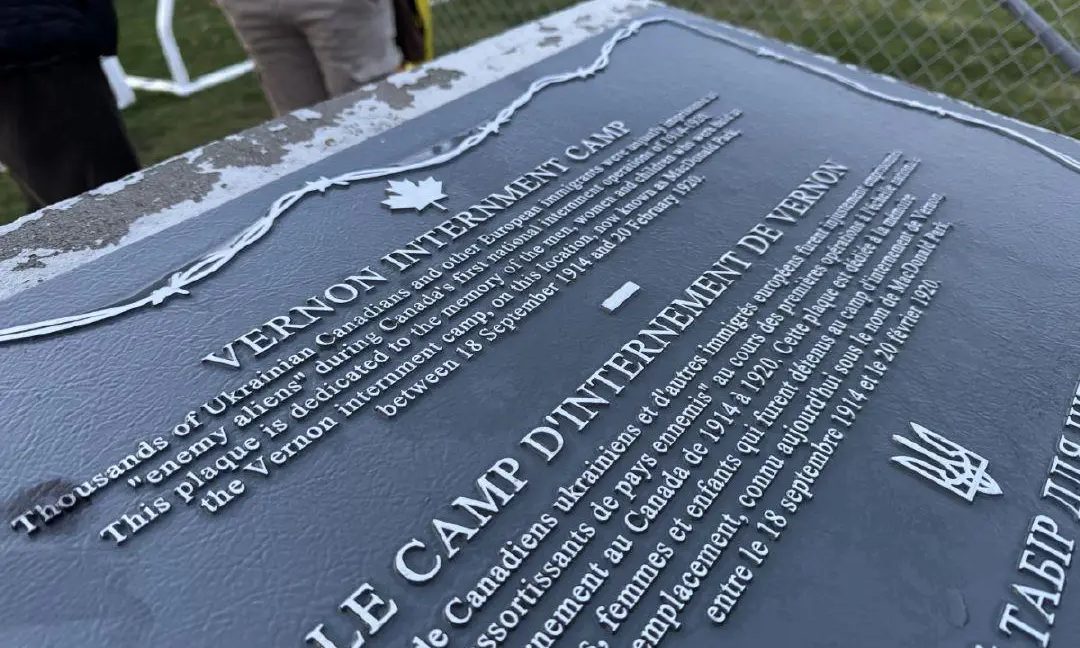
Local Gathering Marks First World War History
Around 20 community members assembled on Wednesday, Oct. 28, near MacDonald Park on the outskirts of Vernon to observe National Internment Commemoration Day. The gathering took place at a monument near Seaton Secondary School that originally was erected in 1997 and replaced a few years ago to preserve the memory of First World War-era internment.
The Vernon Internment Camp operated from Sept. 18, 1914, to Feb. 20, 1920. It stood as one of the largest and longest-operating facilities among the more than 24 camps established across the nation. One-third of all Canadian internment sites were located within British Columbia.
Reflections on Injustice and Resilience
Across Canada, 8,579 people designated as enemy aliens were imprisoned and subjected to forced labor on the country’s frontier, explained Andrea Malysh, president of the Thompson Okanagan Branch of the Ukrainian Canadian Congress. Although the majority were Ukrainian, those interned also included people of Croatian, Bulgarian, German, Hungarian, Italian, and Russian backgrounds. Malysh noted that many lost their personal wealth and remarked, “As Canadians, we are entrusted to ensure that this does not happen again.”
Lawrna Myers of Project Roll Call—an online searchable archive documenting internees—noted that 11 men died while connected to the Vernon site. A separate memorial stands at Pleasant Valley Cemetery to honor them. Myers highlighted that the internees built internal communities, sustained friendships, and supported each other to maintain dignity. She raised questions about balancing security with freedom and protecting minority populations in crises, asking, “How do we ensure that fear does not lead to injustice? These are not just historical questions. They remain relevant today.”
Official Remarks and Sacred Consecration
Vernon mayor-elect Kari Gares addressed the crowd, emphasizing that those incarcerated came seeking safety, better prospects, and a family future. “It’s important that we remember these stories, not only because they are a part of our history, but because they remind us of the consequences of fear, prejudice, and division,” Gares said. “And at the same time, this day is about recognizing resilience.”
Marcy Kennedy, Chief of Staff for Vernon-Lake Country-Monashee MP Scott Anderson, read a statement on his behalf: “As your Member of Parliament, I share your commitment to remembering those who suffered and protecting the freedom that every Canadian should enjoy. Thank you for being here, for honouring the victims, and for making sure that this history continues to be told.”
Youth representative Kyndra Johnson shared her upbringing learning about her Ukrainian-Canadian heritage and local internment history, stating, “It is crucial for all of us to come together in order to remember and acknowledge the trauma our people went through while keeping our culture alive.”
The ceremony concluded with a consecration of the monument performed by Reverend Andriy Werbowy of St. Josaphat’s Ukrainian Catholic Church, the singing of the Ukrainian anthem, and the laying of a wreath.
To send a tip or ask about advertising, write to [email protected] or call 250-317-5888.