
Local
Why four years of municipal tension could bring more Kamloops voters to the polls
By Current Editor
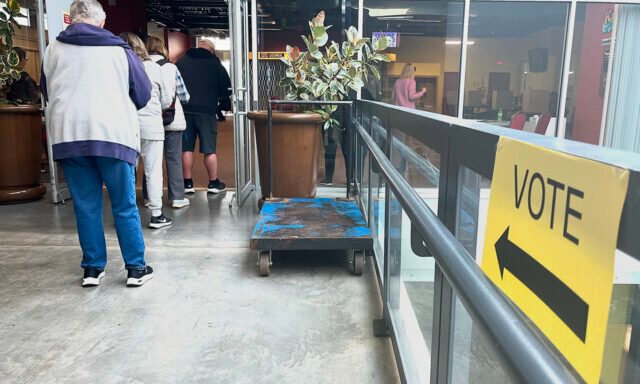
Controversy and Media Shifts Reshaping Local Vote
Voter engagement in Kamloops could approach the 40 per cent mark in the upcoming civic election, according to former mayor Terry Lake. Following four years of friction at city hall, Lake believes the heightened public attention may motivate more residents to participate than in recent municipal races.
Initial turnout figures for 2022 sat at 29 per cent, later updated to 30 per cent by CivicInfo BC. That matched the 30 per cent participation recorded in 2018, while 2014 saw nearly 35 per cent of voters head to the polls. Participation stood significantly higher during Lake’s election win in 2005, when 44.5 per cent of eligible voters cast ballots—a contrast to the 30-something range seen over the next five municipal cycles.
Lake noted encouraging signs during advance voting on Oct. 7 at Heritage House. “That bodes well for the likelihood of having a higher overall turnout this time around,” he said, adding that turnout in the 40 per cent neighborhood would not surprise him given the recent atmosphere surrounding city hall.
Media Landscape and Provincial Comparisons
Reflecting on broader trends, Lake pointed to changes in local news coverage as a potential factor in declining voter participation over time. Before 2010, the city was served by two newspapers alongside television and radio outlets. Today, many residents rely on curated social media feeds for local news, which Lake suggested can lead to reduced engagement.
Civic turnout in Kamloops mirrors broader B.C. municipal averages, remaining far below participation rates in provincial and federal elections. The 2024 provincial election drew between 57 and 61 per cent of the local electorate, while roughly 70 per cent voted in the 2025 federal election.
Terry Kading, a political science professor at Thompson Rivers University, attributed lower municipal turnouts partly to accessibility. Because local council holds regular public meetings and remains visible in the community, residents may feel less pressure to vote compared to federal or provincial elections, where government feels more distant. Kading also observed that online voting dramatically boosted turnout in Ontario municipalities, though Lake noted there is no single solution for driving civic participation.
To send a tip or ask about advertising, write to [email protected] or call 250-317-5888.