
BC Stories
Will David Eby’s Early Election Call Deliver Results or Backfire?
By Current Editor
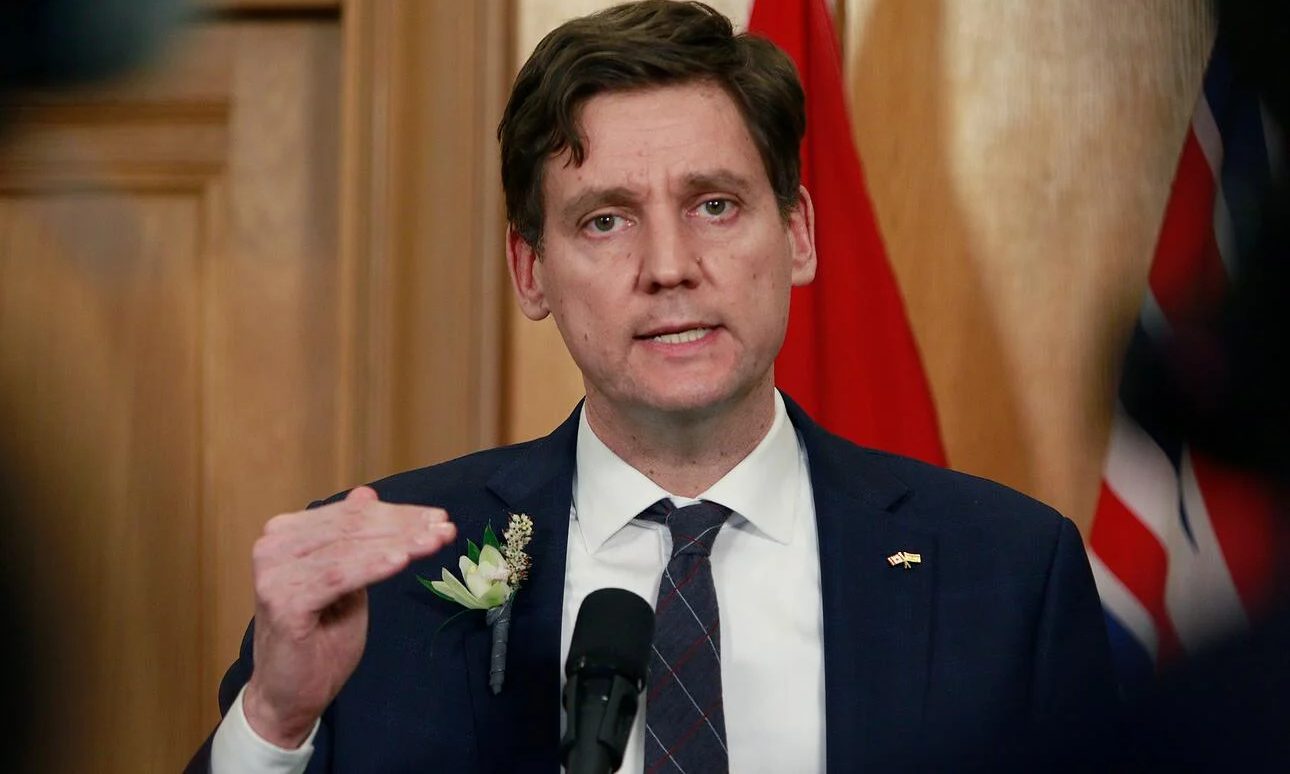
A High-Stakes Gamble on the Ice and in the Polls
During an October campaign stop at the Victoria Curling Club, B.C. NDP Leader David Eby joined candidate Richard Zussman to sweep stones across the sheet. The lighthearted moment comes at a tense period for the premier, who called a provincial election for Oct. 24—less than two years into his current mandate.
Eby triggered the snap vote on Sept. 22, shortly after the B.C. Conservatives appointed interim leader Lorne Doerkson following Kerry-Lynne Findlay’s resignation. Doerkson quickly brought back several MLAs who had briefly defected to CentreBC, stabilizing his party’s caucus. Despite recent polls showing the NDP behind the Conservatives, Eby defended his timing, stating his focus was on ensuring a functioning legislature and elected members who advocate for local priorities.
Reflecting on a Career Built on Risk
Eby has a long history of taking political risks. In 2011, he ran as a 33-year-old against former premier Christy Clark, narrowly losing before defeating her in a 2013 rematch. He later stepped back from a potential party leadership run when his wife, Cailey Lynch, became pregnant with their first child. The couple now has three children. Eby went on to manage prominent cabinet portfolios under late premier John Horgan before assuming the premier’s office in 2022.
Former law school friend Megan Leslie recalled Eby’s early activism, noting he co-founded the Social Activist Law Student Association at Dalhousie University, played in local bands, and joined Vancouver’s Pivot Legal Society and the B.C. Civil Liberties Association. Former colleagues described him as a driven advocate with strong leadership energy.
Critics Question Past Results and Future Outcomes
Former B.C. Liberal cabinet minister Mike de Jong warned that calling an early election while holding a one-seat majority could be viewed as tactical self-interest. He suggested that if the NDP loses, the decision could be seen as a major political mistake. Clark also offered a critical view, arguing that while Eby remains a formidable campaign opponent, he faces challenges in delivering policy results, highlighting the province’s projected $14-billion deficit.
When asked if he would remain party leader in the event of an election defeat, Eby refrained from giving a definitive answer, expressing confidence in British Columbia voters to determine the province’s path on election day.
To send a tip or ask about advertising, write to [email protected] or call 250-317-5888.