LOCAL
Year-End Deluge: North Coast B.C. and Haida Gwaii Braced for Continued Flooding
British Columbia’s North Coast and Haida Gwaii face a prolonged flood watch as 2025 ends with record rainfall, straining infrastructure and local emergency services.


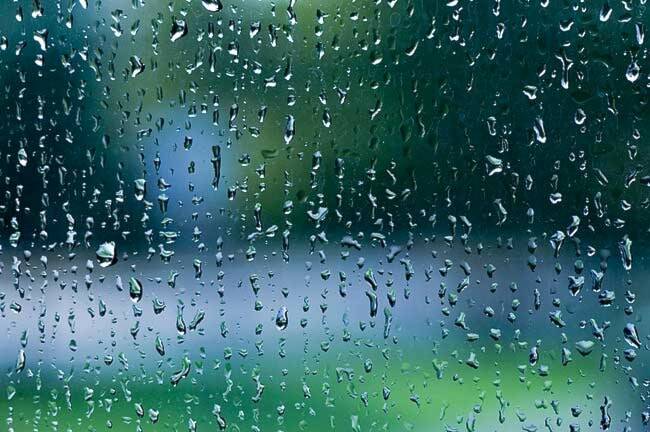
The Relentless Storms of Late 2025
The final days of 2025 have proven to be some of the most challenging for the communities dotting British Columbia’s rugged North Coast and the expansive wilderness of Haida Gwaii. While much of the province typically looks toward the new year with reflections on the past, residents here are focused on the immediate threat posed by a series of potent atmospheric rivers that have stalled over the region. What began as a standard seasonal shift into the rainy months has escalated into a prolonged hydrological event, forcing provincial authorities to maintain a high-level flood watch that has now stretched into its second week. The sheer persistence of the weather systems has transformed the landscape, turning small creeks into rushing torrents and saturating the soil to the point of instability.
Hydrological Warnings and Geographic Impact
The British Columbia River Forecast Centre has remained steadfast in its assessment, keeping flood watches active for the North Coast, including areas around Prince Rupert, Kitimat, and the Nass Valley, as well as the entirety of Haida Gwaii. Meteorologists note that the sheer volume of water falling on already saturated ground has created a precarious situation. In some higher elevations, the combination of heavy rain and unseasonably warm temperatures has triggered a rain-on-snow effect, where melting snowpacks contribute additional runoff into river systems that are already at or near capacity. For the communities of Skidegate and Masset on Haida Gwaii, the pounding surf combined with high tides has added the risk of coastal erosion and localized flooding in low-lying residential areas to the growing list of concerns. Experts suggest that the cumulative rainfall totals for the month of December are on track to break decadal records, further complicating the recovery efforts for local municipalities.
Infrastructure and Community Resilience
Local infrastructure is being tested to its limits as the region grapples with the environmental onslaught. Maintenance crews have been working around the clock to clear debris from culverts and ensure that drainage systems remain functional despite the overwhelming inflow. Highway 16, the primary artery connecting the coast to the interior, has seen several localized washouts, leading to temporary closures and pilot-car operations that have slowed the movement of goods and services. For many in the region, the isolation is a familiar part of life, but the frequency and intensity of these weather events are beginning to strain even the most resilient emergency response frameworks. Local officials have issued advisories urging residents to avoid riverbanks and stay updated via local radio and digital emergency alerts, as conditions can change in a matter of minutes. Emergency centers have been put on standby, and sandbagging stations have seen steady traffic as homeowners attempt to divert water away from their foundations.
Looking Back at a Year of Environmental Extremes
As 2025 winds down, this current deluge serves as a capstone to a year defined by meteorological volatility across the Pacific Northwest. From the record-breaking heatwaves of the summer to the early onset of autumn storms, the North Coast has been at the front lines of shifting climate patterns. Environmental scientists suggest that the warming of the Pacific Ocean has significantly increased the moisture-carrying capacity of these atmospheric rivers, leading to the types of extreme precipitation events currently being witnessed. The persistence of the flood watch into the final hours of the year highlights the growing necessity for long-term investments in flood mitigation and climate-adaptive infrastructure for remote coastal communities. Public discourse is increasingly shifting toward how these towns can remain viable as the frequency of such 1-in-100-year events seems to increase with every passing season.
The Outlook for the New Year
Looking ahead into the first week of 2026, there appears to be little reprieve on the horizon for the waterlogged residents of the North Coast. Short-term forecasts indicate at least two more significant weather systems are tracking toward the coast before the jet stream is expected to shift significantly. While the intensity of the rainfall may fluctuate, the cumulative impact of the previous weeks ensures that the flood risk will remain elevated well into January. Hydrologists are monitoring the peaks of the Skeena and Nass Rivers with particular concern, as any further surges could lead to significant overtopping. For now, the people of the North Coast and Haida Gwaii remain on high alert, demonstrating the same strength and community spirit that has seen them through countless storms before, even as they navigate one of the wettest and most turbulent year-ends in recent memory.