Astronomy
Celestial Fireworks: Venus Disappears Behind the Moon in Rare June Lunar Occultation
Discover June’s top astronomical events, including a rare Venus lunar occultation, the summer solstice, and a spectacular planetary conjunction in the night sky.

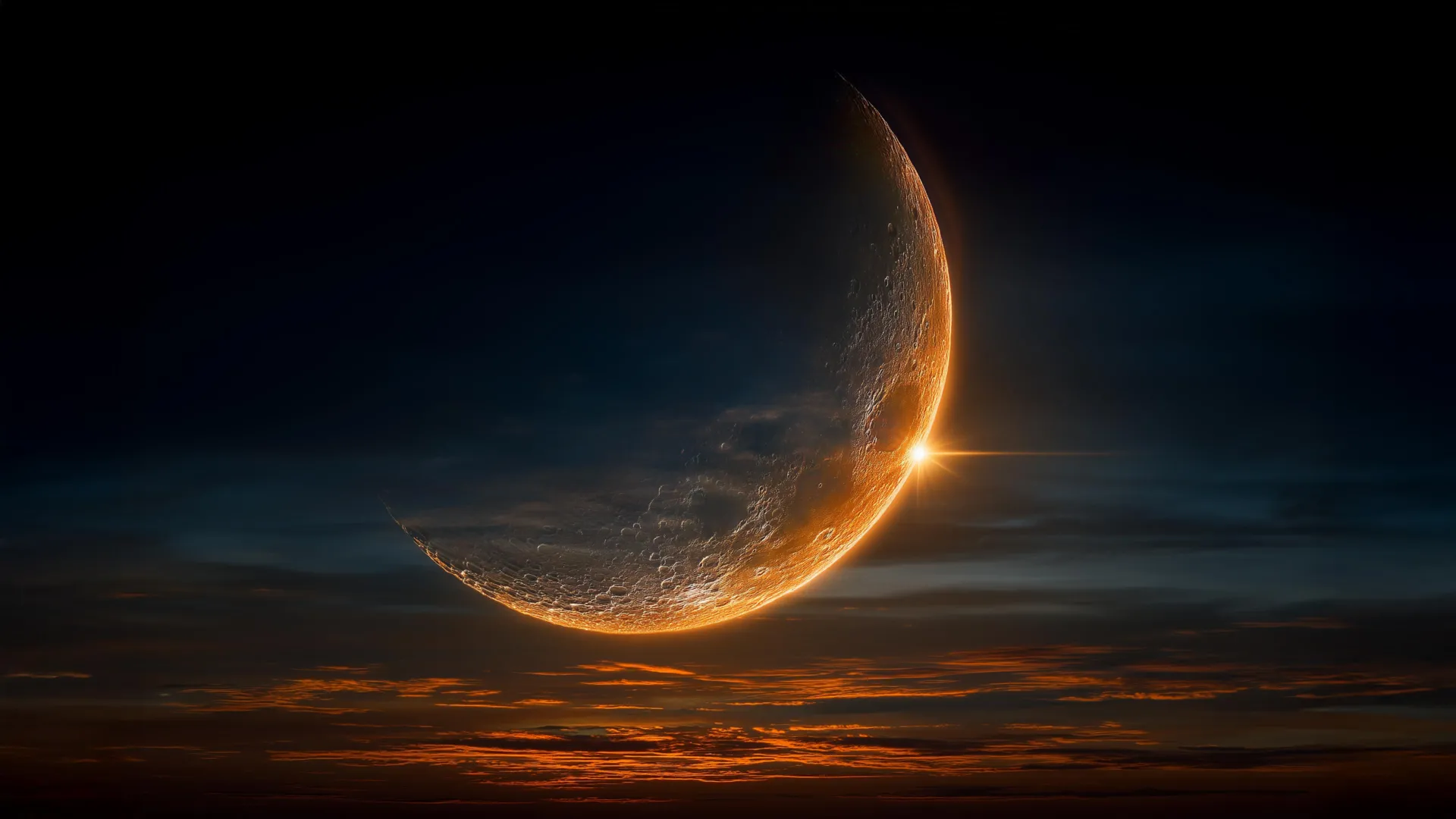
A Rare Celestial Disappearance
Stargazers are in for a rare treat this June as Venus, the brightest planet in our night sky, is set to perform a dramatic vanishing act. On June 17, observers in specific regions of North and South America will witness a lunar occultation, a phenomenon where the Moon passes directly in front of Venus. This event effectively hides the planet from view before it re-emerges on the opposite side of the lunar disk, providing a unique opportunity to witness the celestial mechanics of our solar system in real-time.
The Planetary Parade
The occultation is only one part of a busy month for astronomical events. The first half of June features a stunning planetary conjunction between Venus and Jupiter. By June 9, these two ‘evening stars’ will appear remarkably close in the western sky. While they remain millions of miles apart in reality, their alignment along the ecliptic path makes them appear as a brilliant pair from our terrestrial vantage point. Between June 11 and 15, the elusive Mercury will join the duo, creating a triple-planet lineup low on the horizon just after sunset.
Welcoming the Summer Solstice
June also marks a pivotal point in Earth’s orbit: the summer solstice. Occurring on June 21 at 1:24 a.m. PT, the solstice signals the official start of astronomical summer in the Northern Hemisphere. This day provides the maximum amount of daylight for the year. Interestingly, while it is the longest day, it does not always align with the earliest sunrise or latest sunset due to the tilt and elliptical orbit of the Earth, a quirk of orbital mechanics that varies by latitude.
Deep-Sky Treasures Emerge
As the month progresses and the ‘Summer Triangle’—comprised of the stars Vega, Altair, and Deneb—rises into view, deep-sky observers can turn their attention to more distant wonders. This region of the Milky Way is home to iconic targets like the Dumbbell Nebula and the Ring Nebula. The Dumbbell Nebula, or Messier 27, was the first planetary nebula ever discovered and represents the glowing remains of a dying star. Whether you are watching a planet vanish behind the Moon or peering into the depths of a nebula, June offers a wealth of reasons to look up.

The End of an Era: CBC to Stop Airing NHL Games as ‘Hockey Night in Canada’ Leaves Free TV
Mark Carney Hails U.S.-Iran Framework as ‘Game Changer’ for Global Stability
Rory McIlroy Warns Against ‘Track 2’ Demotion for Historic Canadian Open
FBI Thwarts Explosive Drone Plot Targeting UFC Event at White House
New Era for Indigenous Rights? Liberals Unveil Revamped Clean Water Legislation
Tragedy at Skeleton Bridge: Brazilian Authorities Investigate Fatal Rope Jump Error

Opinion: John Rustad Has to Go

B.C. Supreme Court Grants Cowichan Tribes Title to Historic Richmond Lands and Fishing Rights

Vancouver Canucks Gear Up for a Make-or-Break 2025–26 Season

Province to Appeal Cowichan Tribes Land Decision

Kamloops Prepares Four Reverse Referendums on $188M in Major Projects

Kamloops Blazers Announce Off-Season Changes Ahead of 2025–26 Season
-
POLITICS2 weeks ago
New Global Trade War: Trump Administration Targets Canada and EU with Fresh Tariffs Over Forced Labor Claims
-
POLITICS2 weeks ago
Canada Unveils Massive $2B National AI Strategy to Secure Digital Sovereignty
-
Music News2 weeks ago
Céline Dion and Music Icons Mourn the Loss of Ballad Legend Peabo Bryson at 75
-
Crime2 weeks ago
Victim Identified in Fatal Surrey Shooting: IHIT Probes Potential Links to Organized Crime
-
British Columbia2 weeks ago
Community Mourns as Recovery Operations Conclude for Paddleboarders in B.C. Lake
-

 OPINIONS2 weeks ago
Kerry-Lynne Findlay Won the Leadership. Now She Has to Win British Columbia.
-
media2 weeks ago
CBS News Ousts Scott Pelley After Explosive Confrontation with New Executive Producer
-
National News1 week ago
Canada to Ban Social Media for Minors Under 16 as Carney Government Unveils Online Safety Bill