NATIONAL STORIES
How Proposed Airport Changes Could Impact Traveller Costs in Major Cities
NDP Leader Avi Lewis warns Ottawa’s plan for private investment in major Canadian airports could raise fees, while the government defends the initiative.

Federal Airport Proposal Draws Criticism Over Potential Fee Hikes
Federal revenue from Canada’s airports currently reaches $525 million each year, funds that NDP transport critic Heather McPherson suggests could be redirected to help regional hubs. The debate comes as the federal government proposes allowing private investors to bid on operational stakes at the country’s four largest airports in Vancouver, Calgary, Toronto, and Montreal.
Government officials state that revenue generated from investor contracts could be funneled into smaller regional airports to lower local fees. Under the federal framework, Ottawa would maintain ownership of the land and enforce existing safety regulations across all facilities.
NDP Warns of Long-Term Investor Control
Speaking outside the House of Commons alongside caucus members and labour representatives, NDP Leader Avi Lewis rejected the government’s characterization of the initiative. He called it disingenuous to label the policy as anything other than privatization, arguing that placing public assets under investor management for decades will likely drive up costs for travellers at the four major hubs.


NATIONAL STORIES
Ottawa’s Proposed Labour Rules Will Evaluate Strike Interventions Case by Case
Jobs Minister Patty Hajdu says the proposed Building Canada Strong Act requires a high national interest bar to end strikes under the Canada Labour Code.
High Bar Set for Federal Intervention in Labour Disputes
The federal government will assess labour disruptions on an individual basis rather than setting fixed timelines to halt walkouts under newly introduced legislation, according to Jobs Minister Patty Hajdu.
Tabled on Monday, the proposed Building Canada Strong Act mandates that a work stoppage must hit the “national interest” before Section 107 of the Canada Labour Code can be triggered. That existing provision allows the federal jobs minister to direct deadlocked unions and employers to the Canada Industrial Relations Board to declare an impasse, end the dispute, and mandate binding arbitration.
Economic Impact and Sector Risks
Hajdu noted that establishing a national interest represents a high bar, making a standardized response impossible across different industries. While acknowledging that work stoppages are designed to exert economic pressure, she observed that such impacts can rapidly escalate in sectors like transportation where perishable cargo is endangered.
Federal officials have previously invoked Section 107 to end walkouts at Canada Post, the CN and CPKC rail lines, and ports in British Columbia and Montreal. Flight attendants at Air Canada defied an attempt to utilize the mechanism during a 2025 strike.
Proposed Reforms Aim to Prevent Impasses
To reduce future disputes, the legislation introduces a special mediator tasked with publishing a report detailing each side’s stance during a deadlock. Additionally, it requires federal mediation services to conduct pre-emptive relationship repairs for parties with a history of acrimony, aiming to boost transparency and minimize conflict.
The Canadian Labour Congress expressed concern that modifying Section 107 will diminish worker leverage during collective bargaining. The organization scheduled a press conference for Tuesday to present its response.
NATIONAL STORIES
Why Global Trade Shifts Are Driving Record Export Numbers Through Vancouver
Surging grain and crude oil shipments drove record cargo handling at the Port of Vancouver in the first half of 2026 amid a broader trade pivot away from the U.S.
Record Mid-Year Cargo Performance
Overall freight handling at the Port of Vancouver grew by three per cent year-over-year during the first six months of 2026, ending June 30. Surging shipments of agricultural products and crude oil propelled overall cargo totals to record levels at the facility.
Breakdown of Commodity Growth
Bulk grain exports experienced a 14 per cent increase compared to the previous year, reaching an unprecedented 17.4 million tonnes. Over the same six-month window, crude oil shipments climbed three per cent to hit a record 12 million tonnes. Additionally, auto import and export volumes expanded by 10 per cent year-over-year as automobile manufacturers turned toward non-U.S. destinations.
Pivot Toward Non-U.S. Markets
A substantial portion of these bulk shipments reached buyers in the Indo-Pacific region. European, Chinese, and Mexican buyers imported Canadian canola seed, while East Asian markets absorbed crude from Alberta. This trend reflects a broader strategic realignment away from American buyers amid heightened U.S. protectionism. U.S. destinations accounted for one-fifth of crude oil passing through Vancouver terminals in the first half of the year, down from one-third during the prior year.
Vancouver Fraser Port Authority CEO Peter Xotta stated an ambition to assist Canada in doubling its export trade to non-U.S. international markets within ten years.
NATIONAL STORIES
Why B.C. Is Taking OpenAI to a California Court Over the Tumbler Ridge Shooting
B.C. files a lawsuit in California against OpenAI, alleging the company failed to alert police to ChatGPT threat logs before the Tumbler Ridge shooting.
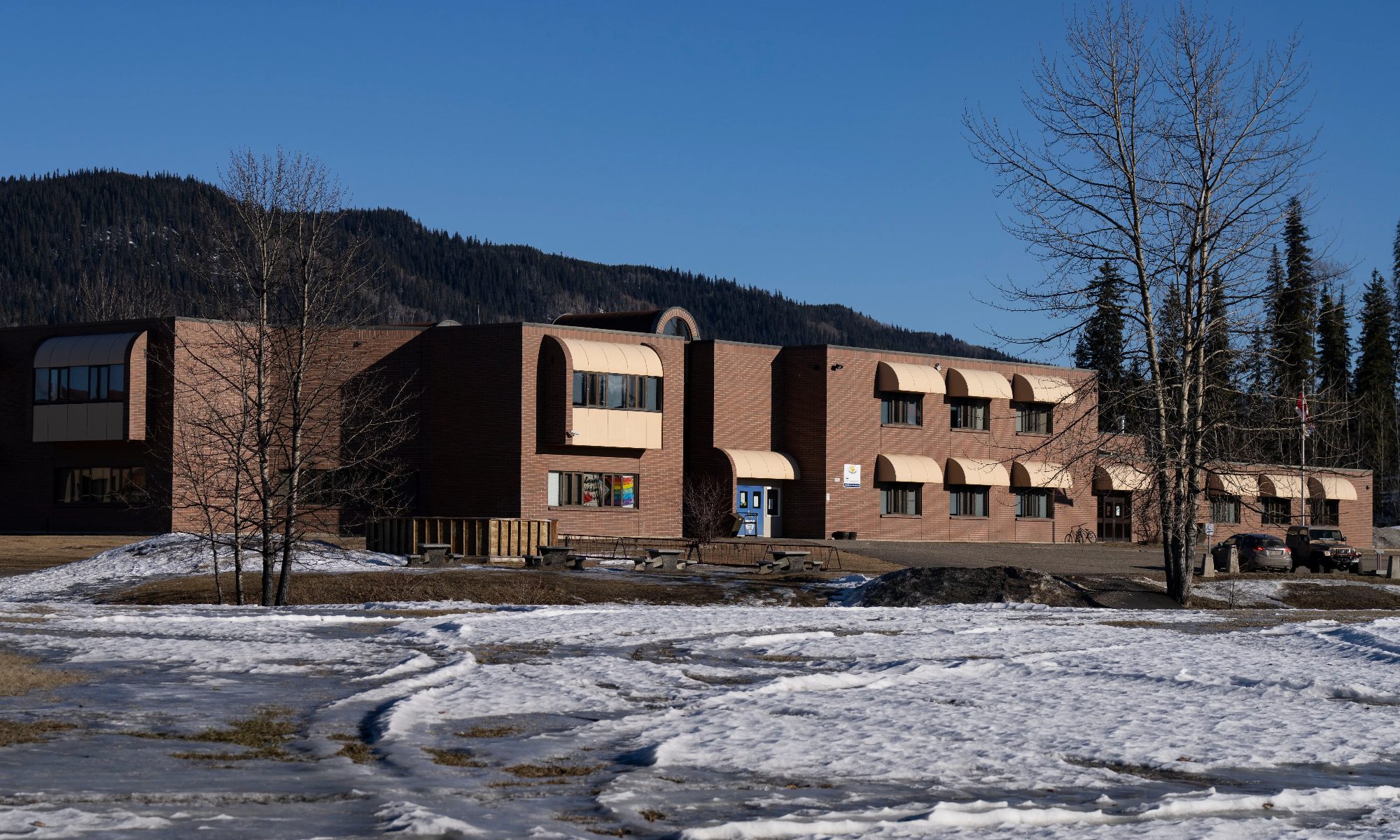
Legal Action Filed in San Francisco
The British Columbia government has initiated legal proceedings against OpenAI, its foundation, and CEO Samuel Altman in the U.S. District Court for the Northern District of California. Filed on Monday, Sept. 21, the lawsuit seeks a jury trial in San Francisco following the Feb. 10 mass shooting at Tumbler Ridge Secondary School and a local residence, which left eight people dead, including six children. The 18-year-old shooter, Jesse Van Rootselaar, died from a self-inflicted wound.
Failure to Warn Law Enforcement Alleged
According to B.C. Attorney General Niki Sharma, the claim alleges that OpenAI failed to notify law enforcement about credible violent threats flagged on its platform prior to the tragedy. OpenAI employees had previously conducted an internal review after ChatGPT flagged concerning interactions involving gun scenarios with Van Rootselaar. However, the company dismissed the threat and did not notify the RCMP until after the attack occurred. Sharma stated that OpenAI has since refused requests to disclose those chat transcripts.
Focus on Rebuilding and Legislative Reform
Beyond seeking corporate accountability for software safety, the provincial government aims to secure funds to help rebuild the affected community, including constructing a replacement for Tumbler Ridge Secondary School. The suit in California joins 37 existing claims filed against the AI firm by victims, educators, and families. Meanwhile, Sharma has urged federal ministers to update Canada’s Criminal Code, arguing that current legal frameworks have failed to keep pace with artificial intelligence risks.
Why Hockey Fans in Alberta Can Look Forward to the 2027 World Juniors Schedule
How Proposed Airport Changes Could Impact Traveller Costs in Major Cities
Ottawa’s Proposed Labour Rules Will Evaluate Strike Interventions Case by Case
Your Current 3 Day Forecast — September 22, 2026
Why Global Trade Shifts Are Driving Record Export Numbers Through Vancouver

Unsolved 2017 Slaying of Red Scorpions Founder Continues to Impact Kamloops Criminal Underworld

Opinion: John Rustad Has to Go

B.C. Supreme Court Grants Cowichan Tribes Title to Historic Richmond Lands and Fishing Rights

Vancouver Canucks Gear Up for a Make-or-Break 2025–26 Season

Province to Appeal Cowichan Tribes Land Decision

Kamloops Prepares Four Reverse Referendums on $188M in Major Projects

Kamloops Blazers Announce Off-Season Changes Ahead of 2025–26 Season
-
SPORTS6 days ago
Tigers Roll Past Blue Jays 10-1 Behind Strong Outing From Anderson and Torkelson’s Big Night
-

 LOCAL6 days ago
What to Expect at Sandman Centre as Kamloops Blazers Outline New Fan Promotions and Local Programs
-
BC STORIES6 days ago
Extortion Gang Threatens Canadian Officials and Communities as Police Probe Reveals Widespread Tactics
-
BC STORIES6 days ago
How International Investment Promotion Could Bring Jobs to BC
-
SPORTS6 days ago
Toronto Blue Jays Wild-Card Standings: 10-1 Loss to Tigers Drops Team in AL Playoff Chase
-
LOCAL7 days ago
What Local Byelection Candidates Are Promising on Healthcare, Schools, and Reconciliation
-
BC STORIES7 days ago
Travelers will See Expanded Regional Flights in BC as Harbour Air Moves to Buy Pacific Coastal
-
BC STORIES6 days ago
Shrinking Job Market and Rising Deficit Mark B.C.’s Latest Financial Update