NATIONAL STORIES
Major Ontario Energy and AI Projects Lead Pitch at Landmark Investment Summit
Ontario Premier Doug Ford promotes 15 major provincial projects at Canada’s first investment summit in Toronto as demonstrators plan Monday protests.

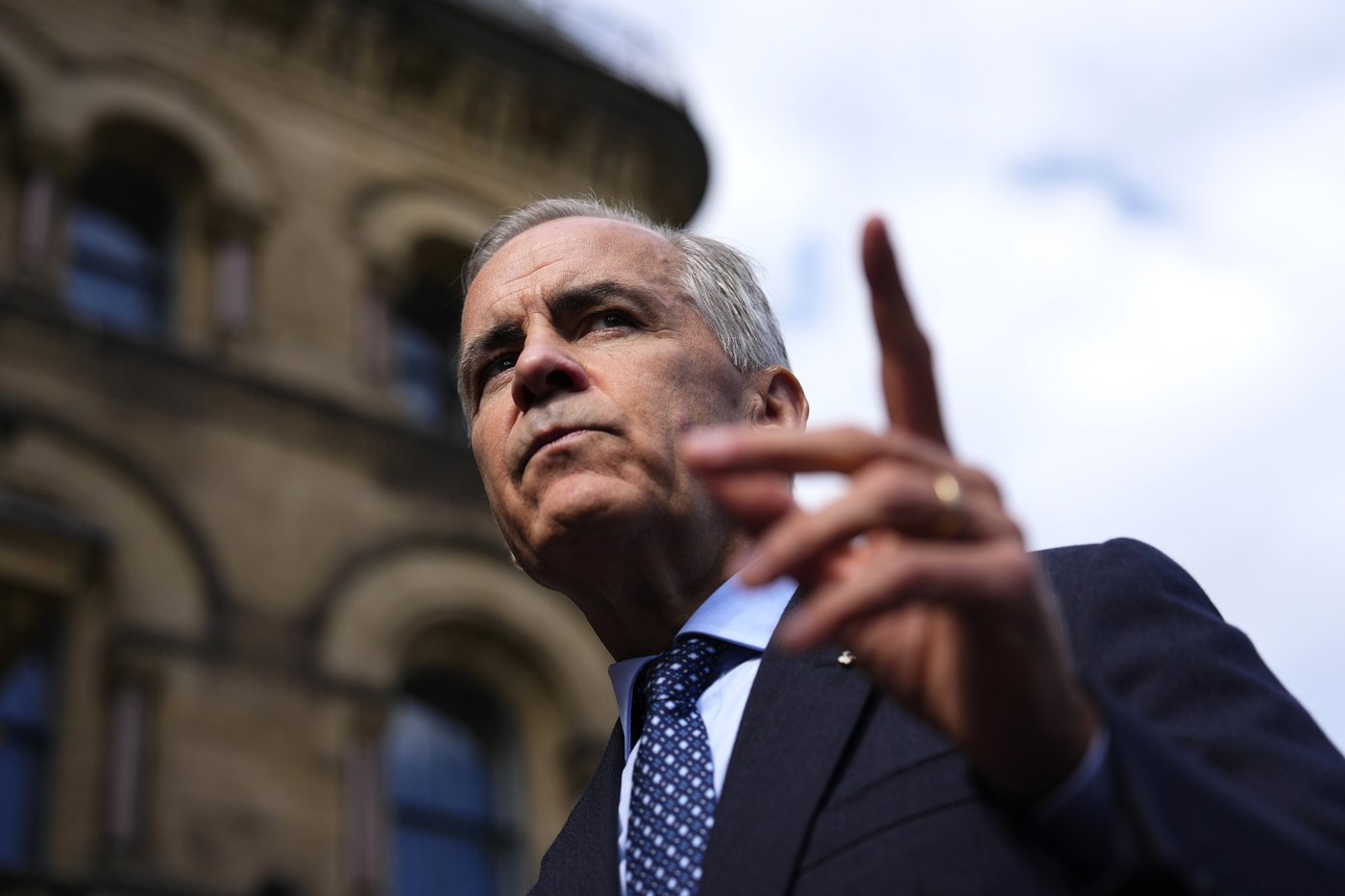
Ontario Promotes 15 Major Projects to International Investors
Ontario Premier Doug Ford is showcasing 15 significant provincial projects to international executives and asset managers during Canada’s inaugural investment summit in Toronto. The pitch covers key sectors including critical minerals and mining, artificial intelligence, energy production and transmission, and advanced manufacturing.
Ford stated that attendees at the gathering represent countries such as Australia, Japan, Kuwait, Malaysia, Singapore, Qatar, Norway, and the Netherlands. “This is about building relationships, opening doors and making the case that Ontario is one of the most investable places anywhere in the world,” Ford declared in a media statement, adding that Ontario plans to demonstrate its ability to compete globally throughout the event.
National $1 Trillion Goal and Opening Remarks
The summit forms a central pillar of Mark Carney’s Strategy to draw $1 trillion in total investment into Canada over a five-year period. Hundreds of global executives are gathering to review Canadian development projects in various stages of progress. The event formally begins Sunday evening, featuring brief opening remarks from the prime minister at a welcome reception.
Demonstrations and Direct Interventions Scheduled
Alongside the business proceedings, activist groups have scheduled demonstrations targeting the event. On Monday, a coalition comprising labour unions, Indigenous leaders, and advocates for climate and housing issues plans to assemble under a banner reading “The Many vs. The Money.”
Organizers of the protest intend to conduct direct interventions with summit participants. Demonstrators stated they oppose placing Canada’s economic trajectory under the direction of corporate executives, voicing concerns regarding pipelines, arms manufacturing, and the future of public services.









NATIONAL STORIES
Uncovering Nanaimo’s Hidden Cold War Bunker and its Surprising Capital History
Discover the history of the Nanaimo Diefenbunker, a Cold War underground shelter built for B.C. leaders, now featured in a local museum exhibit.
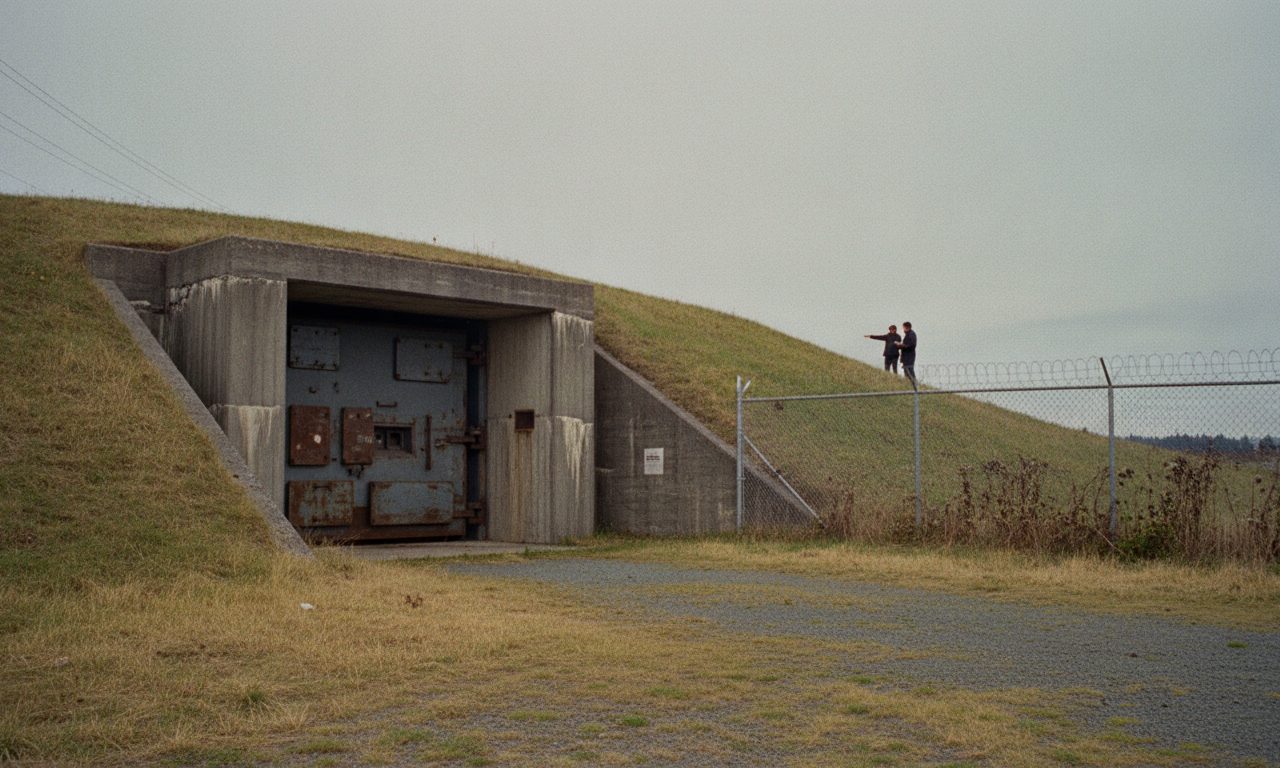
Cold War Exercise Temporarily Shifted Government to Nanaimo
On May 3, 1960, a simulated nuclear strike on Esquimalt Harbour triggered a 17-car convoy carrying Premier W.A.C. Bennett, provincial secretary Wesley Black, and roughly 100 public servants away from Victoria. Their destination was an underground shelter in Nanaimo designed to temporarily serve as the province’s government and communications center during an emergency.
An Underground Hub Built for Survival
Constructed starting in 1961, the 61,000-square-foot Nanaimo Diefenbunker was built into a grassy hill near present-day Vancouver Island University and the Nanaimo Parkway. Designed to house around 400 key military and government personnel for up to six weeks, the two-story structure featured a 1.3-metre solid concrete roof. Inside, it contained private offices, a war room, medical facilities, a radiation decontamination zone, a food supply, and a CBC studio. Former Royal Canadian Air Force Captain Roger Bird noted that the location was chosen for its distance from major urban centers and favorable wind patterns that carried potential nuclear fallout away from Nanaimo.
Decommissioning and Public Memory Efforts
With the conclusion of the Cold War, maintenance costs forced the facility’s shutdown in the mid-1990s. Before its doors were welded shut, items such as furniture, radio equipment, and generators were stripped; in 2001, 75 remaining cots were donated to the Cowichan Valley Emergency Program. Today, local historians are working to inform the public about the site’s past. Carina Nilsson, general manager of the Vancouver Island Military Museum, will lead a free lecture titled “Decoding the Nanaimo Diefenbunker” at 7 p.m. Thursday at the Bowen Park Complex, covering the structure’s construction, Cold War nuclear anxiety, and local anti-nuclear protests. The museum has also launched a dedicated exhibit featuring archival CBC footage, photos, and historical artifacts.
HEALTH
Why Emergency Rooms Across Canada Are Facing New Strains From Street Drug Additives
Canadian emergency physicians warn that medetomidine, a veterinary sedative found in illicit fentanyl, is creating complex overdoses and ER overcrowding.

Novel Drug Additive Creates Severe Hospital Strains
Emergency medical personnel across Canada are confronting heightened difficulties as medetomidine, a potent veterinary sedative, is increasingly mixed into illicit fentanyl. First identified in British Columbia, Ontario, and Quebec in 2023, the substance has spread to the Maritimes and experienced sharp rises in Saskatchewan and Yukon during 2025. Addiction medicine specialist Dr. Monty Ghosh noted that the compound alters patient care protocols by inducing deep drowsiness alongside prolonged drops in heart rate and blood pressure, restricting oxygen and blood supply to vital organs.
Complex Withdrawal Complications
Patients experiencing medetomidine withdrawal require intensive medical monitoring for severe symptoms including severe hypertension, elevated heart rate, agitated delirium, vomiting, and organ damage. Toronto emergency physician Dr. Sahil Gupta explained that these complex cases demand extended care, specialized medications, or mechanical ventilation, exacerbating emergency room overcrowding and lengthening wait times. Meanwhile, front-line nurses in B.C. and Montreal report prolonged patient unresponsiveness that requires continuous vital sign tracking.
Community Programs and Safe Consumption Debate
To reduce repeated emergency visits, Edmonton’s Bridge Healing initiative connects unhoused hospital patients to free housing and clinical care, according to Dr. Louis Hugo Francescutti. Concurrently, physicians such as Dr. Raghu Venugopal argue that supervised consumption facilities are critical to manage overdoses without overwhelming emergency wards, citing research indicating that site closures push comatose patients directly into hospital settings. Responding to the medical community’s concerns, an Ontario Health Ministry spokesperson stated the province is investing $560 million into 29 Homeless and Addictions Recovery Treatment (HART) Hubs to deliver recovery supports rather than injection sites.
BC STORIES
Highland Valley Copper Strike Escalates as BC Federation of Labour Issues Hot Edict
BCFED has issued a hot edict urging unions not to handle Highland Valley Copper products as the USW strike against Teck Resources near Logan Lake escalates.
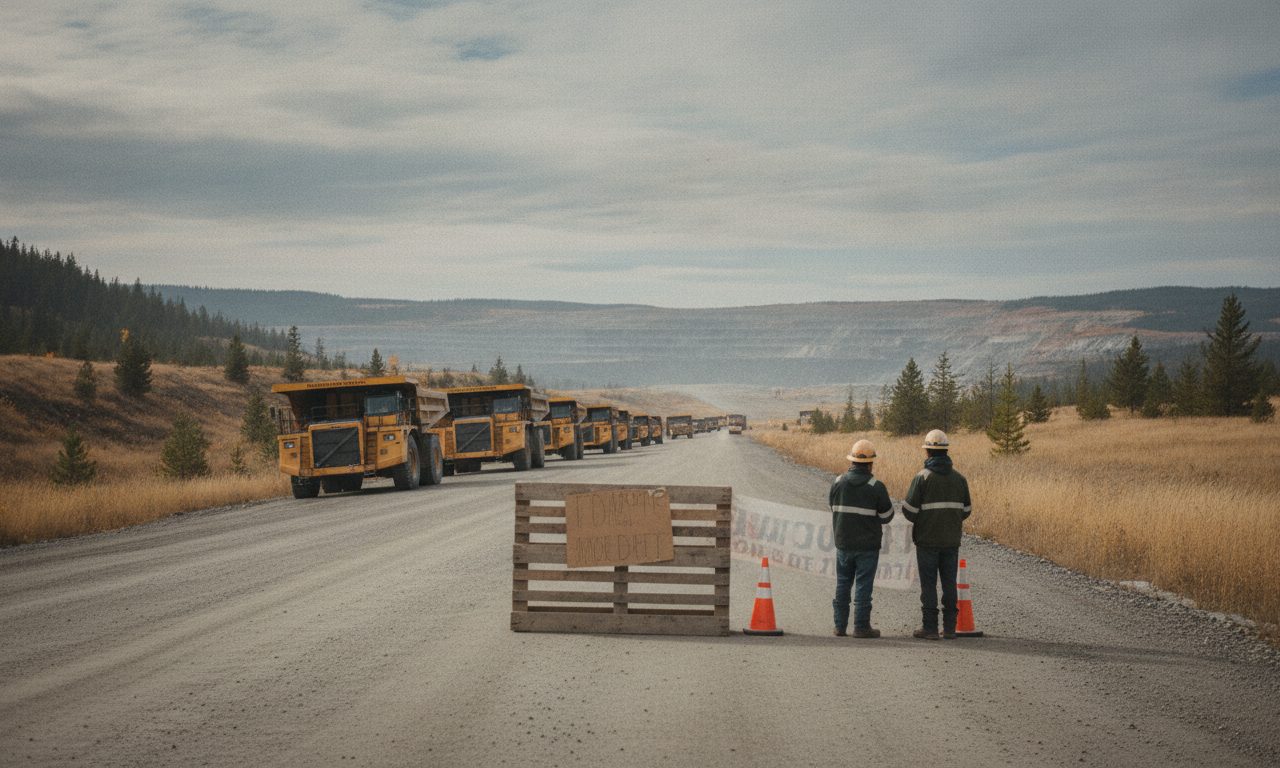
Labour Federation Directs Union Members to Block Mine Products
In response to an ongoing strike at Canada’s largest open-pit copper mine, the BC Federation of Labour has directed affiliated unions and members to cease handling mineral products and by-products tied to Highland Valley Copper. The hot edict, announced by the central labour organization, specifically targets copper and molybdenum concentrates from the Logan Lake area site to apply financial pressure on owner Teck Resources.
BCFED President Sussanne Skidmore described the move as an extraordinary measure, stating that the employer appears to believe it can outlast striking workers and bypass both the dispute and provincial anti-scab legislation. Over 1,200 workers represented by United Steelworkers Local 7619 have been on strike since walking off the job on Oct. 24. Union members voted unanimously to strike two weeks after their previous five-year agreement expired on Sept. 30.
Dispute Focuses on Wages, Safety, and Working Conditions
The striking employees are seeking improvements in compensation, pension protections, and workplace health and safety. Additionally, USW Local 7619 is calling on Teck Resources to address challenges related to recruiting and keeping skilled staff at the operation. Scott Lunny, Western Canada Director for the United Steelworkers, pointed to the company’s recent financial results, criticizing Teck for seeking concessions while reporting strong profits rather than meeting wage and pension demands.
Teck Reports Higher Profits Amid Ongoing Mine Expansion
Despite the labour stoppage, Teck Resources indicated during its third-quarter conference call that annual production at the mine is anticipated to reach the upper end of its target. Driven by elevated copper and zinc prices, the company reported third-quarter profit attributable to shareholders of $1.59 billion, or $3.24 per diluted share, an increase from $281 million, or 57 cents per diluted share, during the same period last year.
Teck stated it has implemented contingency measures and noted that the strike’s impact on overall output will depend on its duration. The company expressed its commitment to reaching a fair and reasonable collective agreement that maintains operational viability. A major expansion project is currently underway at the site near Logan Lake to extend the mine’s lifespan from 2028 to 2046.
Your Current 3 Day Forecast — November 15, 2026
Your Current 3 Day Forecast — November 14, 2026

What to Know as Severe Rainfall Warnings and Flooding Hit Vancouver Island Communities
Your Current 3 Day Forecast — November 13, 2026
Your Current 3 Day Forecast — November 12, 2026
McDavid Reaches Point Milestone as Oilers Edged Flyers in Overtime Thriller

Opinion: John Rustad Has to Go

B.C. Supreme Court Grants Cowichan Tribes Title to Historic Richmond Lands and Fishing Rights

Vancouver Canucks Gear Up for a Make-or-Break 2025–26 Season

Province to Appeal Cowichan Tribes Land Decision

Kamloops Blazers Announce Off-Season Changes Ahead of 2025–26 Season

Kamloops Prepares Four Reverse Referendums on $188M in Major Projects
-

 LOCAL6 days ago
How Federal Billions to Combat Homelessness Could Impact Housing Projects in Kelowna
-
LOCAL4 days ago
Your Current 3 Day Forecast — November 11, 2026
-

 BC STORIES6 days ago
Okanagan Falls begins a new chapter with the historic swearing-in of its first mayor and council
-
 LOCAL5 days ago
Why Kamloops is weighing the quiet payoff of job-scarce data centres
-
 BC STORIES6 days ago
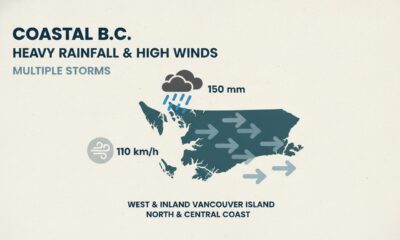
Coastal B.C. Faces Heavy Rainfall and High Winds in First of Multiple Storms
-

 BC STORIES5 days ago
BC Election Update: Conservatives Take Burnaby Seat as Final Vote Count Wraps Up
-
 BC STORIES4 days ago
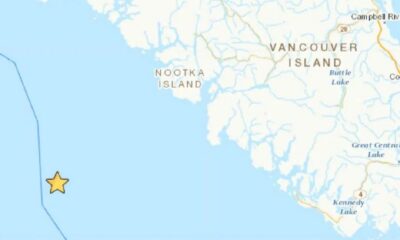
Why You Don’t Need to Worry About Tsunami Risks After Tuesday’s Island Earthquake
-
 BC STORIES6 days ago
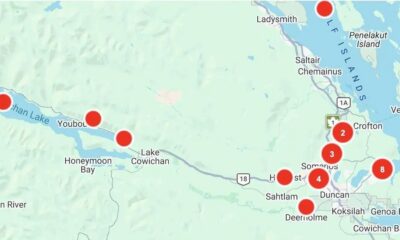
What to Know as Powerful Winds Cut Power to Thousands Across B.C.