POLITICS
Why the Conservative By-Election Appointment in Brantford-Brant South Is Drawing Local Pushback
The federal Conservative party faces criticism after appointing Brantford Mayor Kevin Davis as candidate for Brantford-Brant South without a nomination contest.

Local Mayor Chosen as By-Election Candidate Without Nomination Race
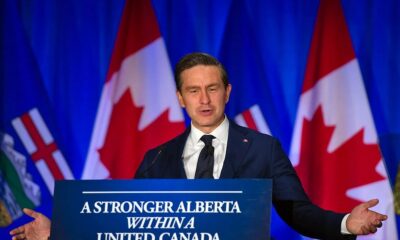
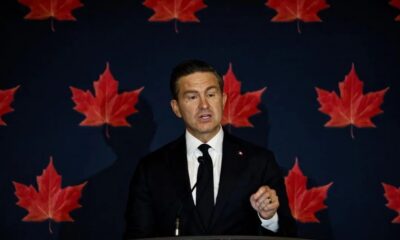
Brantford Mayor Kevin Davis has been named as the federal Conservative candidate for the upcoming Brantford-Brant South by-election. Party Leader Pierre Poilievre announced the decision during a Sunday rally, bypassing a traditional nomination contest and triggering criticism within the riding.
Disappointment Over Bypassed Process
The sudden appointment left local prospective candidates sidelined. Dave Carrol, a local pastor who intended to run for the nomination, voiced that he was “deeply disappointed” after learning over the weekend that no contest would take place. Carrol had secured backing from former MP Phil McColeman as well as former MP Larry Brock, whose return to his prior role as a Crown prosecutor left the seat vacant. A official date for the by-election has not yet been announced.
Party Cites Readiness and Rally Support
Addressing the decision, the Conservative party issued a statement explaining its aim to ensure a candidate was prepared to hit the ground running immediately. The party added that Davis received an “overwhelmingly endorsed” reception from the attendees present at Poilievre’s Sunday event.





BC STORIES
BC Election Update: Conservatives Take Burnaby Seat as Final Vote Count Wraps Up
The B.C. Conservatives reached 64 seats after flipping Burnaby South-Metrotown in the final vote count, while two other ridings head to judicial recounts.
Final Count Flips Burnaby Riding
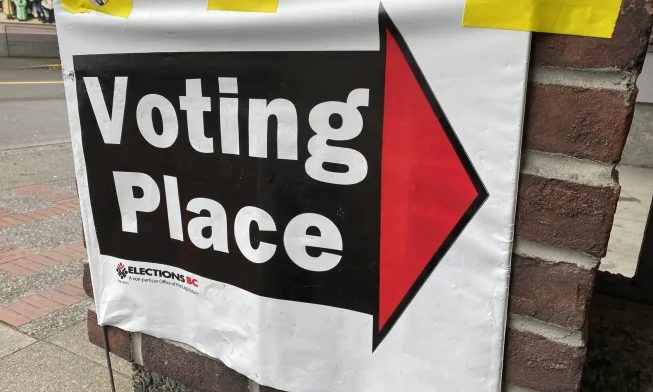
With all mail-in and absentee ballots processed, Elections B.C. reported the final vote tally across all 93 provincial ridings on Monday. The final figures give the B.C. Conservatives 64 seats, the NDP 27 seats, and the Greens 2 seats.
A narrow recount victory in Burnaby South-Metrotown delivered an additional seat to the Conservatives. Conservative candidate David Xie flipped the riding by defeating NDP incumbent Paul Choi by a margin of 64 votes.
Judicial Recounts Pending in Two Ridings
Automatic judicial recounts are set to take place in two other electoral districts where vote margins met the required threshold. In Kelowna-Centre, Conservative candidate Kristina Loewen holds a 43-vote lead over Loyal Wooldridge of the NDP.
Meanwhile, in Ladysmith-Oceanside, NDP incumbent Stephanie Higginson finished 50 votes ahead of Conservative challenger Kris McNichol. Applications for judicial recounts in these ridings must be submitted by the Nov. 16 deadline.
LOCAL
Why Kamloops is weighing the quiet payoff of job-scarce data centres
Kamloops council evaluates the costs and tax benefits of expanding local data centres, balancing minimal job creation against steady commercial tax revenue.
City Council Prepares for Strategy Review
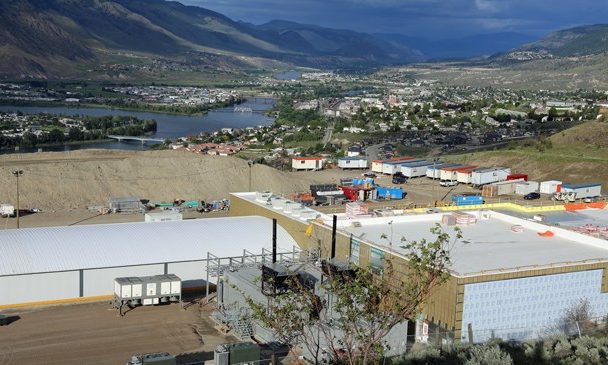
As Kamloops considers its future role in technology infrastructure, city staff are preparing a comprehensive report for council in the coming weeks. The document will examine how data centres impact the municipality and outline potential local regulatory options.
While the facilities generate criticism for employing very few people, supporters point to their minimal draw on local public infrastructure. Unlike major commercial or industrial hubs, data centres do not produce heavy traffic, require extensive waste management, or place demands on community hospitals and local roads. They bring in tax revenue without driving population growth or clogging municipal services.
Tax Contributions and Current Facilities
Kamloops currently hosts three data centres operated by Telus, Equinix, and Bell. According to city planning manager Stephen Bentley, those three operations pay an average of roughly $600,000 annually in property taxes. The municipal tax assessment applies to land value rather than internal computer equipment, putting data centres in the basic commercial property tax rate alongside retail stores and warehouses.
By comparison, Aberdeen Mall brings in a rough estimate of $1.4 million in commercial property taxes annually, while requiring extensive municipal services. The Trans-Mountain pipeline, the city’s second-highest individual taxpayer, contributes $2.8 million each year while similarly maintaining a low local employee count.
Political Debates and National AI Ambitions
Municipal leaders remain divided on the long-term benefit of approving further facilities. Mayor Mike O’Reilly previously suggested the city could become the “AI Capital of Canada” amid the global artificial intelligence boom. However, Coun. Katie Neustaeter noted that community members are raising clear concerns about the developments.
“When you hear from the community loud and clear that they care about this, they’re concerned about it and are demonstrating on these matters, it’s a council’s job to listen,” Neustaeter told reporters, adding that she has not seen targeted incentive programs or clear local spin-offs for host municipalities.
Meanwhile, telecommunications providers point to broader national and economic benefits. Bell spokesperson Matt Silver stated in a written response that the company’s data centres—including its Missions Flats Road site opened last year—support academic partnerships with Thompson Rivers University, assist local contractors during construction, and strengthen national AI development network infrastructure.
BC STORIES
What B.C.’s Next Premier’s Office Means for You and the Economy
Angelo Isidorou discusses the evolution of the B.C. Conservatives as he takes on the role of principal secretary to premier-designate Lorne Doerkson.

A key political strategist within the B.C. Conservative Party says the incoming government is defining a distinct identity separate from both its previous iteration and the former B.C. Liberals.
Refining the Party’s Message
Angelo Isidorou, who served as the Conservatives’ executive director and campaign manager, has been appointed as principal secretary to premier-designate Lorne Doerkson. Reflecting on the party’s trajectory, Isidorou noted that while the party ran an aggressive populist campaign in 2024, the strategy evolved during the Oct. 24 snap election into a more positive appeal under Doerkson’s leadership.
Addressing comparisons to the former B.C. Liberals—a party where several incoming members, including Doerkson, were originally elected—Isidorou rejected the idea that the new government is simply a continuation of that brand. He highlighted key platform differences, noting that the Conservatives maintained core policy commitments such as repealing the Declaration on the Rights of Indigenous Peoples Act (DRIPA), ending a sexual orientation and gender identity framework for schools (SOGI), and opposing the carbon tax.
According to Isidorou, the fundamental shift lies in tone, communication, and emotional intelligence rather than a major departure from conservative policy principles. He stated that while the party maintains clear policy lines, the primary focus remains prioritizing the public’s concerns.
Upcoming Government Priorities
The strategic appointment comes as the party prepares to assume power following a major victory in the October election, securing 64 of the legislature’s 93 seats. Isidorou joins chief of staff Dimitri Pantazopoulos in key leadership roles within the premier’s office, with appointments taking effect when Doerkson is officially sworn in later this month.
Looking ahead to the administration’s early focus, Isidorou indicated that economic concerns and public services will take precedence. Economic stability and maintaining open hospital emergency rooms are expected to be front-and-centre issues for the new government as legislative priorities take shape.
Your Current 3 Day Forecast — November 15, 2026
Your Current 3 Day Forecast — November 14, 2026

What to Know as Severe Rainfall Warnings and Flooding Hit Vancouver Island Communities
Your Current 3 Day Forecast — November 13, 2026
Your Current 3 Day Forecast — November 12, 2026
McDavid Reaches Point Milestone as Oilers Edged Flyers in Overtime Thriller

Opinion: John Rustad Has to Go

B.C. Supreme Court Grants Cowichan Tribes Title to Historic Richmond Lands and Fishing Rights

Vancouver Canucks Gear Up for a Make-or-Break 2025–26 Season

Province to Appeal Cowichan Tribes Land Decision

Kamloops Blazers Announce Off-Season Changes Ahead of 2025–26 Season

Kamloops Prepares Four Reverse Referendums on $188M in Major Projects
-
 LOCAL6 days ago
How Federal Billions to Combat Homelessness Could Impact Housing Projects in Kelowna
-
LOCAL4 days ago
Your Current 3 Day Forecast — November 11, 2026
-

 BC STORIES6 days ago
Okanagan Falls begins a new chapter with the historic swearing-in of its first mayor and council
-

 LOCAL5 days ago
Why Kamloops is weighing the quiet payoff of job-scarce data centres
-
 BC STORIES6 days ago
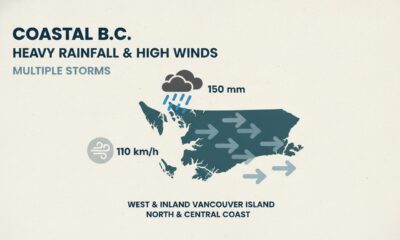
Coastal B.C. Faces Heavy Rainfall and High Winds in First of Multiple Storms
-
 BC STORIES5 days ago
BC Election Update: Conservatives Take Burnaby Seat as Final Vote Count Wraps Up
-
 BC STORIES4 days ago
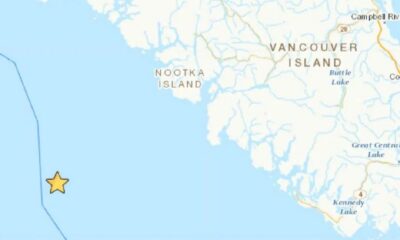
Why You Don’t Need to Worry About Tsunami Risks After Tuesday’s Island Earthquake
-
 BC STORIES6 days ago
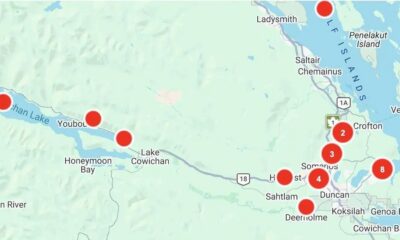
What to Know as Powerful Winds Cut Power to Thousands Across B.C.