HEALTH
Kitimat LNG Flaring Sparks Local Health Fears Amid Economic Boom
Massive gas flaring at Kitimat’s LNG Canada terminal sparks health concerns and regulatory scrutiny despite promises of long-term economic growth.


Rising Emissions and Community Concern
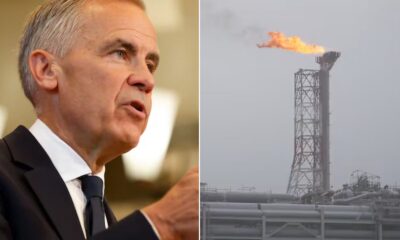
The skyline over Kitimat, British Columbia, has recently been dominated by massive towers of fire as the $40 billion LNG Canada export terminal moves through its critical commissioning phase. While the project is hailed as a cornerstone of national energy infrastructure, the persistent flaring has triggered a wave of health concerns among local residents who fear the long-term impacts of the emissions.
Ankur Patel, a local nurse, reports a noticeable uptick in respiratory complaints coinciding with the flaring events. According to Patel, community members are increasingly presenting with symptoms such as persistent coughing, lung irritation, and shortness of breath. He is calling for a more comprehensive health impact assessment and more robust monitoring of atmospheric contaminants to ensure the safety of the population.
Regulatory Overages and Data Gaps
The intensity of the flaring has drawn scrutiny from the scientific community. Research conducted by Laura Minet of the University of Victoria, based on freedom of information records, revealed that gas volumes flared between October and January significantly exceeded permitted limits. In some instances, warm and wet flares surpassed regulatory thresholds by 45 times the allowed volume.
While LNG Canada maintains that monitoring stations show pollutants like nitrogen dioxide and sulphur dioxide remain at safe levels, critics argue the current data is insufficient. Minet points out that monitoring is limited to specific contaminants and does not cover every residential area, leaving potential gaps in understanding how pollutants are dispersing through the local microclimate.
Economic Promise vs. Environmental Cost
Despite the friction, local officials remain optimistic about the project’s long-term utility. Kitimat Mayor Phil Germuth characterized the current flaring as a “short-term discomfort” necessary for “significant long-term gain.” The project, backed by global giants including Shell and Petronas, represents the largest private sector investment in Canadian history and is expected to provide decades of employment and economic stability.
LNG Canada has stated that the increased flaring is a temporary safety measure used to combust natural gas during the early operational stages. The company expects these activities to subside once the facility transitions into regular operations, promising to minimize further disruptions to the community while fueling Canada’s emergence as a major global LNG exporter.






COMMUNITY
BC Conservatives Promise $50M Rural Healthcare Fund Amid ER Closures
BC Conservatives propose a $50-million emergency fund to target rural hospital ER closures and staffing shortages across British Columbia.

Conservative Plan Focuses on Rural ER Closures
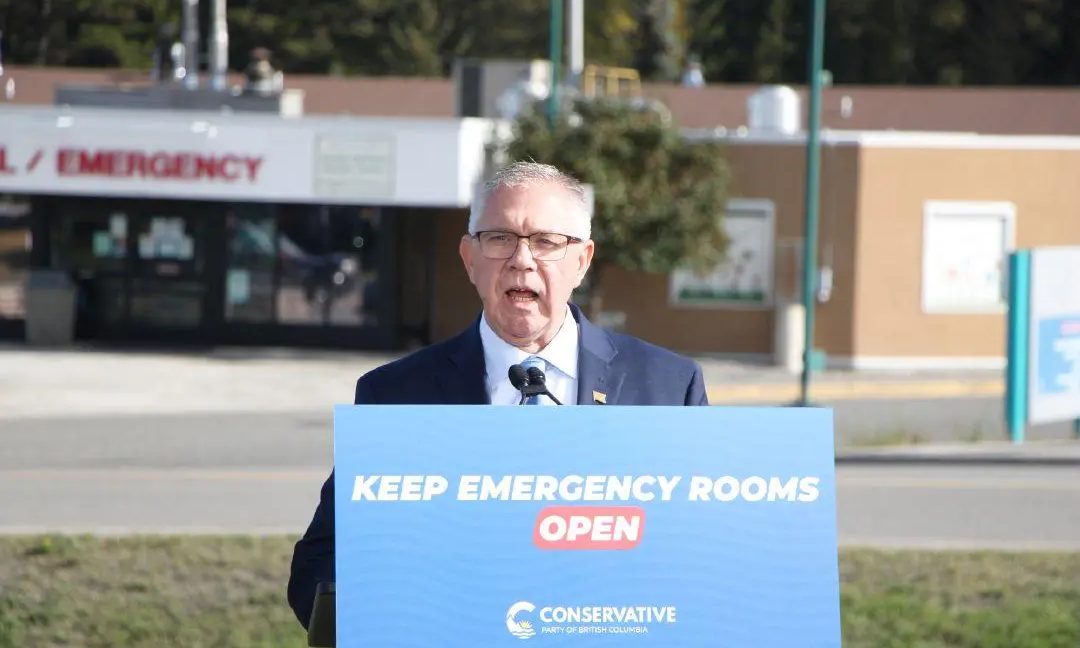
Speaking outside 100 Mile District General Hospital on Monday, Oct. 5, Lorne Doerkson announced that a B.C. Conservative government would establish a $50-million emergency fund to support rural medical practices. Doerkson, the party’s interim leader and incumbent MLA for Cariboo-Chilcotin, said the funding aims to prevent closures and assist with recruitment.
During the campaign stop, Doerkson noted that the local emergency department had experienced 39 announced shutdowns throughout 2026, though last-minute locum coverage allowed Interior Health to reopen the facility on several of those occasions. Overall, the ER remained closed well over 30 times. Doerkson pledged to maintain approved 2026 healthcare funding levels, fast-track credentials for foreign-trained Canadian physicians, and recognize provincial medical qualifications automatically to aid frontline staffing.
Community Impact and NDP Response
Former Cariboo-Chilcotin MLA Donna Barnett joined Doerkson, emphasizing that local residents and seniors rely on the emergency room, with some traveling up to an hour and a half for care. Local resident Amber Vigh, whose nine-year-old son Carter died at the hospital from an asthma attack in 2023, also voiced support for keeping the facility open continuously.
In response, B.C. NDP leader David Eby and party representatives criticized the Conservative proposal, questioning how the party would fund its healthcare promises without making service cuts. The NDP pointed to their own strategy of funding system investments through a proposed tax on high earners and millionaires. Doerkson countered that the proposed tax could deter new physicians from moving to British Columbia or prompt current doctors to leave.
HEALTH
Vernon Voters Weigh Options as Political Leaders Target Okanagan Riding
B.C. NDP Leader David Eby and Conservative Leader Lorne Doerkson brought their campaigns to Vernon over the weekend, pitching platform promises to voters.
Okanagan Stops Highlight Key Platforms
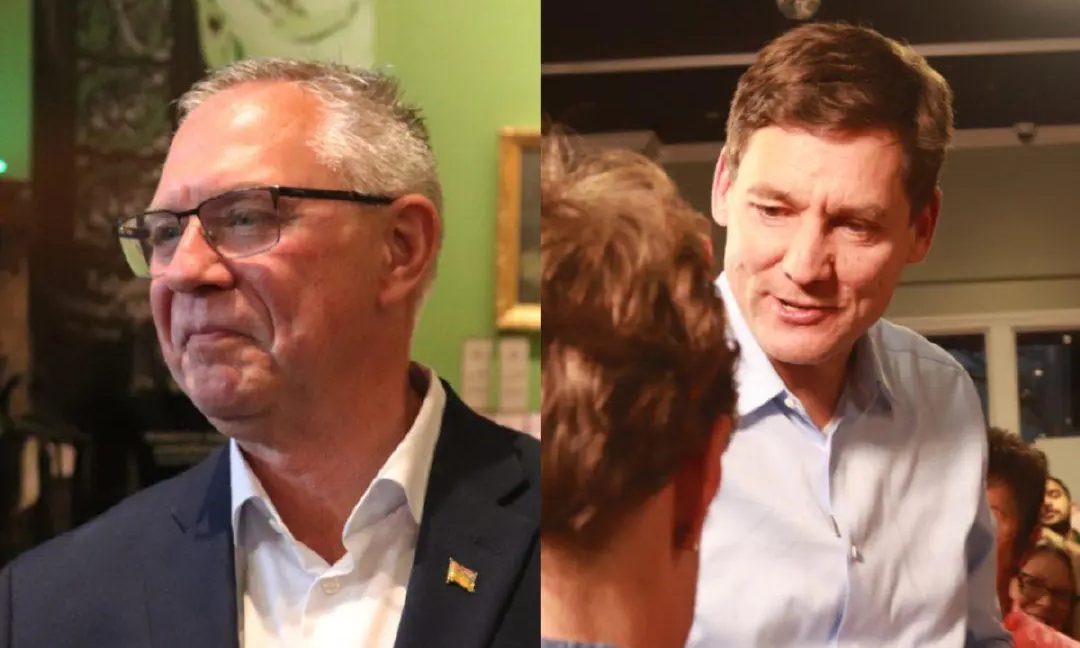
With campaign momentum building ahead of the Oct. 24 provincial election, B.C. NDP Leader David Eby and B.C. Conservative Leader Lorne Doerkson made separate campaign stops in Vernon over the weekend to connect with voters in a highly competitive riding.
Eby arrived on 30th Avenue on Saturday with a campaign bus to support local NDP candidate Harwinder Sandhu and several other area candidates, including Loyal Woolridge, Kory Clark, Gloria Morgan, and Binny Boparai. Speaking to roughly 80 attendees, Eby emphasized his party’s commitments to manage living costs, highlighting plans to temporarily suspend the 10-cent provincial motor fuel tax and place controls on gas prices. He also detailed a grocery proposal aimed at permitting new competing stores near established ones, which he stated can reduce annual household bills by an average of $700. In his remarks, Eby pointed to international factors as well, attributing current economic strains partly to impacts from U.S. President Donald Trump’s trade policies.
Conservatives Outline Policies and Address Election Timing
Doerkson hosted a meet-and-greet on Friday, Oct. 2, drawing over 100 people to Okanagan Spirits Craft Distillery alongside local Conservative candidate Kevin Acton. Earlier that morning in Summerland, Doerkson announced a half-billion-dollar wildfire initiative that includes purchasing a fleet of water bombers. Discussing economic measures, Doerkson highlighted a proposal to eliminate the 10 per cent PST on Canadian alcohol and focus on reducing interprovincial trade barriers as strategies to counter U.S. tariffs. He noted that health care, employment, and the economy remain the primary concerns raised by residents. Expressing frustration over the timing of the election call, Doerkson affirmed that his party remains focused on the upcoming vote.
Focus on the Local Contest
Both leaders used their appearances to rally support for their local representatives in the Vernon-Lumby contest. Eby praised Sandhu’s record of community-focused advocacy, noting her past electoral success in the area. Meanwhile, Doerkson commended Acton—who is also seeking re-election as mayor of Lumby—for his ongoing local leadership. Acton has committed to vacating his municipal seat and funding a municipal by-election should he be elected to provincial office.
BC STORIES
B.C. Patients Could Soon Select Surgical Lists Based on Wait Times Under NDP Plan
B.C. NDP Leader David Eby promises eight new MRI machines, 10 CT scanners, and regional surgical waitlists to reduce health-care delays across B.C.
Centralized Waitlists Proposed to Shorten Surgical Delays
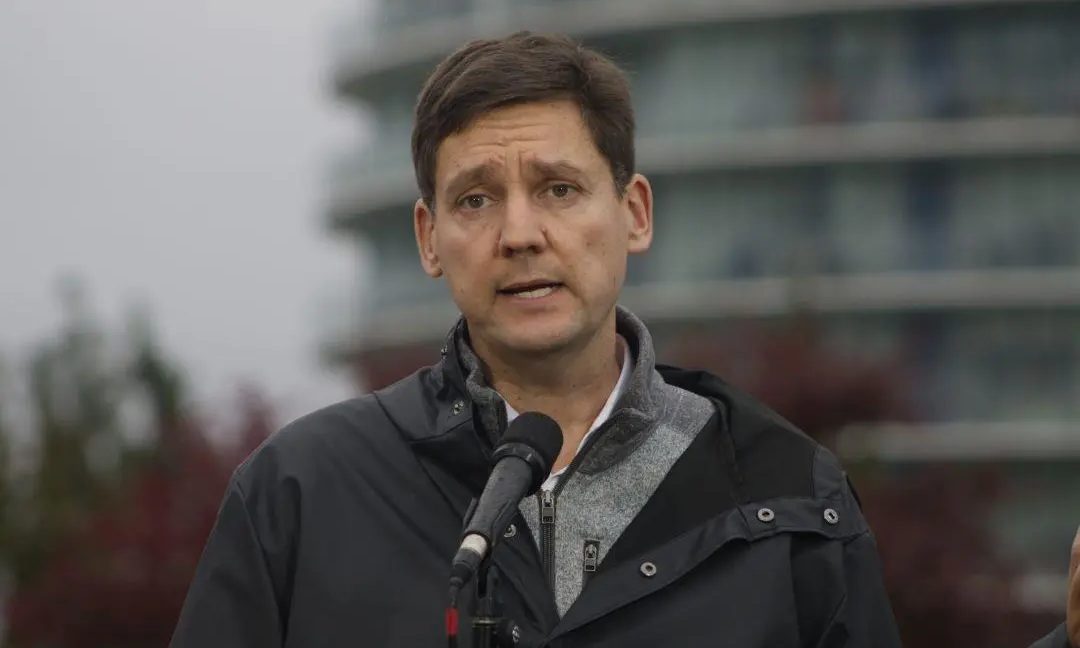
British Columbians undergoing surgery could soon choose their treatment location based on wait times under a new proposal from B.C. NDP Leader David Eby. Speaking in Coquitlam on Tuesday, Oct. 6, Eby outlined a campaign promise to establish co-ordinated regional surgical waitlists if his government wins re-election on Oct. 24. The initiative aims to match patients with available regional capacity, addressing wait times that currently vary between 10 and more than 50 weeks depending on the assigned surgeon.
Eby noted that the centralized system would allow patients to decide whether to undergo procedures at a local hospital, wait for a specific preferred surgeon, or opt for the fastest available opening anywhere in their region.
New Scanners and Targeted Recruitment Planned
Alongside procedural changes, the election pledge includes adding eight MRI machines—including one designated for Eagle Ridge Hospital in Coquitlam—and 10 CT scanners across the province. To operate the expanded diagnostic equipment, Eby announced plans to broaden B.C.’s U.S.-focused health-care recruitment campaign. The hiring effort will target areas facing active staffing shortages, specifically recruiting surgeons, medical lab technicians, and medical imaging technologists.
According to NDP figures, the provincial government has added over 1,800 specialists, 21 MRI units, and 15 CT scanners since taking office in 2017. These additions have contributed to a 108 per cent increase in completed MRI exams and a 61 per cent rise in CT exams.
Specialists Raise Concerns Over Access Times
Despite these additions, specialist wait times remain a critical issue across the province. A June survey conducted with involvement from the Consultant Specialists of BC revealed that nearly one-quarter of British Columbians are currently waiting to see a medical specialist, with that figure expanding by 10 per cent annually.
Dr. Robert Carruthers, president of the Consultant Specialists of BC, stated that the Ministry of Health relies on selective statistics that obscure the full scope of the problem. Carruthers pointed out that official metrics focus primarily on the duration between a specialist consultation and the actual surgery, while ignoring the initial wait required just to secure a first appointment with a specialist.
While the provincial government maintains a public website displaying surgical wait time data, the platform only reflects a snapshot of completed scheduled procedures over a rolling three-month window and is updated bimonthly.
Political Debate Over Health Care Solutions
Eby framed the upcoming provincial vote around healthcare access, contrasting his platform’s focus on diagnostic expansion against opposition proposals. The announcement arrived one day after B.C. Conservative Leader Lorne Doerkson pledged a $50-million dedicated fund aimed at preventing rural emergency room closures.

Where Provincial Jobless Rates Stood in September
What New Brunswick’s Latest Unemployment Figures Mean for Your Community

Who Is Running in Your Riding for the 2026 BC Election?

How Central Okanagan Residents Can Avoid Costly Household Plumbing Damage This Thanksgiving

BC Supreme Court Judge Set to Rule on Sentence Length for Former Gang Member

Loss of Newborn Calf Puts Fresh Focus on Endangered Southern Resident Whales

Opinion: John Rustad Has to Go

B.C. Supreme Court Grants Cowichan Tribes Title to Historic Richmond Lands and Fishing Rights

Vancouver Canucks Gear Up for a Make-or-Break 2025–26 Season

Province to Appeal Cowichan Tribes Land Decision

Kamloops Blazers Announce Off-Season Changes Ahead of 2025–26 Season

Kamloops Prepares Four Reverse Referendums on $188M in Major Projects
-

 LOCAL7 days ago
Have You Seen Him? Public Help Sought in Locating Missing Traveller Last Seen in Kamloops
-

 BC STORIES7 days ago
Why a Familiar Political Name is Joining the Kamloops-North Thompson Race
-
LOCAL6 days ago
Your Current 3 Day Forecast — October 4, 2026
-
 LOCAL7 days ago
Two Displaced as Investigators Eye Suspicious Four-Plex Fire in Kelowna
-
 COMMUNITY4 days ago
Why Okanagan Pet Owners Turned to Free BC SPCA Clinics After Wildfire Season
-

 OPINIONS4 days ago
B.C. Election Poll Puts Conservatives Ahead Five Points as Cost of Living Tops Voters’ Concerns
-
 BC STORIES4 days ago
B.C. Patients Could Soon Select Surgical Lists Based on Wait Times Under NDP Plan
-

 SPORTS5 days ago
BC Lions Hold Off Toronto Argonauts Behind Sean Whyte’s Record Eight Field Goals