LOCAL
A Dynasty Redefined: South Korea Signals Kim Ju-ae as Heir Apparent in Pyongyang
South Korea’s spy agency reports Kim Jong-un’s daughter, Kim Ju-ae, has reached ‘successor-designate’ status, signaling a historic shift in North Korean leadership.

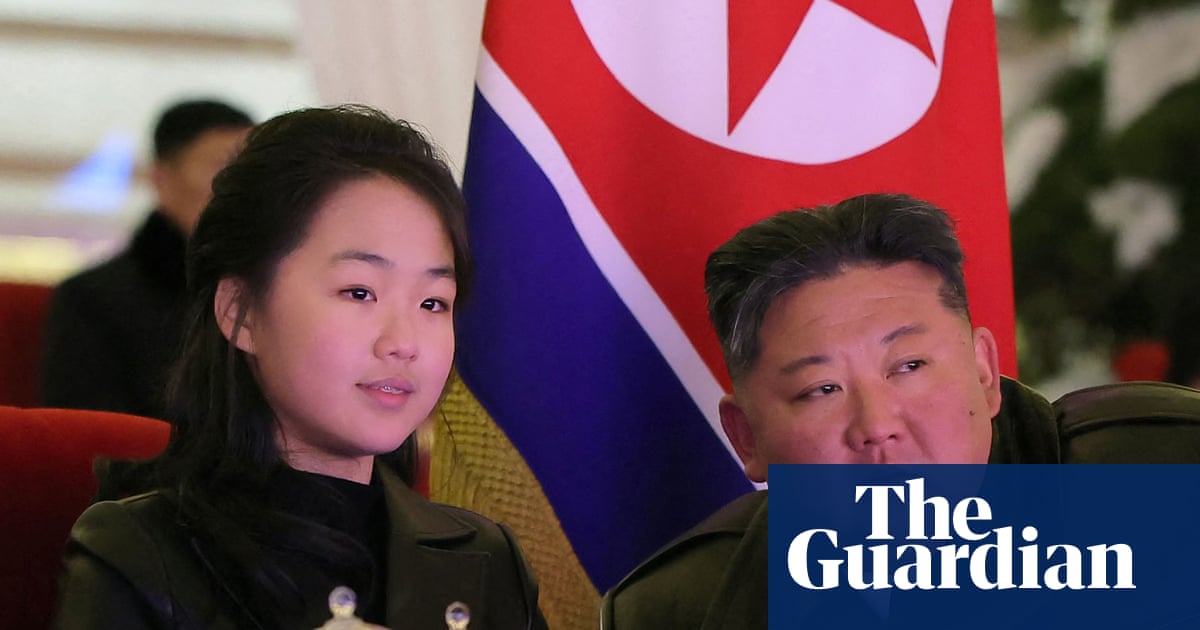
The Emergence of a Successor-Designate
In a development that has sent ripples through international intelligence communities, South Korea’s National Intelligence Service (NIS) has reportedly updated its assessment of North Korea’s leadership trajectory. In a closed-door briefing to lawmakers, the agency indicated that Kim Ju-ae, the teenage daughter of dictator Kim Jong-un, is no longer merely undergoing ‘successor training’ but has reached the ‘successor-designate’ stage. This semantic shift marks a significant pivot in how outside observers view the future of the reclusive nuclear state.
The NIS assessment comes as the Democratic People’s Republic of Korea (DPRK) prepares for its largest political gathering in years: a major Workers’ Party congress scheduled for later this month. Analysts believe this forum may serve as the official platform for Kim Jong-un to codify his daughter’s status while outlining the nation’s policy objectives for the next five years. Should Ju-ae appear alongside her father before thousands of delegates, it would serve as the most definitive public confirmation of her role in the fourth generation of the Kim dynasty.
The Trajectory of the ‘Respected Child’
The rise of Kim Ju-ae has been as rapid as it has been public. First introduced to the world at a long-range missile test in November 2022, she has transitioned from a curious addition to her father’s entourage to a staple of state propaganda. Over the past two years, she has been spotted at a variety of high-stakes events, including weapons tests, factory inspections, and military parades. Perhaps most notably, she accompanied her father to Beijing last September for a summit with Chinese President Xi Jinping, a move the NIS interpreted as an effort to build an international ‘narrative’ around her leadership credentials.
Speculation reached a fever pitch following a New Year’s Day visit to the Kumsusan Palace of the Sun. The mausoleum, which houses the embalmed remains of Kim Il-sung and Kim Jong-il, is considered the most sacred site in the country. By bringing Ju-ae into this inner sanctum, Kim Jong-un signaled her inclusion in the ‘Paektu bloodline,’ the hereditary lineage that has ruled North Korea since its founding in 1948.
Breaking the Patriarchal Glass Ceiling
The prospect of a female leader in North Korea is historically unprecedented. Since its inception, the country has been governed by a staunchly patriarchal system rooted in Confucian traditions and military-first politics. South Korean officials were initially skeptical that a daughter could bypass male heirs, especially given reports that Kim Jong-un may have an older son. However, the sheer frequency and prestige of Ju-ae’s public appearances have forced a reassessment of these traditional assumptions.
Lee Seong-kweun, a South Korean lawmaker, noted that the NIS shift in terminology is based on evidence that Kim Jong-un is already seeking his daughter’s input on specific policy matters. ‘In the past, she was a symbol,’ Lee suggested. ‘Now, she appears to be an apprentice in the actual machinery of the state.’ This early grooming may be a direct response to Kim Jong-un’s own experiences; he was thrust into power at age 26 with little preparation following his father’s sudden stroke and subsequent death.
Geopolitical Implications and the Path Ahead
As the 42-year-old Kim Jong-un moves to secure his legacy, the international community remains wary. The designation of a successor at such a young age—Ju-ae is believed to be approximately 13 years old—suggests that Kim is prioritizing long-term stability and dynastic continuity over any potential for democratic reform. For the United States, South Korea, and Japan, a designated successor means the ‘North Korea problem’ will likely persist for decades to come, anchored by the same family that has consistently prioritized nuclear development over diplomatic normalization.
While the name ‘Kim Ju-ae’ has never been officially published by North Korean media—which refers to her only as the ‘beloved’ or ‘respected’ child—her identity has become an open secret globally. As the upcoming party congress approaches, all eyes will be on the podium in Pyongyang to see if the teenage heir is finally presented as the future face of the world’s most secretive regime.

LOCAL
Where Provincial Jobless Rates Stood in September
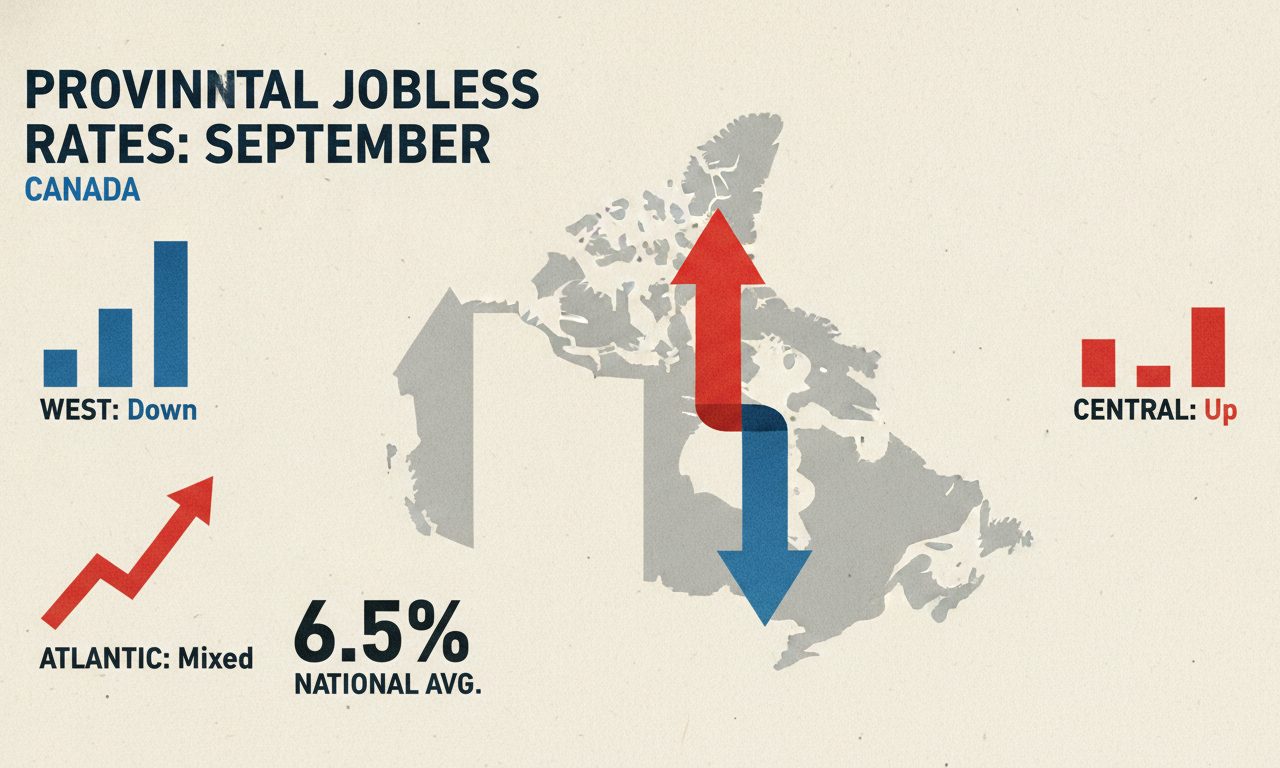
Canada’s national unemployment rate reached 6.5 per cent in September. Explore the full provincial breakdown and regional employment figures from Statistics Canada.

National and Provincial Jobless Figures
Canada recorded a national unemployment rate of 6.5 per cent in September, according to data released by Statistics Canada on Oct. 9, 2026.
Across Western Canada, British Columbia’s jobless rate shifted to 6.4 per cent from 6.5 per cent in August. Alberta recorded a rate of 6.4 per cent, down from 6.8 per cent the previous month, while Saskatchewan dropped to 5.4 per cent from 6.0 per cent. Manitoba’s unemployment rate remained unchanged at 5.0 per cent.
In Central Canada, Ontario’s unemployment rate rose slightly to 7.0 per cent from 6.9 per cent in August, while Quebec’s rate reached 6.0 per cent, up from 5.6 per cent.
Atlantic Canada and Regional City Data
In Atlantic Canada, Newfoundland and Labrador reported the highest provincial figure at 9.1 per cent, up from 8.6 per cent in August. New Brunswick saw a minor increase to 7.4 per cent from 7.3 per cent, and Nova Scotia rose to 6.3 per cent from 6.1 per cent. Prince Edward Island experienced a decline, moving to 7.3 per cent from 7.9 per cent.
Statistics Canada also tracked seasonally adjusted, three-month moving average rates for major urban areas. However, the agency cautioned that these municipal figures are subject to wide fluctuations due to smaller statistical sample sizes.
LOCAL
Who Is Running in Your Riding for the 2026 BC Election?
Check the full list of official candidates who have filed nomination papers for Kamloops, Fraser-Nicola, Cariboo-Chilcotin, and Salmon Arm-Shuswap ridings.
Candidates Confirmed Across Five Regional Ridings
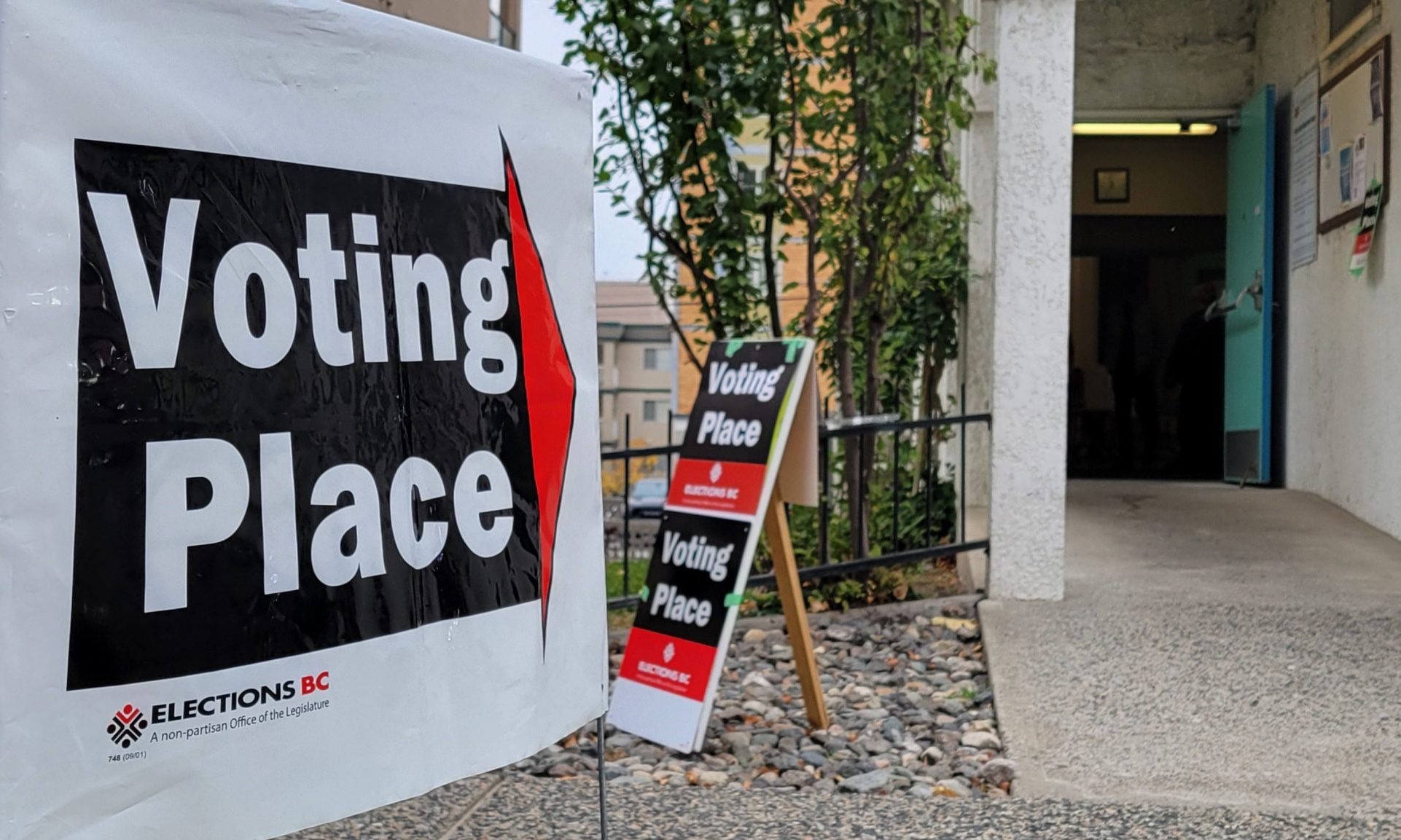
Nomination papers have been officially submitted by individuals seeking election as local Members of the Legislative Assembly in the upcoming 2026 BC election.
In Kamloops Centre, voters will see a five-candidate field consisting of incumbent Peter Milobar for the BC Conservatives, Annelise Beach representing the BC Greens, Rocky McAfee for OneBC, Thaelo Proctor running as an Independent, and Mike Wisla representing the BC NDP.
To the north, the Kamloops-North Thompson constituency features incumbent Ward Stamer of the BC Conservatives, alongside Kory Clark running for the BC NDP and Deborah Friesen for OneBC.
Contests Set for Fraser-Nicola, Cariboo-Chilcotin, and Salmon Arm-Shuswap
In the Fraser-Nicola riding, incumbent Conservative Tony Luck faces challenges from Jason Leboe of the BC NDP and Patrick Mitchell of the BC Greens.
The Cariboo-Chilcotin ballot includes incumbent Lorne Doerkson running for the BC Conservatives, Kathryn Askew representing the BC NDP, and Douglas Gook representing the BC Greens.
Meanwhile, five candidates are contesting the Salmon Arm-Shuswap riding. Incumbent David Williams represents the BC Conservatives, joined on the ballot by Gloria Morgan for the BC NDP, Barbara Presch for OneBC, Denise Reimer for CentreBC, and Jed Wiebe for the BC Greens.
COMMUNITY
How Central Okanagan Residents Can Avoid Costly Household Plumbing Damage This Thanksgiving
RDCO warns Central Okanagan residents to dispose of Thanksgiving cooking fats in the garbage to avoid costly sewer blockages and plumbing damage.

Preventing Sewer Overflows During Holiday Gatherings
As Central Okanagan families come together for Thanksgiving between Oct. 10 and Oct. 12, regional officials are offering guidance to keep home plumbing systems safe. Disposing of fats, oils and cooking grease improperly remains the primary reason sewer lines block and overflow throughout the community.
Kit Caufield, Manager of Engineering Services for the Regional District of Central Okanagan (RDCO), explained that grease accumulation inside pipe infrastructure restricts wastewater flow over time. Caufield noted that “Over time, grease builds up inside pipes, restricting wastewater flow and creating problems not only for homeowners, but across the entire sewer system. These blockages can damage household plumbing, result in costly repairs and interfere with critical wastewater infrastructure, including sewer lift stations,”
Proper Waste Disposal Guidelines
To prevent damage to both private plumbing and public infrastructure like sewer lift stations, the RDCO recommends catching leftover food particles using a drain basket or strainer. Residents should pour warm cooking fats into a covered tin container, which can be lined with a cooking bag if intended for reuse. After the grease cools and hardens, the container should be sealed and discarded in the trash.
Additionally, fatty foods such as salad dressings, mayonnaise, and other sauces must be thrown into the garbage rather than rinsed down sinks. For larger quantities of used cooking oil, individuals can take up to two 20-litre pails to the Glenmore Landfill for recycling, though commercial amounts are prohibited. Further details can be found on the RDCO website.

Where Provincial Jobless Rates Stood in September
What New Brunswick’s Latest Unemployment Figures Mean for Your Community

Who Is Running in Your Riding for the 2026 BC Election?

How Central Okanagan Residents Can Avoid Costly Household Plumbing Damage This Thanksgiving

BC Supreme Court Judge Set to Rule on Sentence Length for Former Gang Member

Loss of Newborn Calf Puts Fresh Focus on Endangered Southern Resident Whales

Opinion: John Rustad Has to Go

B.C. Supreme Court Grants Cowichan Tribes Title to Historic Richmond Lands and Fishing Rights

Vancouver Canucks Gear Up for a Make-or-Break 2025–26 Season

Province to Appeal Cowichan Tribes Land Decision

Kamloops Blazers Announce Off-Season Changes Ahead of 2025–26 Season

Kamloops Prepares Four Reverse Referendums on $188M in Major Projects
-

 LOCAL7 days ago
Have You Seen Him? Public Help Sought in Locating Missing Traveller Last Seen in Kamloops
-

 BC STORIES7 days ago
Why a Familiar Political Name is Joining the Kamloops-North Thompson Race
-
LOCAL6 days ago
Your Current 3 Day Forecast — October 4, 2026
-

 LOCAL7 days ago
Two Displaced as Investigators Eye Suspicious Four-Plex Fire in Kelowna
-
 COMMUNITY4 days ago
Why Okanagan Pet Owners Turned to Free BC SPCA Clinics After Wildfire Season
-

 OPINIONS4 days ago
B.C. Election Poll Puts Conservatives Ahead Five Points as Cost of Living Tops Voters’ Concerns
-
 BC STORIES4 days ago
B.C. Patients Could Soon Select Surgical Lists Based on Wait Times Under NDP Plan
-
LOCAL3 days ago
Your Current 3 Day Forecast — October 7, 2026