-
BC NEWS3 weeks ago
Vandalism Spree Cripples Salvation Army Emergency Response in Kelowna
The Salvation Army in Kelowna faces a crisis after three emergency and community vehicles were vandalized, halting food reclamation and disaster response.
-
BC3 weeks ago
Kelowna General Hospital Launches $2.5M Emergency Care Revitalization Project
Kelowna General Hospital Foundation launches a $2.5M campaign to redesign its ER, reduce wait times, and enhance patient safety at the busy BC facility.
-
BC NEWS1 month ago
Canada’s Happiness Crisis: Ranking Plummets as Social Media Impacts Youth Well-Being
Canada drops to 25th in world happiness rankings as researchers link the decline to heavy social media use among youth. Finland remains the happiest nation.
-
 BC NEWS1 month ago
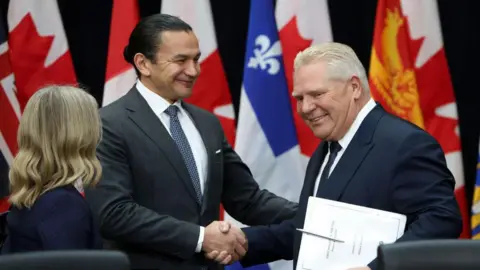
The BC Conservative Leadership Race: Nine Paths, Two Models
The Current Newsroom – Chad Dashly The Current Newsroom – Chad Dashly British Columbia’s conservative movement has arrived at a defining moment. With nine candidates seeking...
-


 BC NEWS2 months ago
Tyler Myers Trade to Dallas Shocks Canucks Fans
Newsroon – Chad DashlyThe veteran defenseman’s departure leaves a significant gap in Vancouver’s defence and sparks emotional reactions among supporters.Newsroom Tyler Myers Trade to Dallas Leaves...
-
BC NEWS2 months ago
Canada’s Time Crisis: Why British Columbia is Ending the Clock Change While Others Wait for a Domino Effect
British Columbia is ending seasonal time changes permanently, but the rest of Canada remains locked in a collective action dilemma over daylight saving time.
-

 BC NEWS2 months ago
BC Conservatives Narrow Leadership Field to Nine — The Real Contest: Discipline
Opinion News Room Chad Dashly BC Conservatives narrow the leadership field to nine — and the real contest is about discipline Opinion VANCOUVER — The Conservative...
Hockey World Mourns the Loss of Legendary Canucks Broadcaster John ‘Cheech’ Garrett
The AI Addiction Crisis: New Research Links Chatbot Design to Behavioral Dependency
Oilers on the Brink: McDavid and Dickinson Uncertain for Must-Win Game 5
Cracks in the Kremlin’s Armor: Rising Dissent and Economic Strains Challenge Putin’s Status Quo
Security Under Fire After Failed Assassination Attempt at White House Correspondents’ Dinner
Canada to Launch ‘Strong Canada Fund’: Carney Unveils Historic Sovereign Wealth Investment Strategy

Opinion: John Rustad Has to Go

B.C. Supreme Court Grants Cowichan Tribes Title to Historic Richmond Lands and Fishing Rights

Vancouver Canucks Gear Up for a Make-or-Break 2025–26 Season

Kamloops Prepares Four Reverse Referendums on $188M in Major Projects

Province to Appeal Cowichan Tribes Land Decision
