General
Canada Leads Global Diplomatic Surge to De-Escalate Iran Conflict through G7 Coalition
Canada’s Foreign Minister Anita Anand leads a G7 and Middle East initiative to de-escalate the Iran war, proposing ‘off-ramps’ to protect global trade.


A Middle Power Strategy for De-Escalation
In a bold move to navigate the escalating crisis in the Middle East, Canada is spearheading a collective diplomatic initiative involving G7 nations and regional partners. Canadian Foreign Minister Anita Anand has unveiled a “document of principles” designed to find viable “off-ramps” for the ongoing conflict between Iran, Israel, and the United States. Following meetings in London with UK Foreign Secretary Yvette Cooper and her Turkish counterpart Hakan Fidan, Anand emphasized the urgent need to mitigate regional spillover and protect global economic stability.
The Document of Principles
The Canadian-led proposal aims to reduce the risk of civilian casualties and insulate non-belligerent states from the fallout of the war. “It’s important for us to have a conversation about the off-ramps,” Anand stated, noting that Canada is engaging with every G7 member and various Middle Eastern partners directly impacted by retaliatory strikes. The initiative comes at a time when traditional powers appear locked in a cycle of escalation, particularly following Iranian missile strikes and threats to the strategic Strait of Hormuz, a conduit for 20% of the world’s oil reserves.
Distancing from Offensive Operations
Minister Anand notably clarified that Canada was neither consulted on nor participated in recent US-Israeli offensive military operations. While describing Iran’s retaliatory actions as breaches of international law, she underscored that Canada has no intention of joining the military conflict. This stance aligns with Prime Minister Mark Carney’s recent call at the World Economic Forum for “middle powers’ to assert more influence in global affairs, challenging the dominance of traditional hegemons during times of crisis.
Economic Resilience and Security Alliances
Beyond immediate diplomacy, Canada is pushing for structural shifts in defense and trade. Anand is advocating for the UK to join the proposed Defense Security and Resilience Bank, with charter negotiations set to begin in Montreal. This move is part of a broader strategy under the Carney administration to diversify trade and reduce economic dependence on the United States, aiming to double non-US trade over the next decade. By positioning itself as a pragmatic mediator, Canada seeks to prove that like-minded middle powers can exercise significant leverage even when the world’s largest powers are at an impasse.

Canada News
Invisible Threats: Experts Warn of Early and Expanding Tick Season Across Canada
Health experts warn of an early and dangerous tick season in Canada. Learn about Lyme disease, emerging pathogens, and the importance of daily tick checks.
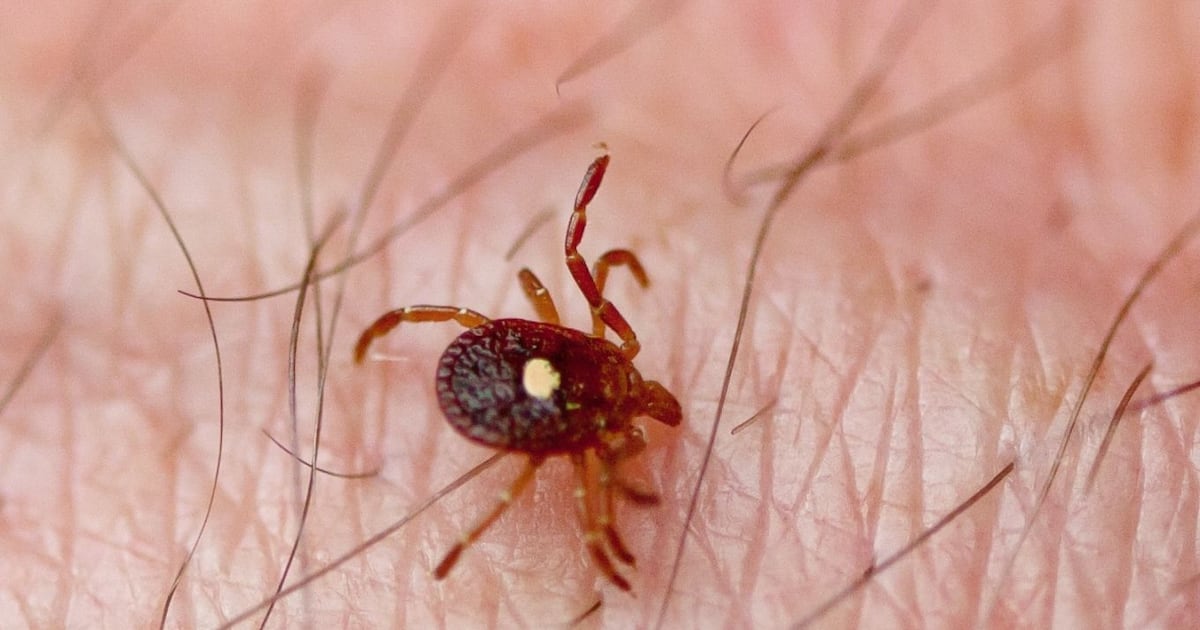
As the Canadian landscape thaws and residents head outdoors to enjoy the spring weather, health experts and advocates are issuing a stark warning: tick season has arrived early, and the risks are more significant than ever. With shifting climate patterns and a particularly insulating winter, the tiny arachnids are emerging in greater numbers, carrying a variety of debilitating pathogens.
A Life Altered by Tick-Borne Illness
For Donna Lugar of Nova Scotia, the danger of ticks is not theoretical. Diagnosed with a tick-borne illness 14 years ago, Lugar describes a harrowing experience that left her bedridden with over 40 distinct symptoms, including extreme light sensitivity. Today, she serves as a vocal advocate, urging Canadians to integrate tick checks into their daily routines. “You have to be careful,” Lugar warns, noting that the threat is no longer confined to specific summer months but can persist year-round depending on climate fluctuations.
The Biology of a Bite
The primary concern for Canadians is the black-legged tick. According to Vett Lloyd, a biology professor at Mount Allison University, these parasites are efficient vectors for disease. When a tick bites, it injects saliva containing a cocktail of microbes, bacteria, and viruses scavenged from local wildlife directly into the host’s bloodstream. Lloyd explains that this year’s population surge is partly due to heavy winter snowfall, which acted as an insulating blanket, protecting the ticks in the upper soil layers from freezing temperatures during the harshest months.
Beyond Lyme Disease: Emerging Pathogens
While Lyme disease remains the most prevalent tick-transmitted illness in Canada, infectious disease specialists like Dr. Isaac Bogoch are tracking other emerging threats. Infections such as Anaplasmosis, Babesiosis, and even Rocky Mountain Spotted Fever are appearing in regions where they were previously rare, including parts of southern Ontario. Symptoms can be severe and diverse, ranging from chronic fatigue and joint inflammation to nerve pain and facial paralysis. Experts emphasize that while these conditions are treatable, early detection and prevention through diligent tick checks remain the best defense against long-term health complications as these insects become a permanent fixture of the Canadian wilderness.
business
Mark Carney Unveils Powerhouse Advisory Council to Shield Canada-U.S. Trade
Mark Carney reveals a new advisory council for Canada-U.S. trade, featuring industry leaders and former Conservative MPs to navigate CUSMA renegotiations.

A Strategic Coalition for Economic Stability
In a decisive move to bolster cross-border relations, Mark Carney has announced the formation of a high-level advisory committee on Canada-U.S. Economic Relations. The newly established council brings together a diverse group of industry titans, labor leaders, and cross-partisan political figures, aimed at navigating the increasingly complex trade landscape with Canada’s largest economic partner. Led by Canada-U.S. Trade Minister Dominic LeBlanc, the committee is tasked with serving as a primary forum for expertise and strategy as the two nations face looming trade pressures.
Top Industry and Political Voices Recruited
The council’s roster is a “who’s who” of Canadian industry, specifically targeting sectors vulnerable to tariffs. Key members include Jean Simard of the Aluminum Association of Canada, Flavio Volpe of the Automotive Parts Manufacturers’ Association, and Susan Yurkovich of Canfor. The inclusion of labor voices like Unifor’s Lana Payne and the Québec Federation of Labour’s Magali Picard suggests a concerted effort to build a broad national consensus on trade priorities.
Notably, the group bridges the political divide by including prominent former Conservative figures such as former party leader Erin O’Toole and former MP Lisa Raitt, alongside former Québec Premier Jean Charest and former Nunavut Premier P.J. Akeeagok. This bipartisan approach is seen as a strategic hedge against political volatility in Washington, ensuring that Canadian interests remain consistent regardless of which party holds power in either nation.
Urgency Amid CUSMA Renegotiations
The timing of the council’s formation is critical. U.S. Trade Representative Jamieson Greer recently signaled that resolving trade disputes before the July 1 CUSMA renegotiation deadline is unlikely, even suggesting that Canada currently lags behind Mexico in substantive trade discussions. With the global environment growing “more dangerous and divided,” as Carney recently noted, the council must work rapidly to secure Canada’s economic interests.
The council is scheduled to hold its inaugural meeting on April 27, 2026, where it will begin drafting a roadmap for negotiations that cover everything from dairy and lumber to the critical automotive and energy sectors. By leveraging the expertise of leaders from TC Energy, Agropur, and the Canadian Chamber of Commerce, the government aims to present a united front against potential protectionist measures.
Economy
Bipartisan Heavyweights Join New Canada-U.S. Advisory Council to Navigate Trade Tensions
Trudeau forms a bipartisan Canada-U.S. advisory council featuring Erin O’Toole, Ralph Goodale, and top CEOs to navigate trade relations and CUSMA reviews.
A Unified Front on Transborder Relations
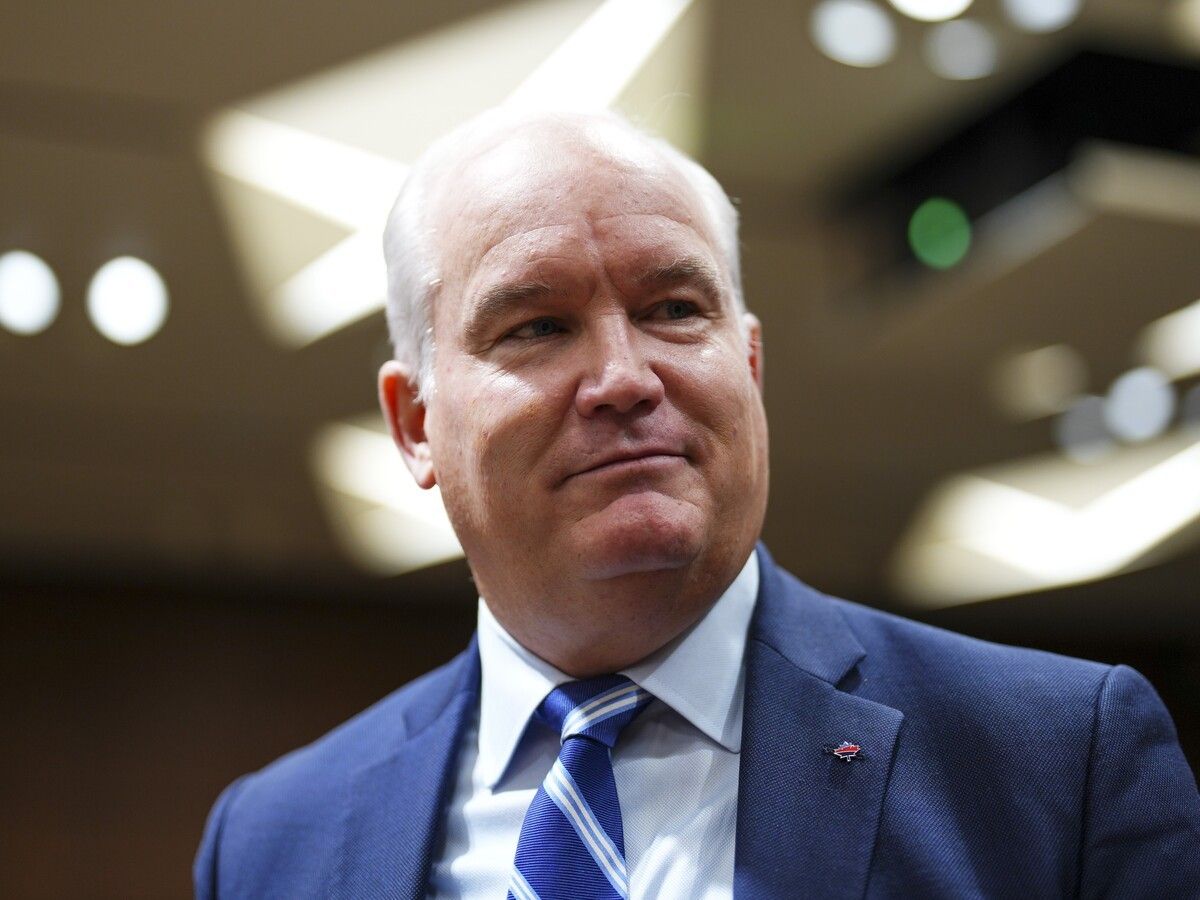
In a strategic move to fortify diplomatic and economic ties with its largest trading partner, the Prime Minister’s Office has unveiled the roster for the newly formed advisory committee on Canada-U.S. Economic Relations. The council, chaired by Mark Carney, brings together a high-profile blend of former political rivals and industry titans, signaling a “Team Canada” approach as the federal government prepares for potential shifts in American trade policy and the upcoming review of the Canada-United States-Mexico Agreement (CUSMA).
Cross-Party Cooperation Amid Economic Uncertainty
Among the most notable appointments are former Conservative Party leader Erin O’Toole and former Liberal cabinet heavyweight Ralph Goodale. O’Toole, who transitioned to the private sector in 2022 as president of ADIT North America, expressed his commitment to the role, stating that Canada must negotiate from a position of strength to protect domestic jobs. Goodale joins the council following a tenure as Canada’s High Commissioner to the United Kingdom, bringing deep institutional knowledge from his time as a minister during the original CUSMA negotiations.
The inclusion of Lisa Raitt, a former cabinet minister under Stephen Harper, and former Quebec premier Jean Charest further underscores the bipartisan nature of the group. By leveraging the expertise of individuals from across the political spectrum, the government aims to present a cohesive national strategy regardless of the political climate in Washington.
Industry Leaders and Sector Expertise
The council is not limited to political veterans; it features a robust selection of leaders from Canada’s primary economic engines. Key figures include Ken Seitz of Nutrien, Jonathan Price of Teck Resources, and François Poirier of TC Energy, representing the critical mining and energy sectors. The financial and transportation sectors are also represented by BMO CEO Darryl White and CN Rail’s Tracy Robinson.
Labor interests are represented by Unifor national president Lana Payne, while the manufacturing sector sees the return of Flavio Volpe, president of the Automotive Parts Manufacturers’ Association. This diverse assembly of voices is tasked with advising the government on maintaining market access and defending Canadian interests against potential tariffs or trade barriers that have historically complicated the cross-border relationship.
Hockey World Mourns the Loss of Legendary Canucks Broadcaster John ‘Cheech’ Garrett
The AI Addiction Crisis: New Research Links Chatbot Design to Behavioral Dependency
Oilers on the Brink: McDavid and Dickinson Uncertain for Must-Win Game 5
Cracks in the Kremlin’s Armor: Rising Dissent and Economic Strains Challenge Putin’s Status Quo
Security Under Fire After Failed Assassination Attempt at White House Correspondents’ Dinner
Canada to Launch ‘Strong Canada Fund’: Carney Unveils Historic Sovereign Wealth Investment Strategy

Opinion: John Rustad Has to Go

B.C. Supreme Court Grants Cowichan Tribes Title to Historic Richmond Lands and Fishing Rights

Vancouver Canucks Gear Up for a Make-or-Break 2025–26 Season

Kamloops Prepares Four Reverse Referendums on $188M in Major Projects

Province to Appeal Cowichan Tribes Land Decision

Kamloops Blazers Announce Off-Season Changes Ahead of 2025–26 Season
-
Celebrity News2 weeks ago
Zach Galifianakis Swaps Hollywood for the Quiet Life on a Remote British Columbia Island
-
Economy2 weeks ago
Canada Launches One-Time Grocery Benefit: Here is How Much You Could Receive on June 5
-
General2 weeks ago
Ontario Government Sparks Outrage with $28.9 Million Private Jet Purchase for Premier Doug Ford
-
business2 weeks ago
Prime Minister Carney Unveils $1 Trillion Investment Summit to Combat Decadelong Capital Flight
-
British Columbia2 weeks ago
Okanagan Residents Face Frigid Weekend as Major Gas Outage Disconnects Thousands
-
Celebrity News1 week ago
Katy Perry and Justin Trudeau Plan Lavish Paris Wedding Amidst Relationship Whirlwind
-

 OPINIONS2 weeks ago
BC Conservative Leadership Race: 24 Hours to Go
-
Aviation2 weeks ago
Aviation Crisis Looms: Europe Down to Final Six Weeks of Jet Fuel Reserves