Canadian Stories
Liberal Majority in Sight as Carney’s Party Woos Eight More Opposition MPs
Liberal sources reveal ongoing talks with eight more opposition MPs to cross the floor, as Mark Carney nears a majority government ahead of key by-elections.


A Strategy for Total Control
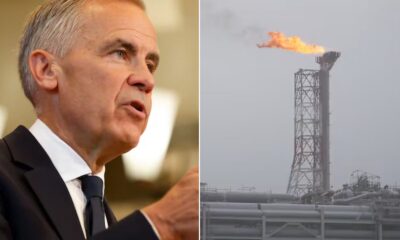
The Liberal Party of Canada is reportedly in active discussions with as many as eight additional opposition Members of Parliament to cross the floor, according to senior party organizers. This strategic recruitment drive, if successful, would solidify Prime Minister Mark Carney’s grip on the House of Commons and potentially reshape the Canadian political landscape for years to come.
Liberal sources, including veterans involved in the outreach, indicate that the list of targets includes both Conservative and New Democratic Party (NDP) MPs. These efforts were underway well before the high-profile defection of Ontario MP Marilyn Gladu, whose recent move to the Liberals has dominated the party’s ongoing convention in Montreal.
The Math of a Majority
The timing of these potential defections is critical. With Ms. Gladu’s arrival, the Liberals currently hold 171 of 343 seats—just one shy of a standing majority. With three by-elections scheduled for Monday, including two stronghold ridings in Toronto, the Liberals are on the verge of securing a majority through the ballot box. However, insiders describe the recruitment of opposition MPs as “political insurance,” ensuring a stable government even if the closely contested Quebec riding of Terrebonne remains out of reach.
Prime Minister Mark Carney has characterized the process as organic, suggesting that opposition members are the ones initiating contact. “In each of these circumstances, individuals have come to people they know well in the Liberal caucus and expressed an interest in joining,” Carney told reporters. Nevertheless, the involvement of cabinet ministers in brokering past deals suggests a highly coordinated effort to weaken the opposition.
Pressure Mounts on Conservative Leadership
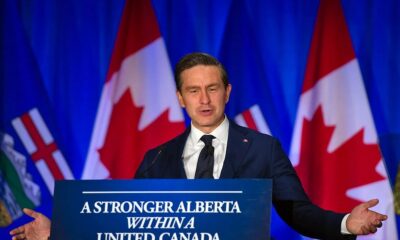
The prospect of further floor-crossing has placed Conservative Leader Pierre Poilievre under intense scrutiny. As the Liberals boast of an expanding tent that now includes social conservatives like Gladu, Poilievre is facing questions regarding caucus unity. While some Conservative MPs have taken to social media to pledge their loyalty, the departure of veteran members highlights a growing friction within the official opposition.
As the Liberal convention continues, the political world remains focused on whether Carney will announce further additions to his caucus, a move that would effectively neutralize the threat of a non-confidence motion and grant the government a clear path to implementing its legislative agenda without the need for NDP support.



Canadian Stories
Beyond the Brochures: The Reality of Life in Alberta’s Changing Landscapes
Discover the real Alberta beyond the postcards. From the ‘cinematic’ summers and late sunsets to the practicalities of surviving a dry, high-altitude climate.

The Alberta Experience: More Than Just Oil and Mountains
For those viewing Alberta from the outside, the province is often reduced to a series of postcards: the jagged peaks of the Rockies, the industrial hum of the oil sands, and the rugged aesthetic of the Calgary Stampede. However, residents know that the true character of the province is found in the nuances of its daily life and its unpredictable environmental rhythms. Moving beyond the stereotypes reveals a region defined by extreme seasonal commitment and a unique set of living requirements that often take newcomers by surprise.
The Paradox of Seasonal Commitment
In Alberta, seasons do not merely transition; they arrive with total conviction. The winter months demand a specialized kit including high-intensity outerwear and heavy-duty boots to combat the profound cold. Yet, it is the dramatic pivot to summer that truly defines the Alberta experience. The summer solstice brings an extraordinary gift: sunlight that lingers until nearly 10:00 p.m. This extended daylight fosters a unique culture of outdoor urgency, where citizens flock to river valleys and patio spaces to maximize every hour of warmth before the cycle resets. This ‘cinematic’ summer serves as a collective reward for enduring the arduous winter.
The Practicalities of High-Altitude Living
Newcomers quickly learn that the Alberta environment necessitates a specific lifestyle adaptation. The province’s high elevation and inland location result in an incredibly dry climate, making hydration and skincare products daily essentials rather than luxuries. Furthermore, the ecosystem presents its own challenges, such as a vigorous mosquito population that can quickly disrupt a peaceful evening. The local weather is famously temperamental; a sunny morning offers no guarantee of a dry afternoon, leading to a cultural obsession with ‘layering’ clothing. This unpredictability turns the simple act of checking a forecast into a lesson in preparedness.
The Quiet Beauty of the Everyday
While global tourists flock to Banff and Lake Louise—destinations so pristine they appear pre-edited—long-term residents find their connection to the land in more subtle spaces. Edmonton’s expansive river valley and the open prairie skies offer a sense of scale and tranquility that integrates nature into urban living. Ultimately, the Alberta identity is forged in this balance: the grit required to handle ‘survival documentary’ winters and the appreciation for the long, golden evenings that make the province feel like nowhere else on Earth.
Canadian Stories
New National Study Reveals Hormonal Shifts Are Reshaping Identity for Majority of Canadian Women
A new Leger survey finds 59% of Canadian women feel hormonal changes impact their identity, highlighting gaps in healthcare and the need for better support.

The Invisible Crisis: Hormonal Health and the Female Identity
A groundbreaking national survey has pulled back the curtain on a silent struggle facing millions of women across Canada. The Leger survey, commissioned by hormone health platform Science&Humans, reveals that nearly 60% of Canadian women feel hormonal changes have fundamentally altered their sense of identity. This data underscores a critical intersection between biological health and psychological well-being that has long been neglected by traditional medical frameworks.
Barriers to Care and the ‘Normal Aging’ Trap
Despite the profound impact on confidence, relationships, and professional performance, the study highlights significant systemic failures within the healthcare landscape. Over half of the respondents reported facing barriers when seeking hormone-related care, with 29% being told their debilitating symptoms were simply a result of “normal aging.” This dismissal often leads to a cycle of isolation; approximately 41% of women surveyed admitted that feeling unheard by medical professionals makes them less likely to speak openly about their health concerns in the future.
From Adolescence to Menopause: A Lifelong Journey
The research indicates that the struggle with hormonal identity is not limited to midlife. Data shows that 43% of women aged 18–24 identified their teenage years as the period they felt most unsure of themselves due to hormonal fluctuations. To combat this lifelong stigma, Science&Humans has launched the “Who Am I?” campaign, featuring tech entrepreneur Michele Romanow. The initiative aims to normalize discussions around conditions ranging from PCOS to perimenopause, advocating for a healthcare model that prioritizes informed, compassionate support over clinical dismissal.
A Call for Better Medical Training
The findings conclude with a clear demand for change: 81% of Canadian women believe that healthcare providers require significantly better training and resources regarding hormone health. As the conversation shifts, advocates like Romanow and Science&Humans co-founder Hira Siddiqui are pushing for a data-driven, integrative approach to ensure that women can navigate these inevitable biological transitions without losing their sense of self.
Alberta Government
Alberta Referendum Turmoil: UCP Bid for Independence Vote Hits Procedural Wall
Alberta’s UCP faces a procedural setback in its attempt to add a secession question to the fall referendum amid NDP protests and a major cabinet shuffle.

Procedural Disarray Stalls Secession Vote Push
The United Conservative Party’s (UCP) attempt to place a question regarding Alberta’s potential secession from Canada on this fall’s referendum ballot collapsed into procedural chaos on Wednesday. The Select Special Citizen Initiative Proposal Review Committee met to discuss a path forward after legal setbacks, but the effort was derailed by a premature press release and a resulting point of privilege raised by the New Democratic Party (NDP).
The debate centered on a petition from the pro-Canada group ‘Forever Canadian,’ which collected over 400,000 signatures last year. While the group originally sought a vote to reaffirm Alberta’s place in Confederation, UCP lawmakers attempted to use the momentum of that petition to justify a broader question on independence. This maneuver followed a recent court ruling that disqualified a separate, explicitly separatist petition for failing to consult with First Nations.
The Democratic Dispute and Cabinet Reshuffle
Tensions reached a boiling point when the UCP caucus released a statement claiming the committee had already recommended an independence referendum before the vote had actually taken place. NDP House Leader Christina Gray condemned the move as ‘spitting in the face of democracy,’ accusing the governing party of presupposing the outcome of a legislative process. The ensuing debate and refusal to extend the meeting time effectively killed the motion for the day.
The procedural failure comes at a critical juncture for Premier Danielle Smith. Facing immense pressure from the separatist wing of her party, Smith is also managing a significant cabinet shuffle. As the October 19 referendum date approaches—already set to include questions on immigration—the government remains caught between populist demands for a sovereignty vote and the legal and political risks of such a move. Former MLA Thomas Lukaszuk, who organized the Forever Canadian campaign, warned that the UCP would bear the full weight of the consequences should they proceed with a referendum on breaking up the country.
National Unity at a Crossroads
The escalating rhetoric in Alberta mirror tensions in Quebec, contributing to a volatile national unity landscape. With separatist leaders urging supporters to flood the UCP with memberships to force a vote, the province’s future relationship with the federal government remains the defining issue of Smith’s current mandate. The committee is scheduled to reconvene Thursday afternoon, immediately following the swearing-in of a new cabinet, to attempt to resolve the impasse.

Where Provincial Jobless Rates Stood in September
What New Brunswick’s Latest Unemployment Figures Mean for Your Community

Who Is Running in Your Riding for the 2026 BC Election?

How Central Okanagan Residents Can Avoid Costly Household Plumbing Damage This Thanksgiving

BC Supreme Court Judge Set to Rule on Sentence Length for Former Gang Member

Loss of Newborn Calf Puts Fresh Focus on Endangered Southern Resident Whales

Opinion: John Rustad Has to Go

B.C. Supreme Court Grants Cowichan Tribes Title to Historic Richmond Lands and Fishing Rights

Vancouver Canucks Gear Up for a Make-or-Break 2025–26 Season

Province to Appeal Cowichan Tribes Land Decision

Kamloops Blazers Announce Off-Season Changes Ahead of 2025–26 Season

Kamloops Prepares Four Reverse Referendums on $188M in Major Projects
-

 LOCAL7 days ago
Have You Seen Him? Public Help Sought in Locating Missing Traveller Last Seen in Kamloops
-
 BC STORIES7 days ago
Why a Familiar Political Name is Joining the Kamloops-North Thompson Race
-
LOCAL6 days ago
Your Current 3 Day Forecast — October 4, 2026
-

 LOCAL7 days ago
Two Displaced as Investigators Eye Suspicious Four-Plex Fire in Kelowna
-
 COMMUNITY4 days ago
Why Okanagan Pet Owners Turned to Free BC SPCA Clinics After Wildfire Season
-
 OPINIONS4 days ago
B.C. Election Poll Puts Conservatives Ahead Five Points as Cost of Living Tops Voters’ Concerns
-
 BC STORIES4 days ago
B.C. Patients Could Soon Select Surgical Lists Based on Wait Times Under NDP Plan
-
LOCAL3 days ago
Your Current 3 Day Forecast — October 7, 2026