WORLD
Rob Reiner, Celebrated Director and Political Activist, Dies with Wife Michele


Key Takeaways
- Acclaimed actor-director Rob Reiner and his wife, Michele Reiner, passed away at their Los Angeles residence on Sunday.
- Reiner leaves behind a remarkable legacy in Hollywood, having directed iconic films such such as “When Harry Met Sally…” and “The Princess Bride.”
- Beyond his cinematic achievements, Reiner was a prominent voice in Democratic politics, prompting an outpouring of grief from figures across the political spectrum, including former President Barack Obama.
The Deep Dive
News emerged Sunday of the passing of acclaimed actor-director Rob Reiner and his wife, Michele Reiner, at their Los Angeles home, prompting widespread mourning across the entertainment industry and political landscape. Reiner’s career spanned decades, beginning notably with his Emmy-winning role as Michael “Meathead” Stivic in the groundbreaking 1970s sitcom “All in the Family.” He then transitioned to a highly successful directing career, helming a string of critically acclaimed and beloved films that showcased his versatile storytelling, from the romantic comedy “When Harry Met Sally…” to the fantasy classic “The Princess Bride,” the legal drama “A Few Good Men,” and the poignant coming-of-age film “Stand by Me.”Beyond the silver screen, Reiner was a passionate and vocal advocate for Democratic causes and candidates. His prominent political engagement made him a significant figure in national discourse, often lending his voice and influence to progressive campaigns. This dual impact led to a unique wave of tributes, with figures from Hollywood, including actors like Jerry O’Connell and James Woods, joining prominent political leaders, most notably former President Barack Obama, in expressing their sorrow and respect for his multifaceted contributions.
Why It Matters
Rob Reiner’s passing marks the end of an era for a figure who profoundly shaped both American cinema and political dialogue. His ability to craft enduring stories that resonated deeply with audiences, while simultaneously engaging with pressing societal issues through his political activism, underscores a unique blend of cultural and civic influence. His legacy reflects not just artistic excellence but also the power of public figures to leverage their platform for causes they believe in, leaving an indelible mark on both the entertainment world and the national conversation. ఆయన will be remembered as a master storyteller and a dedicated citizen, a rare combination that defined his impactful life.


Religion
The Vatican’s Digital Crusade: Pope Leo XIV Issues Landmark AI Encyclical Warning Against ‘Opaque Algorithms’
Pope Leo XIV releases ‘Magnifica Humanitas,’ a landmark AI encyclical warning against opaque algorithms and calling for global regulation to prevent dehumanization.

A Moral Compass for the Digital Age
In a historic move that underscores the Vatican’s growing concern over the rapid advancement of technology, Pope Leo XIV has released a groundbreaking encyclical titled “Magnifica Humanitas” (Magnificent Humanity). Addressing a packed audience at the Vatican, the pontiff issued a stark warning against the rise of “opaque algorithms” and the concentration of artificial intelligence power within a handful of private corporations. He cautioned that without ethical oversight, these technologies could usher in “new forms of dehumanization,” prioritizing profit over the inherent dignity of the person.
Beyond the Idolatry of Profit
The encyclical arrives at a volatile moment in global history, specifically referencing the recent deployment of AI systems during the conflict between the United States, Israel, and Iran. Pope Leo XIV argued that the technological revolution must not be driven by the “idolatry of profit” or military dominance. In a departure from tradition, the Pope personally presented the document alongside Christopher Olah, founder of the AI firm Anthropic. This collaboration highlights a burgeoning dialogue between the Holy See and Silicon Valley, as religious leaders seek to influence the ethical framework of emerging technologies.
The Tower of Babel vs. Human Grandeur
Invoking the biblical narrative of the Tower of Babel, the Pope described humanity as standing at a pivotal crossroads. He warned that the pursuit of AI without moral grounding mirrors the hubris of those who sought to reach the heavens, potentially leading to social fragmentation. However, “Magnifica Humanitas” maintains that technology is not inherently evil. Instead, it reflects the characteristics and intentions of its creators. The Holy See emphasizes that because technology is never neutral, active political involvement is required to slow the pace of development and ensure it serves the common good.
A Call for Global Regulation
The document concludes with a robust demand for legal frameworks and independent oversight. Pope Leo XIV urged governments not to abdicate their responsibilities to private interests, particularly in light of recent tensions between tech leaders like Anthropic’s Dario Amodei and defense departments over the use of AI in warfare. By positioning the encyclical as a benchmark for both policymakers and ordinary citizens, the Vatican aims to secure a future where AI facilitates a society where God and humanity dwell together, rather than a tool for exploitation.
Global Health
WHO Issues Urgent Warning as Ebola Outbreak Outpaces Global Containment Efforts
WHO chief Tedros Adhanom Ghebreyesus warns the Ebola outbreak in DRC and Uganda is outperforming response efforts with 220 suspected deaths reported.

A Growing Crisis in Central Africa
The World Health Organization (WHO) has issued a sobering assessment of the ongoing Ebola outbreak in the Democratic Republic of Congo (DRC) and Uganda, warning that the virus is spreading faster than international response teams can contain it. Speaking at a high-level meeting of the African Union on Monday, WHO Director-General Tedros Adhanom Ghebreyesus revealed that the death toll has reached approximately 220 suspected cases. He noted that a critical delay in initial detection has left health workers “playing catch-up” in a race against a highly lethal pathogen.
The Challenge of the Bundibugyo Strain
Compounding the severity of the situation is the specific nature of the virus involved. This outbreak features the rare Bundibugyo strain, which presents a unique set of hurdles for medical professionals. Unlike the more common Zaire strain, there are currently no approved vaccines or specific therapeutics for Bundibugyo, leaving responders to rely primarily on supportive care and strict isolation protocols. The lack of a preventative vaccine significantly increases the risk to frontline workers and local communities alike.
Regional Security and Cross-Border Threats
The geographic epicenter of the crisis—specifically the Ituri and North Kivu provinces of the DRC—is plagued by persistent insecurity and conflict. These conditions hamper the mobility of medical teams and the distribution of essential supplies. Furthermore, the risk of regional transmission is escalating; Uganda recently reported two new cases, bringing its confirmed total to seven. Dr. Tedros emphasized that all countries bordering the DRC must take immediate action to bolster their surveillance and preparedness measures, as the WHO has officially designated the situation a public health emergency of international concern.
High-Level Intervention
In a bid to intensify the international response, Dr. Tedros and Chikwe Ihekweazu, the WHO’s head of health emergencies, are scheduled to arrive in the DRC on Tuesday. Their mission aims to coordinate localized efforts and address the systemic gaps that have allowed the outbreak to gain momentum. As the crisis deepens, the global health community remains on high alert, acknowledging that the situation is likely to deteriorate further before any significant stabilization occurs.
Global Economy
Strategic Patience: Trump Advises Negotiators Against Rushed Iran Agreement
President Trump urges U.S. negotiators to avoid a rushed Iran deal as talks focus on a 60-day ceasefire and reopening the vital Strait of Hormuz shipping lane.
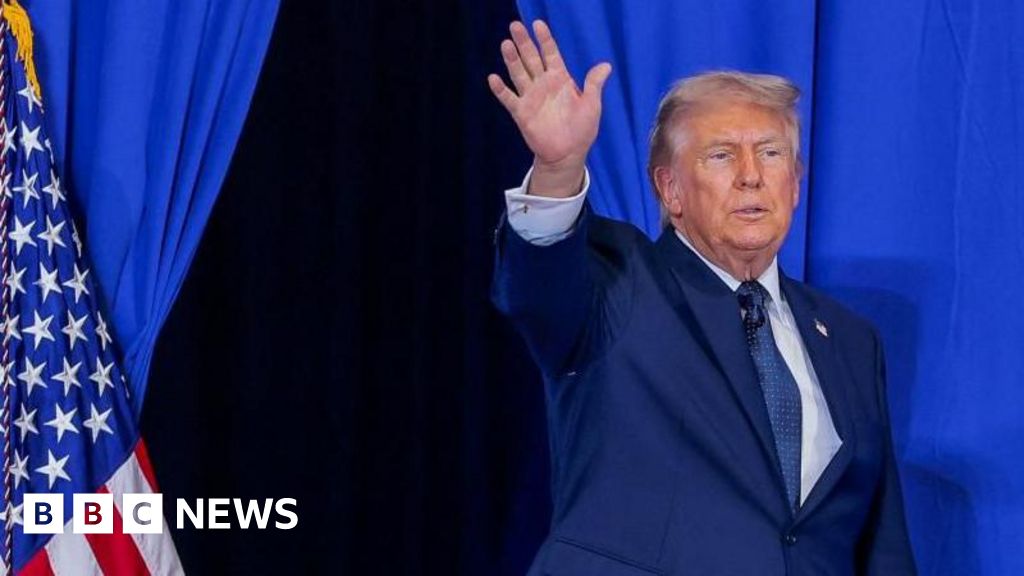
A Shift Toward Deliberate Diplomacy
President Donald Trump has reportedly instructed U.S. negotiators to exercise strategic patience and avoid rushing into a formal agreement with Iran. This directive comes at a critical juncture in diplomatic discussions aimed at de-escalating tensions in the Middle East. While the prospect of a breakthrough remains on the horizon, the administration appears focused on securing a deal that addresses long-term structural concerns rather than settling for a short-term reprieve or a politically convenient headline.
The 60-Day Ceasefire Framework
The core of the current negotiations centers on a proposed 60-day ceasefire extension. According to reports from several U.S. media outlets, the primary objective of this window is to facilitate the reopening of the Strait of Hormuz. As one of the world’s most vital maritime passages for petroleum, the Strait’s closure or harassment of vessels within it has historically sent shockwaves through global energy markets. A reopening would signal a significant cooling of hostilities and provide much-needed stability for international shipping lanes and the global supply chain.
Leverage and Long-Term Security
By advising negotiators not to rush, President Trump is maintaining a stance consistent with his previous foreign policy maneuvers. The administration’s maximum pressure campaign has long sought to bring Tehran to the table from a position of economic vulnerability. Analysts suggest that the White House is wary of a deal that offers immediate sanctions relief to Iran without comprehensive guarantees regarding its ballistic missile program and regional influence. This cautious approach is intended to ensure that any temporary ceasefire serves as a bridge to a more robust, permanent agreement rather than a stalling tactic used by the Iranian leadership.
Global Economic and Political Impact
The stakes of these negotiations extend far beyond the borders of the two nations. Global markets are closely monitoring the situation, as the reopening of the Strait of Hormuz could lead to a stabilization of oil prices and reduced insurance premiums for maritime logistics. Furthermore, regional allies and European partners are watching the U.S. response to gauge the future of Middle Eastern security architecture. As the proposed 60-day window looms, the world remains on edge, waiting to see if this deliberate pace will yield a lasting peace or if the geopolitical divide remains too wide to bridge in the current climate.
Tim Hortons Pivots to Local Hiring Strategy Amid Rising Youth Unemployment and Fast-Food Competition
Canada—and British Columbia especially—feels like it’s standing at a crossroads.
The Vatican’s Digital Crusade: Pope Leo XIV Issues Landmark AI Encyclical Warning Against ‘Opaque Algorithms’
Confusion and Skepticism Mount Over Alberta’s Separation Referendum
WHO Issues Urgent Warning as Ebola Outbreak Outpaces Global Containment Efforts
Elections Alberta Alleges Key Organizer Refuses Cooperation in Massive Voter Data Misuse Probe

Opinion: John Rustad Has to Go

B.C. Supreme Court Grants Cowichan Tribes Title to Historic Richmond Lands and Fishing Rights

Vancouver Canucks Gear Up for a Make-or-Break 2025–26 Season

Province to Appeal Cowichan Tribes Land Decision

Kamloops Prepares Four Reverse Referendums on $188M in Major Projects

Kamloops Blazers Announce Off-Season Changes Ahead of 2025–26 Season
-
General2 weeks ago
NHL Unveils 2026 Conference Final Schedule Scenarios as Playoff Intensity Mounts
-
Canadian News2 weeks ago
Privacy Breach Scandal: Alberta Separatist Leader Defies Provincial Election Investigators
-
BC NEWS2 weeks ago
BC Ferries Braces for Record-Breaking Summer as World Cup Fans Surge Toward Vancouver Island
-
business2 weeks ago
Canada Asserts Digital Sovereignty with Major AI Infrastructure Launch in British Columbia
-
energy2 weeks ago
Global Energy Markets Braced for Impact as Trump Declares Iran Ceasefire on ‘Life Support’
-
Hockey2 weeks ago
Canadiens Maintain Confidence Despite Fluke Goal as Sabres Square Series in Montreal
-
Economy2 weeks ago
Financial Breaking Point: Canadian Insolvency Filings Surge to Highest Levels Since 2009
-
business2 weeks ago
Ontario’s War on Ticket Scalping: Province Launches Enforcement Blitz on Secondary Markets