LOCAL
UBC Dementia Research Receives $500,000 Boost for Revolutionary Blood-Based Testing
The Cowell Foundation invests $500,000 in CLEAR Foundation to fund UBC’s groundbreaking biomarker research and blood-based dementia testing.

Transforming Dementia Diagnosis at UBC
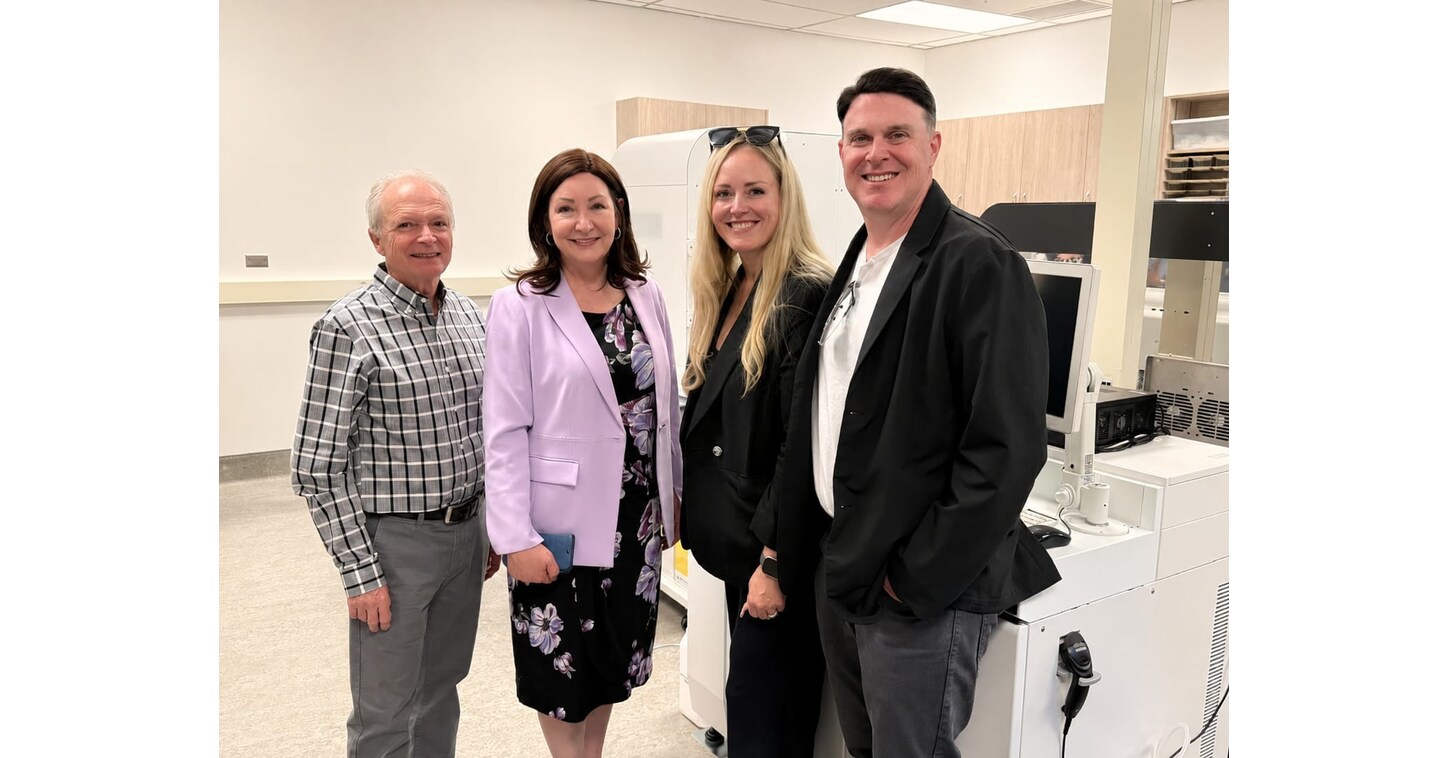
The landscape of Alzheimer’s research in British Columbia has received a significant boost following a $500,000 investment from The Cowell Foundation. This visionary gift, directed to the CLEAR (Canadians for Leading Edge Alzheimer Research) Foundation, is set to accelerate the development of biomarker-based detection methods at the University of British Columbia’s newly inaugurated Core Facility for Neurology Biomarker Innovation (CFNBI).
Located within the UBC Hospital, the CFNBI represents a critical step forward in neurological science. Under the leadership of Dr. Cheryl Wellington, a Professor in the Department of Pathology and Laboratory Medicine, the facility is focused on a transformative goal: replacing expensive neuroimaging and invasive lumbar punctures with simple, accessible blood tests. These tests detect protein biomarkers that reflect real-time biological changes in the brain, offering a window into the progression of dementia long before traditional symptoms may surface.
Investing in Talent and Technology
The four-year commitment from The Cowell Foundation will be split between two primary initiatives. First, an Operating Grant will provide critical resources to established dementia researchers in British Columbia. Second, a Research Trainee Award will fund the development of the next generation of scientific talent, ensuring that the province remains at the forefront of global medical innovation.
Dr. Wellington’s team has already established a formidable track record, boasting over 50 publications and more than 70 managed projects. Their collaborative network of 140 experts has already attracted upwards of $75 million in funding, but this new investment specifically targets the practical application of biomarker technology to make diagnosis more equitable and timely for patients throughout the region.
The Growing Urgency of Dementia Research
The timing of this investment is critical. Currently, more than 770,000 Canadians are living with some form of dementia, and projections suggest this figure will nearly double by 2050. As the population ages, the demand for early and accurate diagnosis becomes a matter of public health necessity. Early detection is widely considered the key to effective intervention and, eventually, a cure.
In a statement, the Cowell family emphasized the personal nature of their contribution, noting the profound impact the disease has on families and caregivers. By funding the CLEAR Foundation—which directs 100% of public donations toward research—this gift ensures that the path toward a future free from dementia remains a top priority for Canadian science.




COMMUNITY
Community Support Surges for Family After Fatal Highway Crash Near Chase Claims Two Lives
A GoFundMe campaign supports a Kamloops family after Denise Sellars and her 11-year-old son Kayden died in a fatal crash on the Trans-Canada Highway near Chase.

Online Memorial Launched Following Trans-Canada Highway Collision
An online fundraising campaign has been established to assist a grieving Kamloops family after a two-vehicle collision on the Trans-Canada Highway west of Chase claimed two lives. The crash occurred around 3:00 p.m. on Thursday, Oct. 1, involving a Honda Civic and a Mercedes SUV.
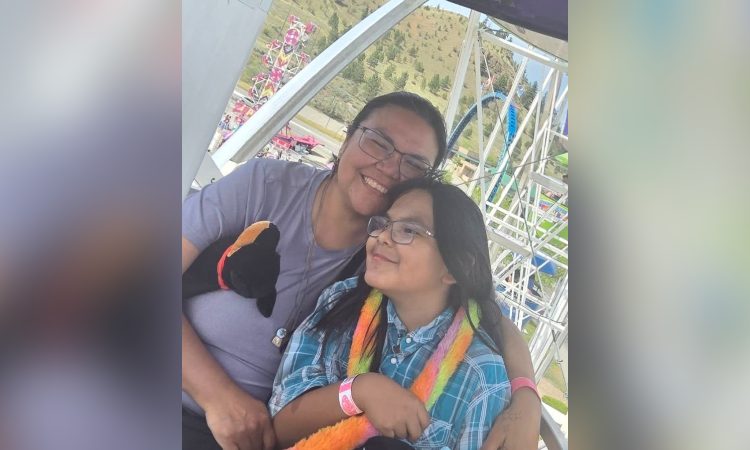
First responders reported that 47-year-old Denise Sellars and her 11-year-old son, Kayden, were traveling in the Honda and died in the crash. The driver of the Mercedes sustained serious injuries and was transported to the hospital for medical care.
Community Honors Victims
Organized by Trinity B to assist the surviving family members in the coming months, the GoFundMe campaign set a goal of $11,000 and had collected nearly $7,500 shortly after publication. Sellars and her son leave behind her partner Luther, along with her older children, Tristan and Malia.
“Denise was a bright, beautiful light, with an infectious laugh and smile,” organizer Trinity B wrote. “She inspired us to lighten up and be the best version of ourselves. She was a spiritual warrior, a knowledge holder and a language warrior, too.” The organizer added that Sellars’ classmates selected her as valedictorian, noting, “We knew you were the bravest of us all.” Her loss has had a profound impact across her community and Secwepemcúl̓ecw.
Trinity also shared memories of 11-year-old Kayden, describing him as a boy with a large heart who was “the [first] to go without if he wants to share with [you],” and noted that “Those who knew him remember a sweetheart who always made sure to say, ‘Good morning.’”
Police Investigation Ongoing
Authorities have not yet determined the cause of the fatal incident. BC RCMP spokesperson Cpl. Brett Urano offered condolences in a statement, noting, “The loss of life in any incident is tragic, and our thoughts are with the family and loved ones of those affected during this incredibly difficult time.”
Police are asking anyone who witnessed the event or captured video footage along that stretch of highway between 2:30 p.m. and 3:30 p.m. on Oct. 1 to contact the Chase RCMP at 250-679-3221, citing file 2026-2282.
LOCAL
What a Proposed ICBC Hybrid System Could Mean for B.C. Drivers
B.C. Conservative MLA Ward Stamer discusses proposed ICBC auto insurance reforms, private competition options, and local driver impacts in British Columbia.
Kamloops Candidate Supports Public Option Alongside Market Competition
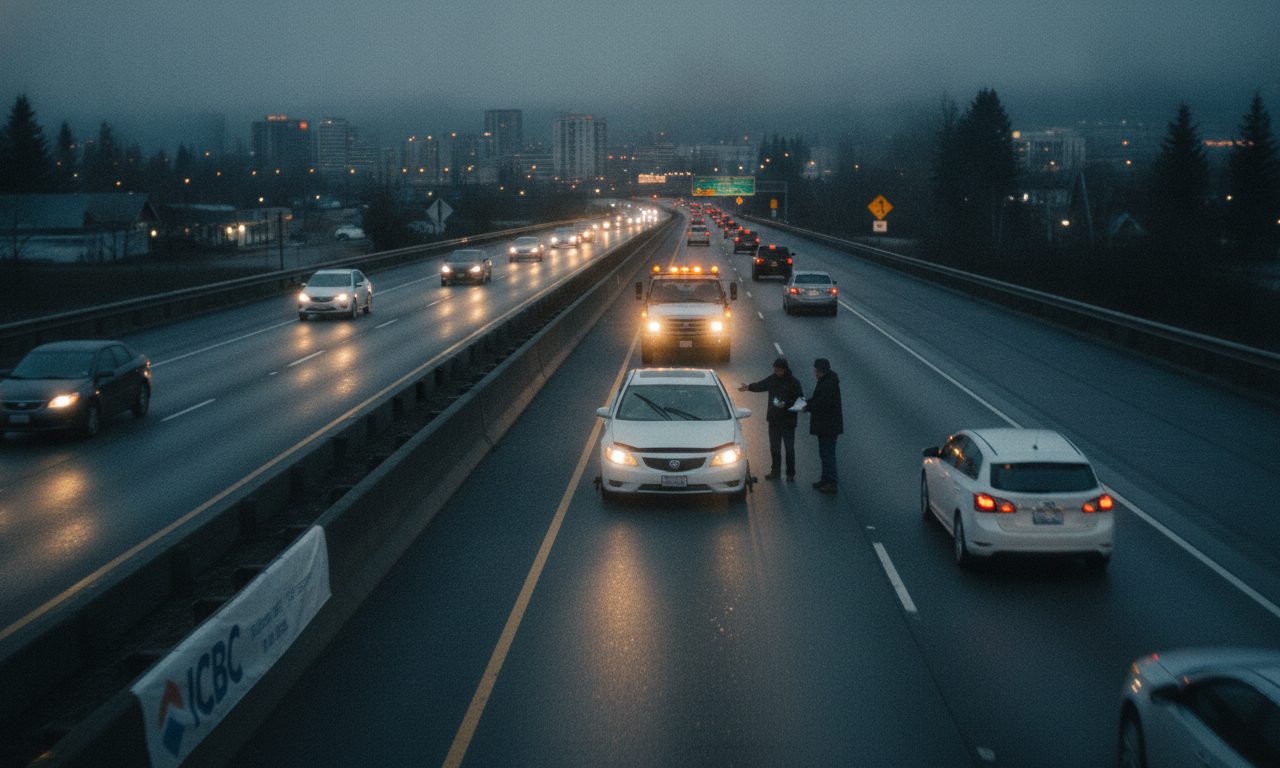
B.C. Conservative candidate Ward Stamer says he wants to keep the majority of auto insurance coverage under ICBC, even as his party outlines plans to introduce private market competition. Stamer, the incumbent MLA for Kamloops-North Thompson, noted that while he lacks full details on how private insurers would fit into the system, he hopes most coverage stays with the public provider while giving residents more choices.
The proposed hybrid model would open certain segments of the auto insurance market to private companies while maintaining ICBC as a public option. Additionally, the plan would allow individuals with serious injuries to sue for compensation through the legal system, which Conservatives say preserves most litigation-related savings while offering fuller recovery options for victims.
Debate Over Rates and System Implementation
Addressing potential risks, Stamer expressed that private insurers should not be allowed to “cherry-picking” low-risk drivers and leave remaining motorists with fewer alternatives. He acknowledged mixed outcomes in other public-private jurisdictions, noting costs increased in some places, but felt confident a better model can be designed for B.C. “I don’t know all the details, and once we’re government, we’ll be able to iron out those details, but many people are very upset with the no-fault insurance,” he said.
The proposal drew scrutiny during the campaign following a letter sent by B.C. Conservative Leader Lorne Doerkson to legal and insurance groups, mentioning that replacing no-fault coverage and opening competition were under consideration. The NDP criticized the letter as a “secret” plan that could potentially double insurance premiums. Stamer dismissed claims of a hidden agenda, stating, “When the NDP calls it a secret, it wasn’t a secret. It was put out into the public.” He added that NDP warnings about doubled insurance rates are exaggerated.
LOCAL
Where Provincial Jobless Rates Stood in September
Canada’s national unemployment rate reached 6.5 per cent in September. Explore the full provincial breakdown and regional employment figures from Statistics Canada.
National and Provincial Jobless Figures
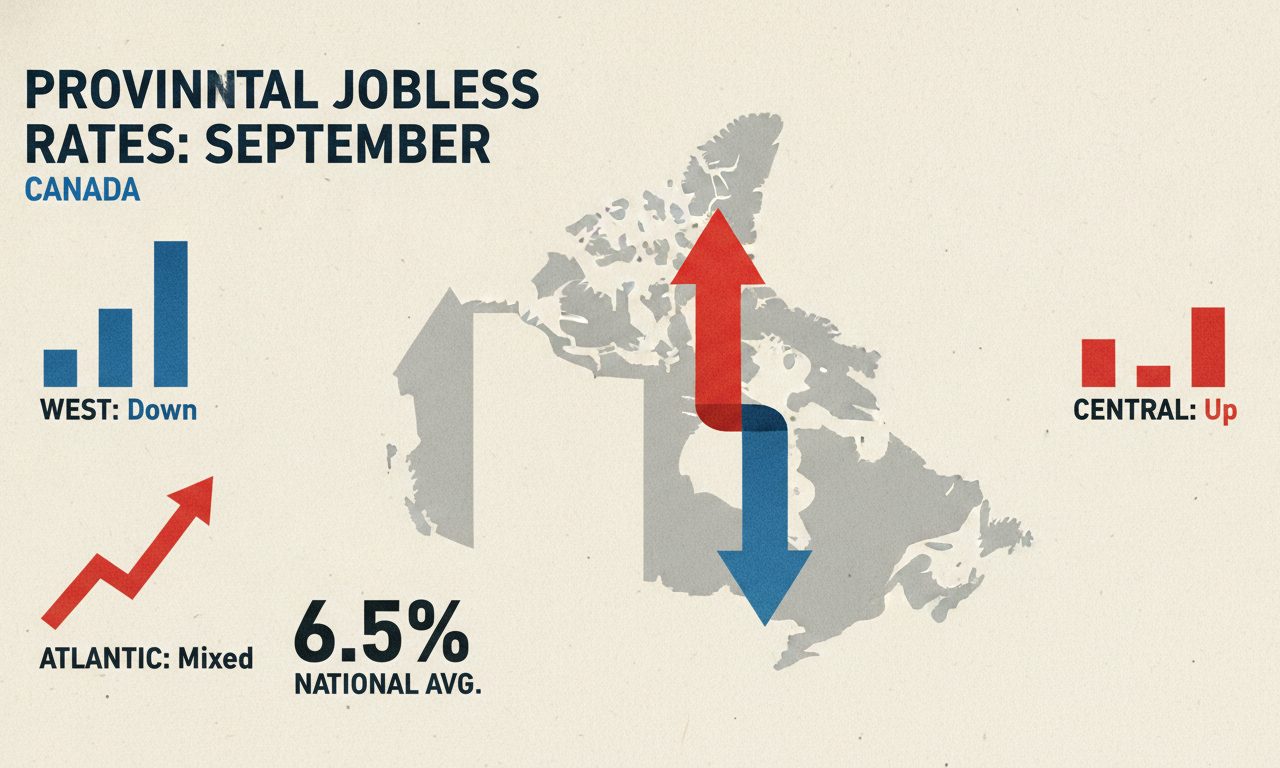
Canada recorded a national unemployment rate of 6.5 per cent in September, according to data released by Statistics Canada on Oct. 9, 2026.
Across Western Canada, British Columbia’s jobless rate shifted to 6.4 per cent from 6.5 per cent in August. Alberta recorded a rate of 6.4 per cent, down from 6.8 per cent the previous month, while Saskatchewan dropped to 5.4 per cent from 6.0 per cent. Manitoba’s unemployment rate remained unchanged at 5.0 per cent.
In Central Canada, Ontario’s unemployment rate rose slightly to 7.0 per cent from 6.9 per cent in August, while Quebec’s rate reached 6.0 per cent, up from 5.6 per cent.
Atlantic Canada and Regional City Data
In Atlantic Canada, Newfoundland and Labrador reported the highest provincial figure at 9.1 per cent, up from 8.6 per cent in August. New Brunswick saw a minor increase to 7.4 per cent from 7.3 per cent, and Nova Scotia rose to 6.3 per cent from 6.1 per cent. Prince Edward Island experienced a decline, moving to 7.3 per cent from 7.9 per cent.
Statistics Canada also tracked seasonally adjusted, three-month moving average rates for major urban areas. However, the agency cautioned that these municipal figures are subject to wide fluctuations due to smaller statistical sample sizes.
Why Residents and Tourists on Mexico’s Pacific Coast Face Severe Threats From Hurricane Simon
Why Calgary Flames Fans Are Searching for Hope Despite a Historic 0-5 Start

Community Support Surges for Family After Fatal Highway Crash Near Chase Claims Two Lives

What a Proposed ICBC Hybrid System Could Mean for B.C. Drivers

Why B.C.’s Conservative Campaign Face is Drawing Scrutiny Over Past Social Media Comments

Where Provincial Jobless Rates Stood in September

Opinion: John Rustad Has to Go

B.C. Supreme Court Grants Cowichan Tribes Title to Historic Richmond Lands and Fishing Rights

Vancouver Canucks Gear Up for a Make-or-Break 2025–26 Season

Province to Appeal Cowichan Tribes Land Decision

Kamloops Prepares Four Reverse Referendums on $188M in Major Projects

Kamloops Blazers Announce Off-Season Changes Ahead of 2025–26 Season
-
 COMMUNITY5 days ago
Why Okanagan Pet Owners Turned to Free BC SPCA Clinics After Wildfire Season
-

 OPINIONS5 days ago
B.C. Election Poll Puts Conservatives Ahead Five Points as Cost of Living Tops Voters’ Concerns
-

 BC STORIES5 days ago
B.C. Patients Could Soon Select Surgical Lists Based on Wait Times Under NDP Plan
-
LOCAL5 days ago
Your Current 3 Day Forecast — October 7, 2026
-
LOCAL7 days ago
Your Current 3 Day Forecast — October 5, 2026
-

 SPORTS6 days ago
BC Lions Hold Off Toronto Argonauts Behind Sean Whyte’s Record Eight Field Goals
-

 BC STORIES4 days ago
Voters face choice on family support as NDP campaign shifts focus away from U.S. tariff threats
-
 BC STORIES5 days ago
Police Request Public Help After Fatal Highway 93 Crash Kills Local Resident