Energy Markets
Middle East Conflict Escalates as Nuclear Sites and Energy Corridors Face Direct Threats
The Middle East war intensifies as strikes hit near nuclear sites and the U.S. issues a 48-hour ultimatum to Iran over the closure of the Strait of Hormuz.

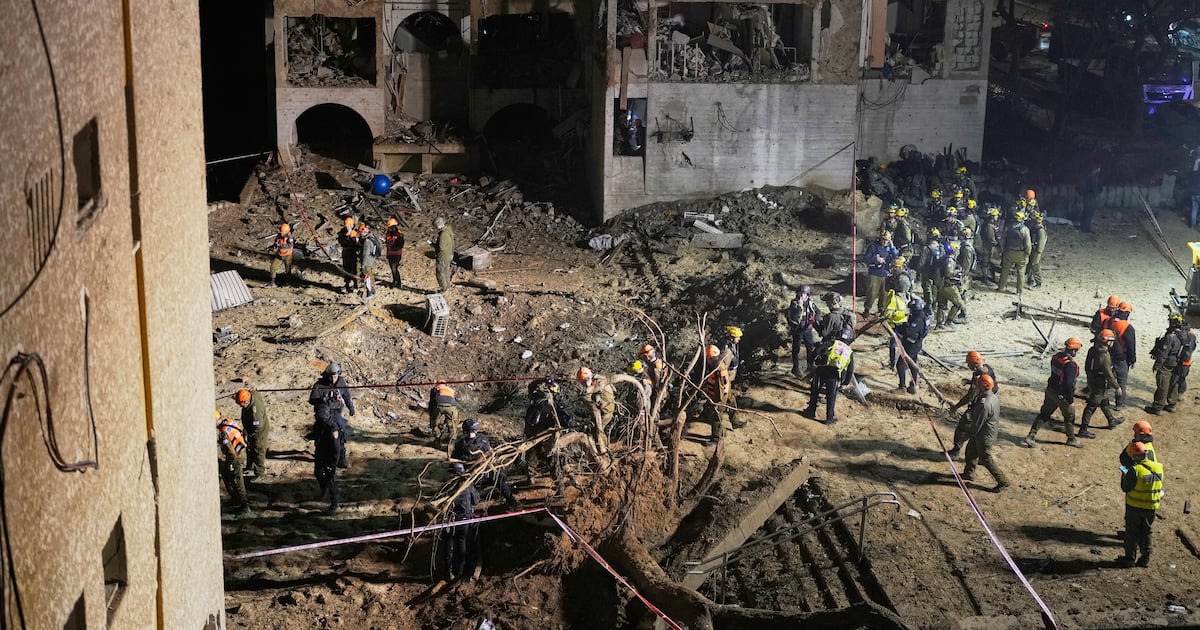
Escalating Hostilities Near Nuclear Facilities
The conflict in the Middle East has entered a perilous new phase as missile strikes landed near sensitive nuclear research sites and major population centers. Over the weekend, Iranian barrages struck the towns of Arad and Dimona in Israel’s Negev Desert, home to the nation’s primary nuclear research facility. While Prime Minister Benjamin Netanyahu described the lack of fatalities in Arad as a \”miracle,\” the proximity of the strikes to nuclear infrastructure has raised international alarms. The UN nuclear watchdog, the IAEA, confirmed it has not yet seen reports of radiation leaks, though the psychological and strategic impact of the strikes signals a shift in Tehran’s willingness to target high-stakes areas.
The Strait of Hormuz Standoff
The economic dimensions of the war have sharpened following the practical closure of the Strait of Hormuz by Iranian forces. With one-fifth of the world’s oil supply currently bottlenecked, global energy markets are bracing for severe volatility. In a significant escalation of rhetoric, U.S. President Donald Trump issued a 48-hour ultimatum, threatening to destroy Iran’s power plants if the waterway is not reopened. Iran’s parliament speaker, Mohammad Bagher Qalibaf, countered with a promise of \”irreversible destruction\” of regional energy and desalination infrastructure should the U.S. follow through, placing the entire region’s power grid and water supply in the crosshairs.
Humanitarian Toll and Regional Involvement
The human cost of the four-week-old war continues to mount, with the death toll in Iran reportedly surpassing 1,500. On the northern front, the Lebanese militant group Hezbollah claimed responsibility for an airstrike that resulted in the first civilian fatality in northern Israel since the conflict’s inception. Meanwhile, Gulf states including Saudi Arabia and the UAE have mobilized to intercept incoming projectiles. The war, which began on February 28, shows no signs of the \”winding down\” previously suggested by the White House, as hospital evacuations and infrastructure damage become increasingly common across the region.

Energy Markets
Middle East Tensions Surge as Tanker Struck in Strait of Hormuz Escalation
A tanker attack in the Strait of Hormuz ignites a fresh escalation between the US and Iran, threatening the recent interim peace deal and global energy stability.

Conflict Reignites in Vital Energy Gateway
The fragile peace between the United States and Iran faced a severe setback on Saturday after a projectile struck a commercial tanker in the Strait of Hormuz. The incident, reported by Britain’s United Kingdom Maritime Trade Operations (UKMTO), marks the second maritime attack in 48 hours and represents the most significant escalation since the two nations signed an interim peace deal just ten days ago. According to security reports, the tanker sustained damage to its bridge, though the crew remains safe.
A Breakdown of the Interim Peace Deal
The escalation follows a series of reciprocal strikes that have threatened to derail the four-month-old conflict’s resolution. Washington confirmed it targeted Iranian positions overnight, while Tehran claimed it struck assets linked to U.S. forces on Saturday. The Joint Maritime Information Center has since raised its security threat level, warning that the world’s most critical energy shipping route is once again a high-risk zone. Iran’s Revolutionary Guard Corps reportedly fired “warning shots” at vessels attempting to bypass Tehran-approved channels, signaling a renewed bid to assert control over the waterway.
Regional Proxies and the Lebanon Connection
The friction stems from accusations of non-compliance regarding the broader ceasefire. Tehran has accused the U.S. of failing to enforce a promised ceasefire in Lebanon, where Israeli forces have been engaged in an offensive against Hezbollah since March. While U.S.-brokered deals were announced as recently as Friday, ongoing Israeli drone strikes in southern Lebanon and Hezbollah’s refusal to disarm have kept the region on edge. In response to U.S. strikes on a communications tower in Sirik, Iran has directed attacks toward Gulf states like Bahrain, which hosts the U.S. Navy’s 5th Fleet.
Market Stability and Diplomatic Fallout
U.S. Vice-President JD Vance, a key negotiator in the conflict, issued a stern warning on social media, stating that “violence will be met with violence.” Despite the exchange of fire, the timing of the escalation—occurring while global markets are closed—may mitigate immediate spikes in oil prices. However, the long-term resolution of the global energy crisis hinges on whether shippers feel safe navigating the strait. While Washington promotes a southern route along Oman, Tehran continues to push for a northern route under its direct jurisdiction and fee structure.

Why B.C.’s Conservative Campaign Face is Drawing Scrutiny Over Past Social Media Comments

Where Provincial Jobless Rates Stood in September
What New Brunswick’s Latest Unemployment Figures Mean for Your Community

Who Is Running in Your Riding for the 2026 BC Election?

How Central Okanagan Residents Can Avoid Costly Household Plumbing Damage This Thanksgiving

BC Supreme Court Judge Set to Rule on Sentence Length for Former Gang Member

Opinion: John Rustad Has to Go

B.C. Supreme Court Grants Cowichan Tribes Title to Historic Richmond Lands and Fishing Rights

Vancouver Canucks Gear Up for a Make-or-Break 2025–26 Season

Province to Appeal Cowichan Tribes Land Decision

Kamloops Prepares Four Reverse Referendums on $188M in Major Projects

Kamloops Blazers Announce Off-Season Changes Ahead of 2025–26 Season
-

 COMMUNITY5 days ago
Why Okanagan Pet Owners Turned to Free BC SPCA Clinics After Wildfire Season
-

 OPINIONS5 days ago
B.C. Election Poll Puts Conservatives Ahead Five Points as Cost of Living Tops Voters’ Concerns
-

 BC STORIES5 days ago
B.C. Patients Could Soon Select Surgical Lists Based on Wait Times Under NDP Plan
-
LOCAL4 days ago
Your Current 3 Day Forecast — October 7, 2026
-

 SPORTS6 days ago
BC Lions Hold Off Toronto Argonauts Behind Sean Whyte’s Record Eight Field Goals
-
LOCAL6 days ago
Your Current 3 Day Forecast — October 5, 2026
-

 BC STORIES4 days ago
Voters face choice on family support as NDP campaign shifts focus away from U.S. tariff threats
-

 BC STORIES5 days ago
Police Request Public Help After Fatal Highway 93 Crash Kills Local Resident