Economy
Ontario to Waive Provincial HST on New Homes in Major Bid to Spark Real Estate Market
Ontario’s Ford government plans to waive the provincial HST on new homes for one year to stimulate the real estate market and boost construction starts.


Emergency Stimulus for Ontario’s Housing Sector
In a bold move to revive a stagnant real estate market, Premier Doug Ford’s government is preparing to waive the provincial portion of the Harmonized Sales Tax (HST) on all new home purchases for a period of one year. The policy, expected to be a centerpiece of Finance Minister Peter Bethlenfalvy’s upcoming spring budget, represents a significant expansion of previous tax-relief efforts aimed at making homeownership more accessible.
Expanding Beyond First-Time Buyers
The revised plan marks a pivot from the government’s initial proposal in the fall economic statement, which had allocated $470 million specifically for first-time homebuyers. Faced with sluggish housing starts and a sector struggling under high interest rates, the provincial government is now moving to offer the discount to all new home purchasers, regardless of their buyer status. Sources suggest the one-year duration is intended to create immediate urgency, preventing potential buyers from waiting on the sidelines.
A Costly Gambit for the Treasury
The financial implications of the tax break are substantial. While the original targeted plan was budgeted at under half a billion dollars, industry sources estimate that waiving the tax for all new homes could cost the Ontario treasury approximately $2 billion. This comes at a precarious time for the province’s finances, as the total provincial debt is projected to surpass $500 billion by 2027, with the current deficit sitting at $13.4 billion.
Meeting Ambitious Housing Targets
The push for stimulus is fueled by the province’s struggle to meet its goal of building 1.5 million homes by 2031. With only 62,561 housing starts recorded in 2025, Ontario is falling well behind the pace required to hit its targets. Finance Minister Bethlenfalvy emphasized the need for stimulus not just for buyers, but for the stability of the construction industry, noting that without new starts today, the province faces a severe supply shortage three to four years down the road.
What Happens Next?
While Housing Minister Rob Flack and Premier Ford have remained tight-lipped on specific details, the Premier hinted at a significant boost for the construction trade during recent caucus meetings. The full details of the tax waiver, including specific price caps and eligibility criteria, will be officially unveiled when the provincial budget is tabled on March 26.


Economy
Global Energy Markets Brace as Iran Threatens Trade Routes Amid US Military Strikes
Iran threatens to block the Strait of Hormuz and other trade routes following fresh US military strikes, causing oil prices to surge amid rising tensions.

Heightened Tensions in the Strait of Hormuz
The geopolitical landscape in the Middle East has reached a critical boiling point as Iran threatens to shutter vital global trade routes in response to a series of fresh military strikes by the United States. Iran’s Revolutionary Guard Corps (IRGC) announced that the Strait of Hormuz would remain closed until the U.S. ceases what Tehran characterizes as “acts of aggression.” This escalation marks a significant breakdown in regional stability, with Iranian officials further warning that other oil and gas export channels could also face disruption if American military operations continue.
US Military Operations and Strategic Response
U.S. Central Command (Centcom) confirmed a series of air, sea, and drone strikes targeting Iranian military assets on Wednesday morning. These operations followed a sustained seven-hour mission overnight designed to degrade Iran’s ability to interfere with commercial shipping in the region. President Donald Trump has intensified the pressure, vowing to target Iran’s civilian infrastructure, including bridges and power plants, should the nation refuse to return to the negotiating table. While these threats have drawn criticism from international bodies regarding potential violations of international law, the U.S. administration maintains a hardline stance to protect maritime commerce.
Economic Fallout and the Collapse of Diplomacy
The immediate impact of the hostilities has been felt across global markets, with oil prices experiencing a sharp surge as tanker traffic through the Strait of Hormuz—a conduit for a significant portion of the world’s petroleum—has virtually stalled. The situation is further complicated by the reinstatement of a U.S. naval blockade on Iranian ports, effectively nullifying a memorandum of understanding reached just last month that had briefly lowered tensions. As diplomatic efforts falter, the IRGC has signaled it will target “other oil and gas export routes” that serve U.S. interests, raising fears of a broader maritime conflict that could paralyze international energy supplies.
Economy
Global Energy Markets Brace as Iran Threatens Trade Routes Amid US Military Strikes
Iran threatens to block the Strait of Hormuz and other trade routes following fresh US military strikes, causing oil prices to surge amid rising tensions.
Heightened Tensions in the Strait of Hormuz
The geopolitical landscape in the Middle East has reached a critical boiling point as Iran threatens to shutter vital global trade routes in response to a series of fresh military strikes by the United States. Iran’s Revolutionary Guard Corps (IRGC) announced that the Strait of Hormuz would remain closed until the U.S. ceases what Tehran characterizes as “acts of aggression.” This escalation marks a significant breakdown in regional stability, with Iranian officials further warning that other oil and gas export channels could also face disruption if American military operations continue.
US Military Operations and Strategic Response
U.S. Central Command (Centcom) confirmed a series of air, sea, and drone strikes targeting Iranian military assets on Wednesday morning. These operations followed a sustained seven-hour mission overnight designed to degrade Iran’s ability to interfere with commercial shipping in the region. President Donald Trump has intensified the pressure, vowing to target Iran’s civilian infrastructure, including bridges and power plants, should the nation refuse to return to the negotiating table. While these threats have drawn criticism from international bodies regarding potential violations of international law, the U.S. administration maintains a hardline stance to protect maritime commerce.
Economic Fallout and the Collapse of Diplomacy
The immediate impact of the hostilities has been felt across global markets, with oil prices experiencing a sharp surge as tanker traffic through the Strait of Hormuz—a conduit for a significant portion of the world’s petroleum—has virtually stalled. The situation is further complicated by the reinstatement of a U.S. naval blockade on Iranian ports, effectively nullifying a memorandum of understanding reached just last month that had briefly lowered tensions. As diplomatic efforts falter, the IRGC has signaled it will target “other oil and gas export routes” that serve U.S. interests, raising fears of a broader maritime conflict that could paralyze international energy supplies.
Economy
Ottawa Defends Deficit Spending as Bridge to Future Economic Growth
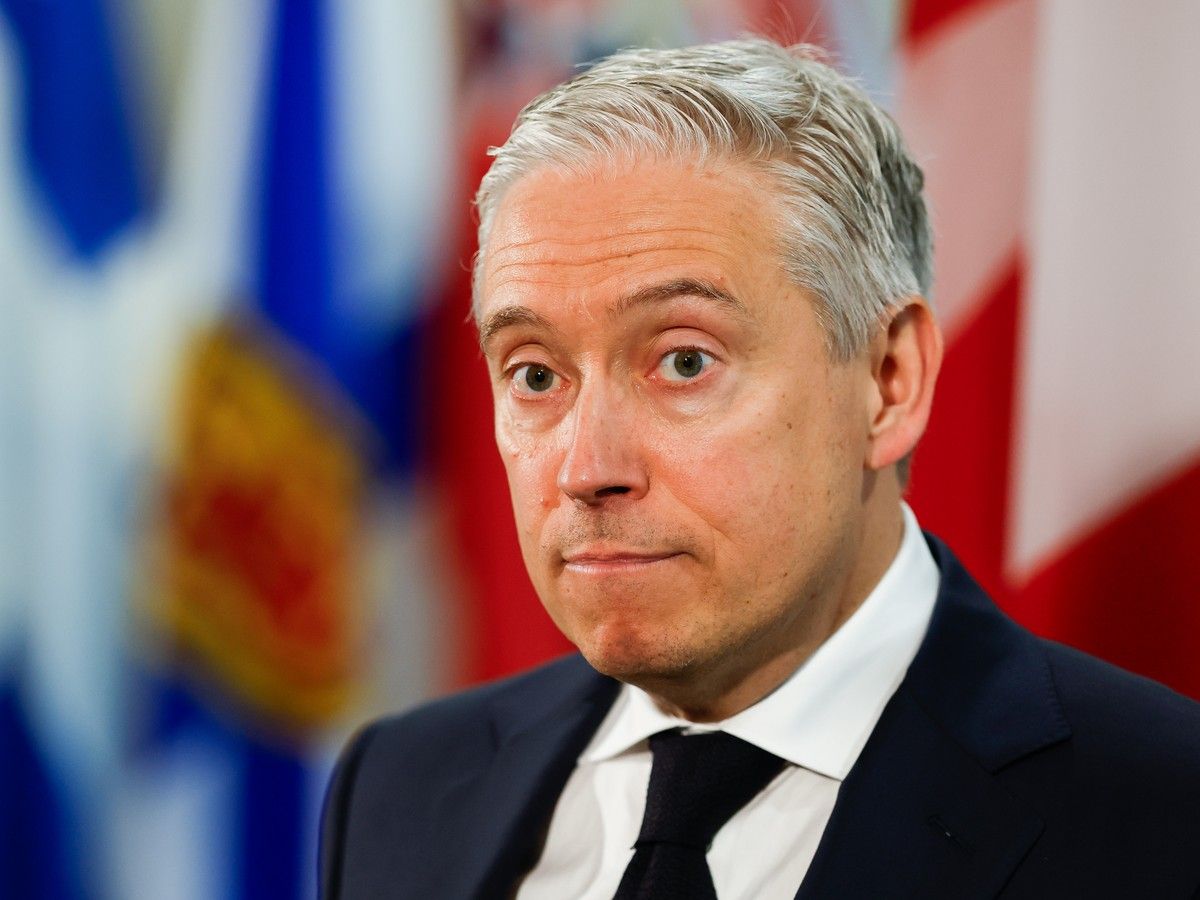
Finance Minister François-Philippe Champagne defends Canada’s deficit spending, citing G7 fiscal strength and future growth plans amid economist skepticism.
Fiscal Strategy vs. Growing Debt Concerns
The federal government is doubling down on its high-spending agenda, signaling that it will rely on projected economic growth to offset significant new expenditures. Speaking in Ottawa ahead of pre-budget consultations, Finance Minister François-Philippe Champagne defended the government’s fiscal trajectory, arguing that strategic investments are necessary to stimulate the national economy despite the reality of rising deficits.
Champagne emphasized that Canada maintains the strongest fiscal position among G7 nations, a metric the government frequently cites to justify increased borrowing. According to the Minister, the current spending focuses on areas that will eventually yield higher productivity and innovation, which he believes will stabilize the country’s debt-to-GDP ratio in the long term.
Skepticism Among Economic Experts
Despite the government’s optimism, many economists remain wary of the reliance on future growth to pay for today’s debts. Don Drummond, a former high-ranking official at the Department of Finance and former TD Bank chief economist, warned that the government may be resting its projections on overly optimistic forecasts. Drummond noted that the assumption of imminent growth mirrors the fiscal mistakes made between the mid-1970s and 1990s, which led to a prolonged period of economic vulnerability.
Critics also point to external threats, such as potential shifts in American trade policy and rising tariffs, which could stifle the growth Ottawa is counting on. While the government has proposed removing interprovincial trade barriers and leveraging defense procurement to spark innovation, analysts argue these measures are unlikely to provide the immediate financial relief needed to cover high-cost projects.
The Road to the Next Federal Budget
The official pre-budget consultation period is now underway, with the government inviting business leaders, think tanks, and the general public to submit their priorities. While the online portal remains open until September 8, the debate over Canada’s fiscal health is intensifying. As the government prepares its next financial roadmap, the central challenge remains balancing the desire for transformative public investment with the necessity of fiscal sustainability in an increasingly volatile global market.

Where Provincial Jobless Rates Stood in September
What New Brunswick’s Latest Unemployment Figures Mean for Your Community

Who Is Running in Your Riding for the 2026 BC Election?

How Central Okanagan Residents Can Avoid Costly Household Plumbing Damage This Thanksgiving

BC Supreme Court Judge Set to Rule on Sentence Length for Former Gang Member

Loss of Newborn Calf Puts Fresh Focus on Endangered Southern Resident Whales

Opinion: John Rustad Has to Go

B.C. Supreme Court Grants Cowichan Tribes Title to Historic Richmond Lands and Fishing Rights

Vancouver Canucks Gear Up for a Make-or-Break 2025–26 Season

Province to Appeal Cowichan Tribes Land Decision

Kamloops Blazers Announce Off-Season Changes Ahead of 2025–26 Season

Kamloops Prepares Four Reverse Referendums on $188M in Major Projects
-

 LOCAL7 days ago
Have You Seen Him? Public Help Sought in Locating Missing Traveller Last Seen in Kamloops
-

 BC STORIES7 days ago
Why a Familiar Political Name is Joining the Kamloops-North Thompson Race
-
LOCAL6 days ago
Your Current 3 Day Forecast — October 4, 2026
-

 LOCAL7 days ago
Two Displaced as Investigators Eye Suspicious Four-Plex Fire in Kelowna
-

 COMMUNITY4 days ago
Why Okanagan Pet Owners Turned to Free BC SPCA Clinics After Wildfire Season
-

 OPINIONS4 days ago
B.C. Election Poll Puts Conservatives Ahead Five Points as Cost of Living Tops Voters’ Concerns
-
 BC STORIES4 days ago
B.C. Patients Could Soon Select Surgical Lists Based on Wait Times Under NDP Plan
-
LOCAL3 days ago
Your Current 3 Day Forecast — October 7, 2026