BC STORIES
Coquihalla Highway Northbound Lanes Shut Down Near Merritt After Major Incident


Key Takeaways
- A significant section of the Coquihalla Highway’s northbound lanes is currently impassable.
- The closure affects a 13-kilometer stretch between Exit 286 and Exit 290, situated near Merritt, British Columbia.
- The disruption is a direct result of a vehicle incident and subsequent extensive recovery operations.
- Motorists traveling through the region should anticipate substantial delays and are advised to seek alternative routes.
The Deep Dive
The Coquihalla Highway, a critical transportation artery linking British Columbia’s Lower Mainland with its Interior, has experienced a major disruption. Northbound traffic has come to a standstill for approximately 13 kilometers near the city of Merritt. This closure impacts the section of the highway situated between Exit 286 and Exit 290, a vital corridor for both commercial transport and public travel. Provincial authorities, through their official road information service, Drive BC, confirmed the incident and the necessity of the extensive road closure.The ongoing situation involves a vehicle incident that necessitates significant recovery efforts. This typically implies a complex scene, potentially involving heavy-duty towing equipment, debris clearance, and a detailed assessment by emergency services. Such operations are often time-consuming, ensuring the safety of both responders and future motorists before the highway can be safely reopened. Commuters and commercial drivers planning to use this route face considerable challenges and delays.
Why It Matters
The Coquihalla Highway plays an indispensable role in British Columbia’s economic and social fabric. Any prolonged closure on this route has far-reaching consequences, impacting supply chains, tourism, and the daily lives of residents. Disruptions like this underscore the vulnerability of major infrastructure to unforeseen events and highlight the importance of robust emergency response systems. Travelers are urged to consult official sources like Drive BC for real-time updates and to factor in extra travel time or make alternative arrangements when planning journeys through the region.








BC STORIES
Unprovoked Grocery Store Incident Leads to Arrest of Three, Including Repeat Offender
Three people, including a BC repeat offender, were arrested by Prince George RCMP following an unprovoked assault at a College Heights Save-On-Foods.

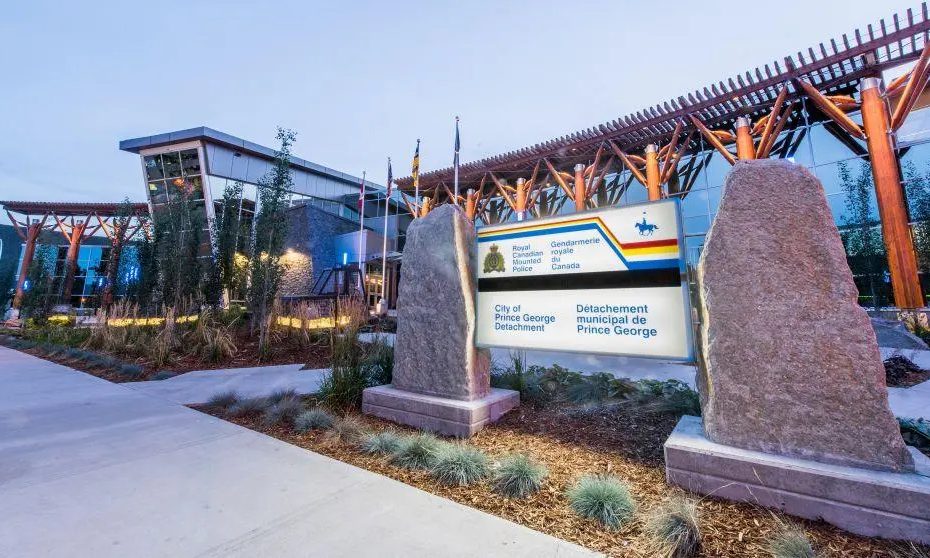
Three Suspects In Custody After College Heights Incident
Three individuals were apprehended by Prince George RCMP on the evening of Saturday, Nov. 14, following reports of an unprovoked attack inside a local Save-On-Foods store.
Emergency calls alerted Mounties to an ongoing assault in the College Heights neighborhood just prior to 7 p.m. Although the trio—consisting of an adult male, an adult female, and a minor—left the scene on foot before police arrived, officers from the General Duty and Problem Oriented Policing units located and detained all three following a search of the surrounding area. They were held in custody overnight ahead of court appearances.
Court Dates and Charges Laid
Formal charges of assault under Section 266 of the Criminal Code of Canada have been filed against each suspect. Among those charged is 24-year-old Dustin Wilson of Prince George, scheduled for a court appearance on Nov. 25. Police noted that Wilson was previously identified as a repeat violent offender under British Columbia’s Repeat Violent Offending Intervention Initiative (ReVOII).
Also charged is 23-year-old Cydney Cardinal, who is set to appear in provincial court on Dec. 3. A 17-year-old female youth from Prince George faces the same charge; her identity remains protected under the Youth Criminal Justice Act.
Police Focus on Workplace Safety
The provincial ReVOII framework tracks individuals with histories of violent crime to assist prosecutors in making decisions that prioritize public safety during judicial proceedings, with program participants historically facing higher rates of pre-trial detention.
Speaking on behalf of the detachment, Sgt. Craig Douglass emphasized police commitment to local safety. Douglass noted that the Problem Oriented Policing Team collaborates directly with Save-On-Foods and nearby businesses to curtail retail crime and prevent related violence, stating that everyone deserves to feel safe in their workplace.
BC STORIES
Police Seek Public’s Help to Map Final Hours of Surrey Man Found in Langley Vehicle Fire
Homicide investigators have identified 25-year-old Tushar Sharma as the victim found in a burned car near Fort Langley in a suspected targeted incident.

Investigation Underway After Body Discovered South of Fort Langley
Homicide detectives are working to reconstruct the final movements of 25-year-old Tushar Sharma after human remains were found inside a burning automobile in rural Langley late last month.
Emergency crews, including local firefighters and RCMP officers, originally arrived at the 23300-block of Rawlison Crescent on Oct. 29 following reports of a vehicle ablaze. The location sits just south of the village of Fort Langley. Upon extinguishing the flames, responders discovered the body, prompting the Integrated Homicide Investigation Team (IHIT) to assume control of the case.
Police Point to Targeted Incident
Authorities confirmed that Sharma, a resident of Surrey, had no criminal record and maintained limited known personal connections within Canada. Investigators are collaborating with the Langley RCMP, the Integrated Forensic Identification Services unit, and the BC Coroners Service to analyze physical evidence and establish a clear chronology leading up to the death.
“IHIT investigators continue to work with Mr. Sharma’s family and friends in Canada and overseas to gain a better understanding of his lifestyle and activities leading up to his death,” said Sgt. Freda Fong of IHIT. “While the motive remains under investigation, evidence to date suggests this was a targeted incident.”
Members of the public who may have information regarding Sharma or the incident are urged to contact IHIT directly at 1-877-551-IHIT (4448) or submit details by email at ihitinfo@rcmp-grc.gc.ca.
BC STORIES
Shrinking Fraser River Sockeye Numbers Threaten B.C. Economy, First Nations Culture, and Local Tourism
Fraser River sockeye salmon returns dropped to 3 million in a dominant year, raising concerns for B.C.’s economy, First Nations culture, and Adams River runs.
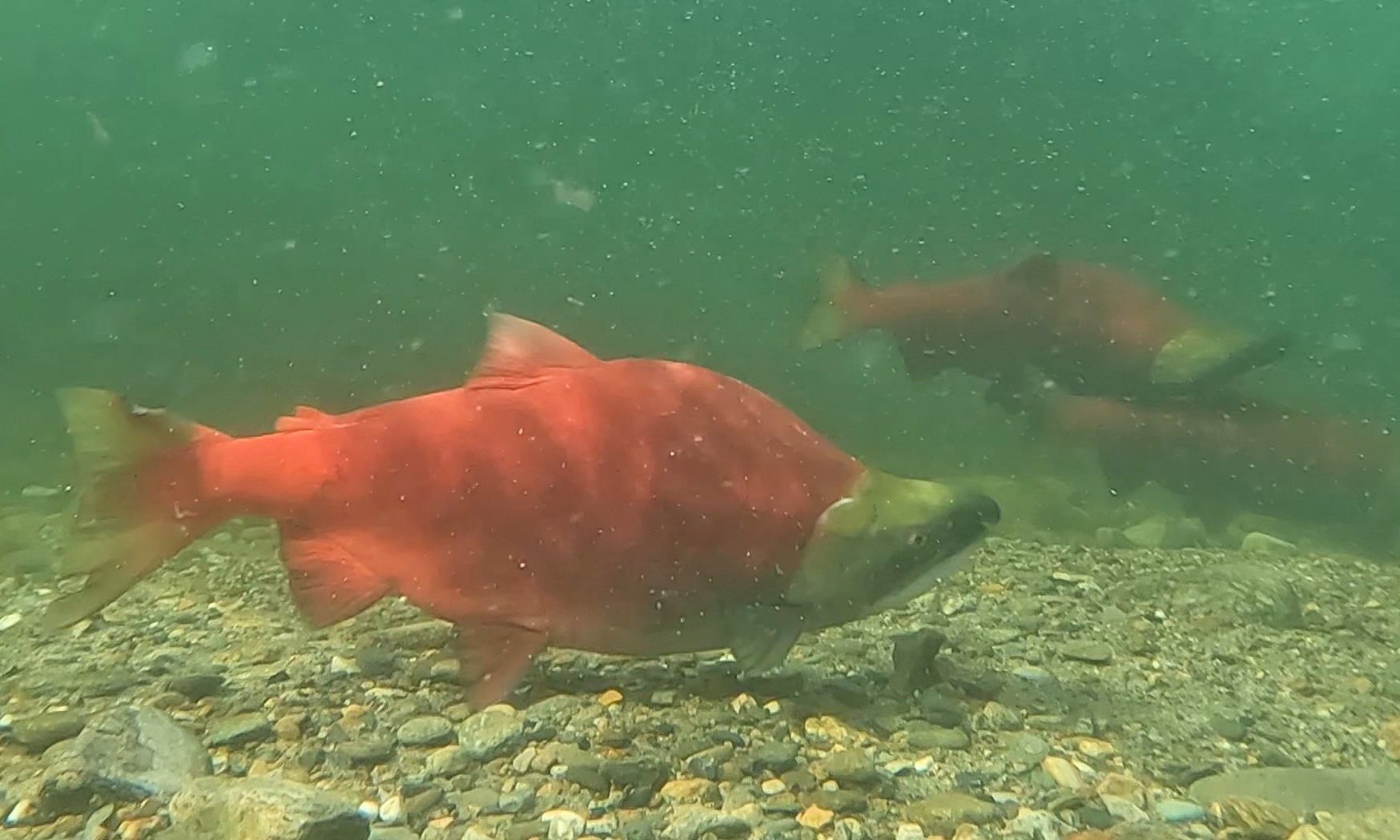
Drastic Drop in Peak-Cycle Sockeye Numbers
This fall’s Fraser River sockeye salmon migration yielded historically low returns for what was expected to be a dominant four-year run. Approximately 3 million sockeye returned to spawn overall, with an estimated 200,000 to 300,000 reaching spawning grounds in the Adams River region. Experts are raising concerns over the low figures, comparing them to 2010 when the same four-year cycle saw nearly 28 million fish return to the Fraser River watershed.
Hwang noted that the sharp drop severely limited access to a resource vital to British Columbia’s economy, First Nations food security and culture, and recreational angling opportunities. While causal factors remain complex, researchers point to changing ocean conditions driven by climate change, along with drought, forest fires, and human activities. In the Thompson-Shuswap region, an action plan by the Thompson-Shuswap Salmon Collaborative indicates that 12 out of 18 salmon populations face at-risk designations from the Committee on the Status of Endangered Wildlife in Canada.
Calls to Revisit National Inquiry Findings
To address the ongoing drop in returns, Hwang suggested reviewing the 75 recommendations made by Justice Bruce Cohen during the late 2000s national commission of inquiry into Fraser River sockeye declines. Many of those costly recommendations have not been fully implemented despite similar low returns in 2009. Hwang likened salmon survival to drawing cards in a card game, where habitat conditions, ocean survival, and migration hurdles combine to dictate yearly success.
Last year saw an unexpected return of around 9 million sockeye compared to the 3 million predicted, bringing social, ecological, and economic benefits. However, Hwang emphasized that humans must work to improve spawning habitat conditions, such as directing river flows into crucial pools and side channels, so fish can recover during favorable years.
Local Observations and Management Challenges
Conservative MP Mel Arnold, who serves as associate shadow minister for fisheries and represents the Adams River area, expressed concern over the downward trend. Recalling the Adams River watershed’s legacy as the “richest 300 acres in the world,” Arnold voiced worry regarding federal cuts to monitoring programs, stressing that effective fisheries management requires tracking habitat, harvest impacts, and the potential role of hatcheries, though he stated he hopes the Adams River run never has to rely on hatcheries.
The local landscape also continues to recover from environmental disturbances, including the 2023 Bush Creek East wildfire that affected Tsútswecw Provincial Park and surrounding watershed areas. While repair efforts persist, visitors currently view spawning fish alongside charred trees. Arnold acknowledged that while some salmon runs across the region are performing better, the Adams River and broader Fraser River sockeye returns remain a mystery.
Tyler Boucher Scores Game-Winner in NHL Debut as Senators Defeat Jets 2-1
Why Cody Fajardo is Staying with the Elks After Bringing the Grey Cup Home to Edmonton

Unprovoked Grocery Store Incident Leads to Arrest of Three, Including Repeat Offender

Police Seek Public’s Help to Map Final Hours of Surrey Man Found in Langley Vehicle Fire
Your Current 3 Day Forecast — November 18, 2026

Shrinking Fraser River Sockeye Numbers Threaten B.C. Economy, First Nations Culture, and Local Tourism

Opinion: John Rustad Has to Go

B.C. Supreme Court Grants Cowichan Tribes Title to Historic Richmond Lands and Fishing Rights

Vancouver Canucks Gear Up for a Make-or-Break 2025–26 Season

Province to Appeal Cowichan Tribes Land Decision

Kamloops Blazers Announce Off-Season Changes Ahead of 2025–26 Season

Kamloops Prepares Four Reverse Referendums on $188M in Major Projects
-
LOCAL6 days ago
Your Current 3 Day Forecast — November 13, 2026
-
LOCAL5 days ago
Your Current 3 Day Forecast — November 14, 2026
-

 COMMUNITY2 days ago
Why Cannonball-Shaped Volcanic Rocks Cover the Cliffs of Summerland
-
 NATIONAL STORIES2 days ago
How a Fake Invoice Cost a Shuswap Business Over $24,000
-
 BC STORIES5 days ago
What to Know as Severe Rainfall Warnings and Flooding Hit Vancouver Island Communities
-

 NATIONAL STORIES2 days ago
House Unanimously Approves Bill Giving Young Offenders Access to Addiction Treatment
-
LOCAL4 days ago
Your Current 3 Day Forecast — November 15, 2026
-
LOCAL7 days ago
Your Current 3 Day Forecast — November 12, 2026