BC STORIES
Inside the New Surrey Med School Preparing B.C.’s Next Generation of Doctors
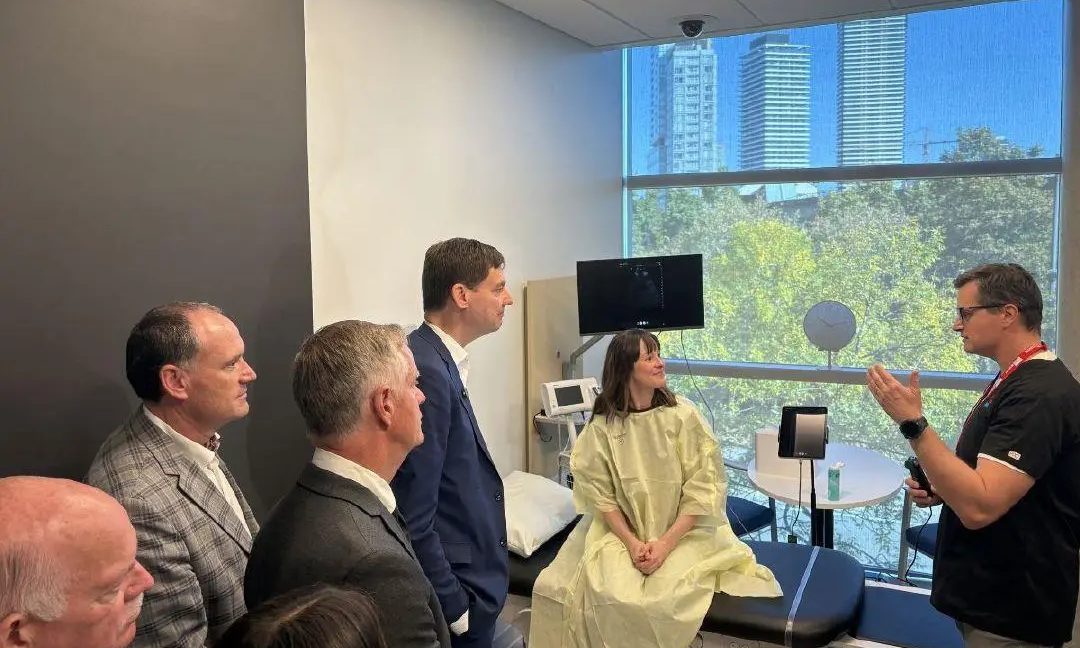
Premier David Eby toured SFU’s new Stephens Family School of Medicine in Surrey, Western Canada’s first new medical school in nearly 60 years.

First Western Canadian Medical School in Decades Opens in Surrey
Western Canada has welcomed its first new medical school in nearly 60 years. Simon Fraser University’s Stephens Family School of Medicine, operating out of an interim space in Surrey, welcomed its inaugural class of 48 students for orientation in August 2026, with graduation scheduled for 2029.
By 2035, the university plans to expand its annual intake to 120 medical students. A permanent facility located at Surrey Centre Block is under construction across the street from the temporary site. Scheduled to open in 2030, the future location will feature purpose-built classrooms, research facilities, clinical spaces, and an outpatient clinic providing direct community care.
Technology-Driven Training in Community Care
B.C. Premier David Eby toured the temporary facility on Sept. 16 to meet the first cohort and review the school’s learning technology. The visit featured interactive demonstrations of medical mannequins, virtual reality tools, point-of-care ultrasound, and simulated patient-care environments.
Among the tools presented was Roman, an AI-powered virtual patient designed by the university. During a live demonstration with Eby, the virtual patient described how the program helps students practice taking medical histories, communicating empathy, and evaluating diagnoses in a low-risk environment. University officials emphasized that these high-tech systems are designed to support, rather than replace, faculty-led human education.
Provincial Focus on Primary Care Access
The new program centers heavily on community-based medicine to support broader efforts to improve primary care access across British Columbia. According to Eby, the province has connected approximately one million residents with a nurse practitioner or family doctor since 2018. During that same period, around 1,400 new doctors and nurse practitioners joined the provincial health system.
Eby noted that approximately 4,000 individuals listed on the Health Connect Registry are currently being matched with a family physician or nurse practitioner each week. Sangeeta Jaswell, a nurse practitioner working at Port Moody’s Urgent and Primary Care Centre, highlighted that tools like the registry and the launch of the new medical school offer valuable opportunities to bolster the province’s primary care workforce.









BC STORIES
Voters face choice on family support as NDP campaign shifts focus away from U.S. tariff threats
B.C. NDP Leader David Eby shifts election campaign focus from Donald Trump’s trade threats to household affordability and health care ahead of the Oct. 24 vote.
Affordability takes center stage in provincial campaign
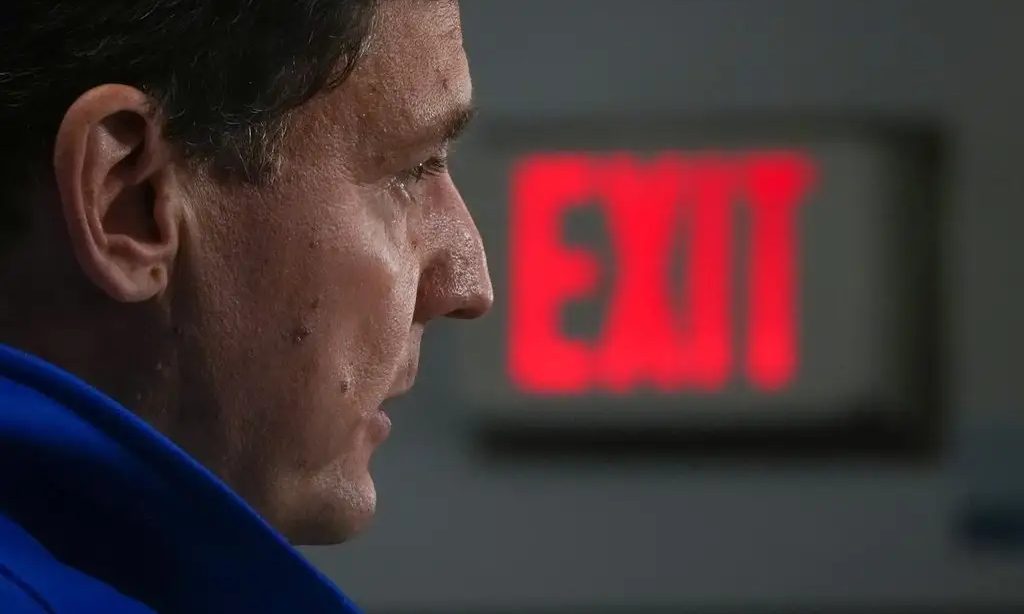
With the provincial election set for Oct. 24, B.C. NDP Leader David Eby is emphasizing cost-of-living challenges over previous warnings about American trade policies. Speaking on Tuesday during a campaign event at the Victoria Curling Club, Eby noted that deciding which party can best assist families during difficult times remains the core issue for voters.
Acknowledging differing views on U.S. leadership
When Eby initiated the snap election on Sept. 22, he framed the campaign around building a “firebreak” to protect British Columbia from Donald Trump’s economic policies and political style. However, the NDP leader now acknowledges that his concerns regarding the U.S. president are not shared by everyone in the province.
“Whether you believe and accept that Trump is making it much worse, it doesn’t matter because you’re still understanding that the cost of living is significant, that we need a strong public health-care system if you and your family get sick,” Eby said.
Opposition calls for action over press releases
The stance comes alongside criticism from interim B.C. Conservative leader Lorne Doerkson, who described Trump at the start of the campaign as an “absolute bully.” Doerkson argued that confronting threats from the U.S. requires concrete action rather than issuing press releases.
Despite varying public anxieties, Eby maintains that U.S. actions continue to exert a real impact on British Columbians, even as his campaign shifts its primary focus back to household budgets and public services.
BC STORIES
B.C. Patients Could Soon Select Surgical Lists Based on Wait Times Under NDP Plan
B.C. NDP Leader David Eby promises eight new MRI machines, 10 CT scanners, and regional surgical waitlists to reduce health-care delays across B.C.
Centralized Waitlists Proposed to Shorten Surgical Delays
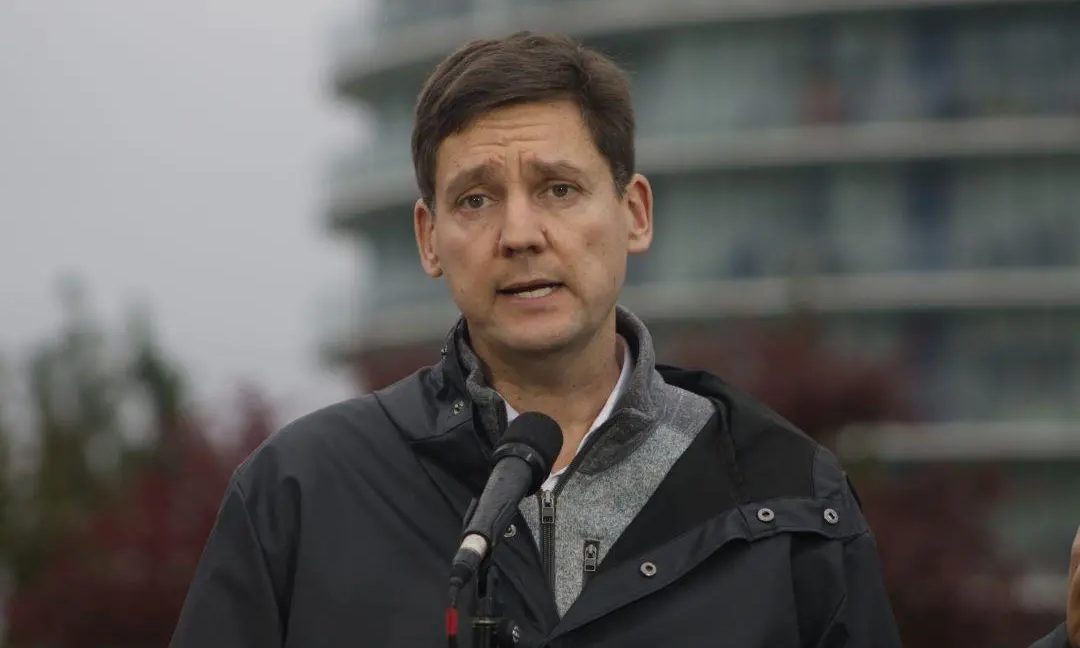
British Columbians undergoing surgery could soon choose their treatment location based on wait times under a new proposal from B.C. NDP Leader David Eby. Speaking in Coquitlam on Tuesday, Oct. 6, Eby outlined a campaign promise to establish co-ordinated regional surgical waitlists if his government wins re-election on Oct. 24. The initiative aims to match patients with available regional capacity, addressing wait times that currently vary between 10 and more than 50 weeks depending on the assigned surgeon.
Eby noted that the centralized system would allow patients to decide whether to undergo procedures at a local hospital, wait for a specific preferred surgeon, or opt for the fastest available opening anywhere in their region.
New Scanners and Targeted Recruitment Planned
Alongside procedural changes, the election pledge includes adding eight MRI machines—including one designated for Eagle Ridge Hospital in Coquitlam—and 10 CT scanners across the province. To operate the expanded diagnostic equipment, Eby announced plans to broaden B.C.’s U.S.-focused health-care recruitment campaign. The hiring effort will target areas facing active staffing shortages, specifically recruiting surgeons, medical lab technicians, and medical imaging technologists.
According to NDP figures, the provincial government has added over 1,800 specialists, 21 MRI units, and 15 CT scanners since taking office in 2017. These additions have contributed to a 108 per cent increase in completed MRI exams and a 61 per cent rise in CT exams.
Specialists Raise Concerns Over Access Times
Despite these additions, specialist wait times remain a critical issue across the province. A June survey conducted with involvement from the Consultant Specialists of BC revealed that nearly one-quarter of British Columbians are currently waiting to see a medical specialist, with that figure expanding by 10 per cent annually.
Dr. Robert Carruthers, president of the Consultant Specialists of BC, stated that the Ministry of Health relies on selective statistics that obscure the full scope of the problem. Carruthers pointed out that official metrics focus primarily on the duration between a specialist consultation and the actual surgery, while ignoring the initial wait required just to secure a first appointment with a specialist.
While the provincial government maintains a public website displaying surgical wait time data, the platform only reflects a snapshot of completed scheduled procedures over a rolling three-month window and is updated bimonthly.
Political Debate Over Health Care Solutions
Eby framed the upcoming provincial vote around healthcare access, contrasting his platform’s focus on diagnostic expansion against opposition proposals. The announcement arrived one day after B.C. Conservative Leader Lorne Doerkson pledged a $50-million dedicated fund aimed at preventing rural emergency room closures.
BC STORIES
What the City of Vernon’s Decision to Cut Ties Means for Historic O’Keefe Ranch
The City of Vernon will not extend its lease for the Historic O’Keefe Ranch in 2027, sparking debate and a petition over the landmark’s future.
City Decides Against Renewing Lease for Historic Site
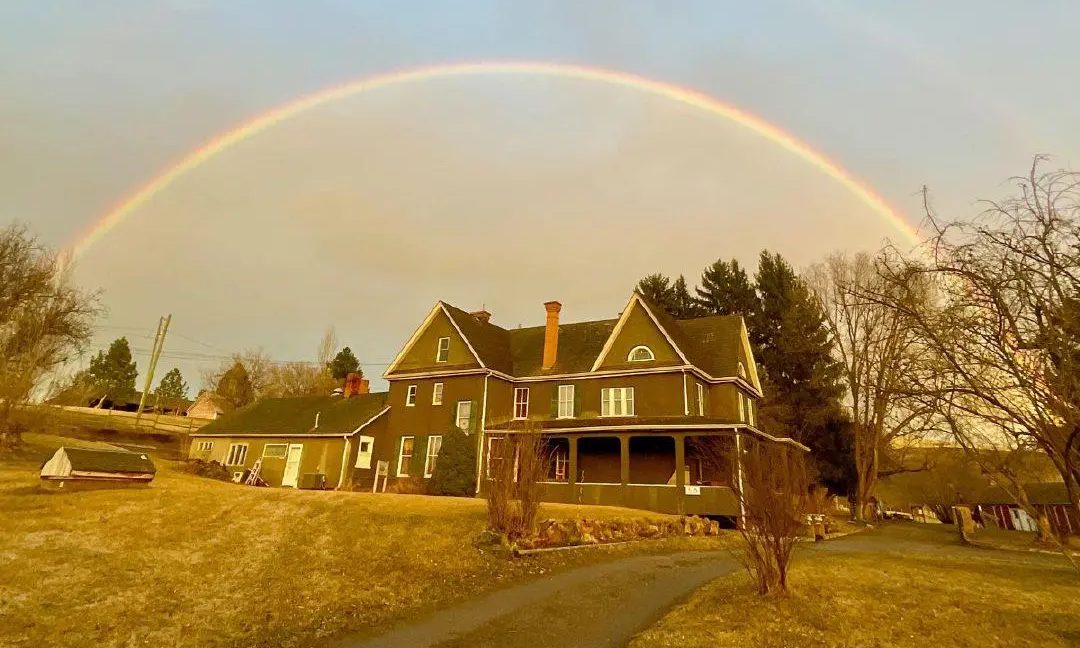
The City of Vernon will end its long-standing operational arrangement with the Historic O’Keefe Ranch and Interior Heritage Society when the ranch’s current lease expires on March 31, 2027. In an Oct. 1 letter sent by chief administrative officer Carey Herd, the municipality stated that the current operating model for the city-owned land is financially unsustainable. The city noted it will not extend the agreement and is reviewing alternative options that aim to secure a sustainable path while honoring the site’s local significance.
Society and Supporters Raise Concerns Over Future
Over the past three decades, the city provided $4.12 million in funding to the site. However, municipal priorities are shifting toward other cultural projects, such as supporting the transition of the Greater Vernon Museum and Archives into the new Greater Vernon Cultural Centre. Society president Douglas MacGregor cautioned that if the organization is forced to dissolve due to the decision, assets and attractions owned by the society would need to be sold. He emphasized that the ranch serves as an essential gathering space, tourism driver, and historical resource for the North Okanagan, highlighting the thousands of volunteer hours spent keeping it operational.
Community Response and Petition Gain Momentum
The announcement has sparked pushback within the region. MP Scott Anderson publicly criticized the city’s move as “shameful” and called on the community to support an online petition at change.org aimed at preserving the historic landmark. As of Monday, Oct. 5, the petition had gathered more than 2,600 signatures. Meanwhile, city officials expressed gratitude in their letter for the contributions made by the society’s volunteers and supporters over nearly 50 years, even as they move forward with exploring new directions for the property.

Why West Coast NHL Fans and Players Will Face Unusual Game Times This Season

Voters face choice on family support as NDP campaign shifts focus away from U.S. tariff threats
Your Current 3 Day Forecast — October 7, 2026

B.C. Election Poll Puts Conservatives Ahead Five Points as Cost of Living Tops Voters’ Concerns

Newcomer Paul Cotter Delivers Overtime Thriller in Canucks’ Season Opener

BC Conservatives Promise $50M Rural Healthcare Fund Amid ER Closures

Opinion: John Rustad Has to Go

B.C. Supreme Court Grants Cowichan Tribes Title to Historic Richmond Lands and Fishing Rights

Vancouver Canucks Gear Up for a Make-or-Break 2025–26 Season

Province to Appeal Cowichan Tribes Land Decision

Kamloops Prepares Four Reverse Referendums on $188M in Major Projects

Kamloops Blazers Announce Off-Season Changes Ahead of 2025–26 Season
-

 BC STORIES5 days ago
Why OneBC’s Interim Leader Is Proposing an Election Pact With Conservatives
-

 BC STORIES7 days ago
BC Greens Pledge Free Childcare by 2031 and Introduce Victoria-Swan Lake Candidate
-

 LOCAL4 days ago
Have You Seen Him? Public Help Sought in Locating Missing Traveller Last Seen in Kamloops
-
 BC STORIES4 days ago
Why a Familiar Political Name is Joining the Kamloops-North Thompson Race
-
LOCAL3 days ago
Your Current 3 Day Forecast — October 4, 2026
-

 HEALTH7 days ago
A Potential New Path to Relief for Behavioral Symptoms of Autism
-

 OPINIONS7 days ago
B.C.’s 93-Riding Scramble: Can the Parties Even Find Enough Candidates?
-
LOCAL6 days ago
Your Current 3 Day Forecast — October 1, 2026