Geopolitics
Middle East Peace at a Crossroads: U.S.-Iran Nuclear Talks Collapsing Over Lebanon Escalation
U.S.-Iran nuclear talks in Switzerland are cancelled following intense fighting in Lebanon. Discover how the Israel-Hezbollah conflict threatens the interim deal.


Fragile Truce Shattered as Conflict Intensifies
Hopes for a diplomatic resolution to the conflict between the United States and Iran have been thrown into jeopardy as scheduled talks in Switzerland were abruptly called off on Friday. The cancellation follows a surge in violence between Israel and the Iran-backed militant group Hezbollah in southern and eastern Lebanon, highlighting the volatility of the current interim peace framework. Iranian officials reportedly refused to travel for the negotiations, demanding a total cessation of hostilities in Lebanon before discussions on their nuclear program can resume.
Military Escalation Threatens Diplomatic Progress
The ground situation in Lebanon has deteriorated rapidly, with the Lebanese Health Ministry reporting at least 21 fatalities. The Israeli military confirmed the deaths of four soldiers, including a lieutenant colonel, following an attack on a tank near the strategic city of Nabatiyeh. In response, Israel launched a series of retaliatory strikes against what it termed “Hezbollah infrastructure sites,” including targets in the Beqaa Valley. Israeli Prime Minister Benjamin Netanyahu has maintained a firm stance, declaring that Israel will continue to enforce a security zone in southern Lebanon as long as necessary, a position that stands in direct conflict with Iran’s demands for a full withdrawal.
Nuclear Security and Global Energy Markets at Stake
The collapse of these talks is particularly significant as they were intended to address Iran’s nuclear program, the core issue that led to the outbreak of war on February 28. While an interim deal has successfully reopened the Strait of Hormuz to international shipping—allowing for the movement of over 12.5 million barrels of oil in a single night—this progress is now under threat. A new Iranian maritime authority has already begun requiring ships to register, signaling a move toward Tehran exerting greater control over this vital global energy artery.
A Growing Rift Between Allies
The escalating violence is also creating diplomatic friction between Israel and the United States. While the White House officially cited logistical issues for Vice President JD Vance’s cancelled trip, reports suggest growing criticism from the Trump administration regarding Netanyahu’s military strategy. With 60 days allotted to reach a permanent nuclear agreement, mediators are now scrambling to reschedule the meetings, knowing that the lucrative incentives offered to Iran—including a $300 billion reconstruction fund—may not be enough to overcome the deepening cycle of violence in Lebanon.

Economics
Trump Reverses Hormuz Shipping Fee as US Reinstates Iran Port Blockade
President Trump replaces the 20% Hormuz cargo fee with Gulf investment deals as the U.S. prepares a naval blockade of Iran amidst rising oil prices and military strikes.
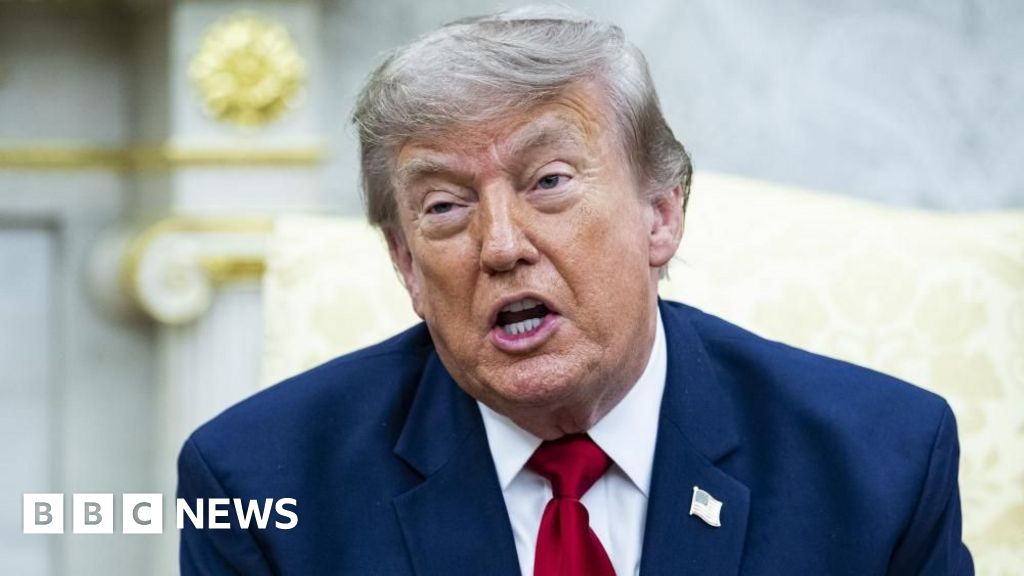
A Shift in Middle Eastern Maritime Strategy
In a rapid reversal of maritime policy, President Donald Trump has scrapped his controversial proposal for a 20% reimbursement fee on all cargo passing through the Strait of Hormuz. The initial threat, intended to offset the costs of U.S. naval protection in the region, has been replaced by a strategy focused on bilateral trade and investment deals with Gulf nations. This pivot comes just hours before the United States is set to resume a full-scale naval blockade of Iranian ports, a move aimed at crippling Tehran’s economic leverage over the global energy supply.
Economic Deals Replace Protection Tolls
Writing on Truth Social, President Trump clarified that the proposed 20% fee would be supplanted by \”massive\” investments from various Gulf States into the U.S. economy. While specific details of these deals remain undisclosed, the President emphasized that the new arrangement would be mutually beneficial. During a meeting with Iraqi Prime Minister Ali al-Zaidi, Trump reiterated his stance that while he disliked the concept of a direct fee, the United States could no longer bear the sole financial burden of securing a waterway that serves the entire world.
Escalating Military Tensions and Oil Market Volatility
The policy shift arrives amidst a period of intense military activity. U.S. Central Command (Centcom) confirmed that a naval blockade of Iranian ports would go into effect as of Tuesday evening. This follows several nights of U.S. strikes intended to degrade Iran’s capability to harass commercial shipping. In response, Iranian state media reported explosions in several cities, including the nuclear hub of Bushehr, while Tehran claimed to have targeted U.S. military facilities in Bahrain and Jordan.
Global Energy Security at Stake
The Strait of Hormuz remains the world’s most vital energy chokepoint, historically accounting for 25% of global oil and 20% of liquefied natural gas transit. Recent shipping data indicates that traffic has plummeted to a two-month low as tankers stall amidst the crossfire. With Brent Crude prices rising sharply, the international community remains on edge. Prime Minister Benjamin Netanyahu has further heightened the stakes, warning that any further Iranian aggression would meet a significantly more powerful Israeli retaliation.
Conflict & Security
Deadly Missile Barrage Overwhelms Kyiv’s Air Defenses Amid Critical Interceptor Shortage
Russia’s latest missile strike on Kyiv kills 18, exposing a critical shortage of Patriot interceptors as Ukraine calls for urgent NATO air defense support.

Russian Strikes Devastate Residential Districts in Kyiv
Russia launched a massive wave of missiles and drones across Ukraine early Monday, resulting in the deaths of at least 18 people and leaving 60 others injured. The bombardment primarily targeted the capital, Kyiv, where 12 deaths were reported, while another six fatalities occurred in the surrounding region. Emergency responders spent the morning combing through the smoking ruins of high-rise residential buildings in the Podilskyi and Darnytsia districts, where direct hits caused partial structural collapses and trapped residents under rubble.
Witnesses described scenes of absolute chaos as explosions blew out windows and severed power lines. Survivors recounted fleeing through smoke-filled stairwells only to find bodies on the street and vehicles exploding from secondary fires. While the Kremlin claimed the strikes were aimed at military production facilities and energy infrastructure, local authorities emphasized that the damage was overwhelmingly concentrated in densely populated civilian areas where people were sleeping.
A Growing Deficit in Air Defense Capabilities
The scale of the devastation has exposed a widening gap in Ukraine’s ability to protect its skies. According to the Ukrainian Air Force, while drones and cruise missiles were largely intercepted, 29 ballistic missiles successfully struck their targets. Military officials noted that Russia is intentionally exploiting a critical shortage of Patriot interceptor missiles—the only systems capable of reliably downing ballistic projectiles.
Air force spokesperson Yurii Ihnat highlighted that the global supply of these interceptors is currently strained, partly due to ongoing conflicts in the Middle East. Ukrainian Defense Minister Mykhailo Fedorov added that Russia is now firing ballistic missiles at a rate that exceeds the global monthly production of interceptor munitions, creating a mathematical deficit that leaves major cities vulnerable.
Diplomatic Pressure Mounts Ahead of NATO Summit
The timing of the attack, coming just days after a strike killed 31 people in Kyiv, appears calculated to pressure Western leaders ahead of a major NATO summit in Ankara. President Volodymyr Zelenskyy has used the tragedy to issue an urgent appeal to U.S. and European partners, arguing that the continued presence of Patriot systems in Allied stockpiles serves as an invitation for further Russian aggression.
As Ukraine prepares for the summit, the primary focus remains securing concrete commitments for expanded air defense batteries. Without a significant influx of hardware and munitions, Kyiv remains at the mercy of Russia’s shifting tactics, which increasingly favor the high-speed ballistic strikes that current defensive grids are struggling to contain.
Energy Markets
Middle East Tensions Surge as Tanker Struck in Strait of Hormuz Escalation
A tanker attack in the Strait of Hormuz ignites a fresh escalation between the US and Iran, threatening the recent interim peace deal and global energy stability.

Conflict Reignites in Vital Energy Gateway
The fragile peace between the United States and Iran faced a severe setback on Saturday after a projectile struck a commercial tanker in the Strait of Hormuz. The incident, reported by Britain’s United Kingdom Maritime Trade Operations (UKMTO), marks the second maritime attack in 48 hours and represents the most significant escalation since the two nations signed an interim peace deal just ten days ago. According to security reports, the tanker sustained damage to its bridge, though the crew remains safe.
A Breakdown of the Interim Peace Deal
The escalation follows a series of reciprocal strikes that have threatened to derail the four-month-old conflict’s resolution. Washington confirmed it targeted Iranian positions overnight, while Tehran claimed it struck assets linked to U.S. forces on Saturday. The Joint Maritime Information Center has since raised its security threat level, warning that the world’s most critical energy shipping route is once again a high-risk zone. Iran’s Revolutionary Guard Corps reportedly fired “warning shots” at vessels attempting to bypass Tehran-approved channels, signaling a renewed bid to assert control over the waterway.
Regional Proxies and the Lebanon Connection
The friction stems from accusations of non-compliance regarding the broader ceasefire. Tehran has accused the U.S. of failing to enforce a promised ceasefire in Lebanon, where Israeli forces have been engaged in an offensive against Hezbollah since March. While U.S.-brokered deals were announced as recently as Friday, ongoing Israeli drone strikes in southern Lebanon and Hezbollah’s refusal to disarm have kept the region on edge. In response to U.S. strikes on a communications tower in Sirik, Iran has directed attacks toward Gulf states like Bahrain, which hosts the U.S. Navy’s 5th Fleet.
Market Stability and Diplomatic Fallout
U.S. Vice-President JD Vance, a key negotiator in the conflict, issued a stern warning on social media, stating that “violence will be met with violence.” Despite the exchange of fire, the timing of the escalation—occurring while global markets are closed—may mitigate immediate spikes in oil prices. However, the long-term resolution of the global energy crisis hinges on whether shippers feel safe navigating the strait. While Washington promotes a southern route along Oman, Tehran continues to push for a northern route under its direct jurisdiction and fee structure.

Where Provincial Jobless Rates Stood in September
What New Brunswick’s Latest Unemployment Figures Mean for Your Community

Who Is Running in Your Riding for the 2026 BC Election?

How Central Okanagan Residents Can Avoid Costly Household Plumbing Damage This Thanksgiving

BC Supreme Court Judge Set to Rule on Sentence Length for Former Gang Member

Loss of Newborn Calf Puts Fresh Focus on Endangered Southern Resident Whales

Opinion: John Rustad Has to Go

B.C. Supreme Court Grants Cowichan Tribes Title to Historic Richmond Lands and Fishing Rights

Vancouver Canucks Gear Up for a Make-or-Break 2025–26 Season

Province to Appeal Cowichan Tribes Land Decision

Kamloops Prepares Four Reverse Referendums on $188M in Major Projects

Kamloops Blazers Announce Off-Season Changes Ahead of 2025–26 Season
-

 LOCAL7 days ago
Have You Seen Him? Public Help Sought in Locating Missing Traveller Last Seen in Kamloops
-

 BC STORIES7 days ago
Why a Familiar Political Name is Joining the Kamloops-North Thompson Race
-
LOCAL6 days ago
Your Current 3 Day Forecast — October 4, 2026
-

 LOCAL7 days ago
Two Displaced as Investigators Eye Suspicious Four-Plex Fire in Kelowna
-

 COMMUNITY4 days ago
Why Okanagan Pet Owners Turned to Free BC SPCA Clinics After Wildfire Season
-

 OPINIONS3 days ago
B.C. Election Poll Puts Conservatives Ahead Five Points as Cost of Living Tops Voters’ Concerns
-

 BC STORIES3 days ago
B.C. Patients Could Soon Select Surgical Lists Based on Wait Times Under NDP Plan
-

 SPORTS5 days ago
BC Lions Hold Off Toronto Argonauts Behind Sean Whyte’s Record Eight Field Goals