LOCAL
NATO Secretary General Mark Rutte Affirms Unwavering US Commitment Amidst Strategic Autonomy Debate
NATO Secretary General Mark Rutte reaffirms the United States’ commitment to the alliance, countering calls for European military autonomy and emphasizing unity.


The Transatlantic Bond Remains Indissoluble
In a significant diplomatic maneuver aimed at stabilizing the internal tremors within the North Atlantic Treaty Organization (NATO), Secretary General Mark Rutte has issued a staunch defense of the United States’ continued involvement in European security. Speaking on Saturday, Rutte addressed the growing apprehension across European capitals regarding the future of the transatlantic alliance, particularly in light of shifting political winds in Washington. His message was unequivocal: the United States remains firmly devoted to the alliance, not merely out of historical sentiment, but as a matter of strategic necessity and mutual benefit. Rutte, who recently transitioned from his long-standing role as the Prime Minister of the Netherlands to the helm of the world’s most powerful military alliance, emphasized that the bond between North America and Europe is the bedrock of global stability. This sentiment pointedly counters recent calls from some European quarters to seek military autonomy separate from American leadership, a concept that Rutte views as both impractical and potentially dangerous for the cohesion of the West.
Countering the Narrative of European Strategic Autonomy
The concept of ‘strategic autonomy’ has gained considerable traction in recent years, spearheaded primarily by French President Emmanuel Macron and supported by various institutional voices in Brussels. These advocates argue that Europe must develop the independent military capacity to protect its interests and project power, fearing that a potential shift in American foreign policy, characterized by isolationism or a pivot toward the Indo-Pacific, could leave the continent vulnerable. However, Secretary General Rutte offered a firm rebuttal to this line of thinking during his Saturday address. While he acknowledged the absolute necessity for European nations to increase their defense spending and modernize their armed forces, he cautioned against any move that would create a functional or psychological disconnect from the United States. According to Rutte, the security of Europe is inextricably linked to the American nuclear umbrella and the vast intelligence, satellite, and logistical capabilities that only the U.S. military can provide at scale. He argued that pursuing autonomy in a way that excludes or diminishes the U.S. role would be a strategic error, potentially fracturing the unity that has deterred major conflict on the continent for over seven decades. For Rutte, the goal should not be autonomy from the U.S., but a more robust European pillar within the NATO framework.
The Burden-Sharing Debate and Domestic Politics
A central theme of Rutte’s address was the perennial issue of burden-sharing, a topic that has often caused friction between Washington and its European allies. For years, American leaders across the political spectrum have called for European allies to meet the agreed-upon target of spending 2% of their GDP on defense. Rutte addressed this directly, noting that while significant progress has been made, with a record number of allies now meeting or exceeding the target, there is still substantial work to be done. He framed the U.S. demand for greater European investment not as a sign of withdrawal or lack of commitment, but as a legitimate call for a more balanced and sustainable partnership. By taking on a greater share of the financial and operational burden, Rutte suggested that European nations actually solidify the American commitment by proving that the alliance is a shared enterprise rather than a one-sided security guarantee. Rutte’s rhetoric appears carefully calibrated to resonate with the American public and policymakers, emphasizing that a stronger, more invested Europe makes for a stronger NATO, which in turn serves American national interests by maintaining a stable international order that benefits global trade and democratic values.
Geopolitical Realities: Ukraine and the Global Stage
The ongoing war in Ukraine served as the somber backdrop to Rutte’s remarks, providing a real-world validation of his thesis. The conflict has acted as a catalyst for NATO’s revitalization, forcing member states to confront the reality of high-intensity industrial warfare in the 21st century. Rutte highlighted that the U.S. leadership in coordinating aid, providing advanced weaponry, and sharing critical intelligence with Kyiv has been the linchpin of the Ukrainian defense. Without the American logistical engine and its sophisticated hardware, the defense of Ukraine would have faced nearly insurmountable odds. This reality, he suggested, proves that European security cannot be managed in a vacuum or through fragmented local initiatives. Furthermore, Rutte touched upon the broader geopolitical landscape, including the rising challenges posed by an increasingly assertive China and the complexities of the Indo-Pacific. He argued that NATO remains the primary forum where the U.S. and its allies can coordinate responses to global threats, whether they originate from traditional state actors or unconventional challenges like cyberwarfare, disinformation, and the weaponization of energy. The Secretary General’s vision is one of an integrated, globalized NATO where the U.S. remains the ‘first among equals,’ providing the necessary gravity to keep the diverse interests of the 32 member states aligned toward a common purpose.
A Call for Unity in Uncertain Times
As the international community looks toward the upcoming NATO summits and the challenges of the next decade, Rutte’s Saturday address serves as a foundational text for his tenure. He is positioning himself as a pragmatist and a bridge-builder, someone capable of navigating the complex domestic politics of member states while maintaining a laser focus on the alliance’s core mission of collective defense under Article 5. By reaffirming the U.S. dedication to NATO, Rutte is attempting to lower the temperature of the ‘strategic autonomy’ debate and refocus energy on practical integration, military readiness, and the expansion of the defense industrial base across the alliance. His conclusion was a call for steadfastness; he urged allies to look past the transient headlines of political campaigns and recognize the enduring, non-partisan value of the transatlantic pact. In an era defined by rapid technological change and escalating geopolitical tensions, Rutte’s NATO is one that seeks strength through cohesion, firmly anchored by the military might and political will of the United States, complemented by a revitalized and increasingly capable Europe. The path forward, according to the Secretary General, is not one of separation or isolation, but of a more profound and equitable partnership that can withstand the tests of the coming decades.

LOCAL
Where Provincial Jobless Rates Stood in September
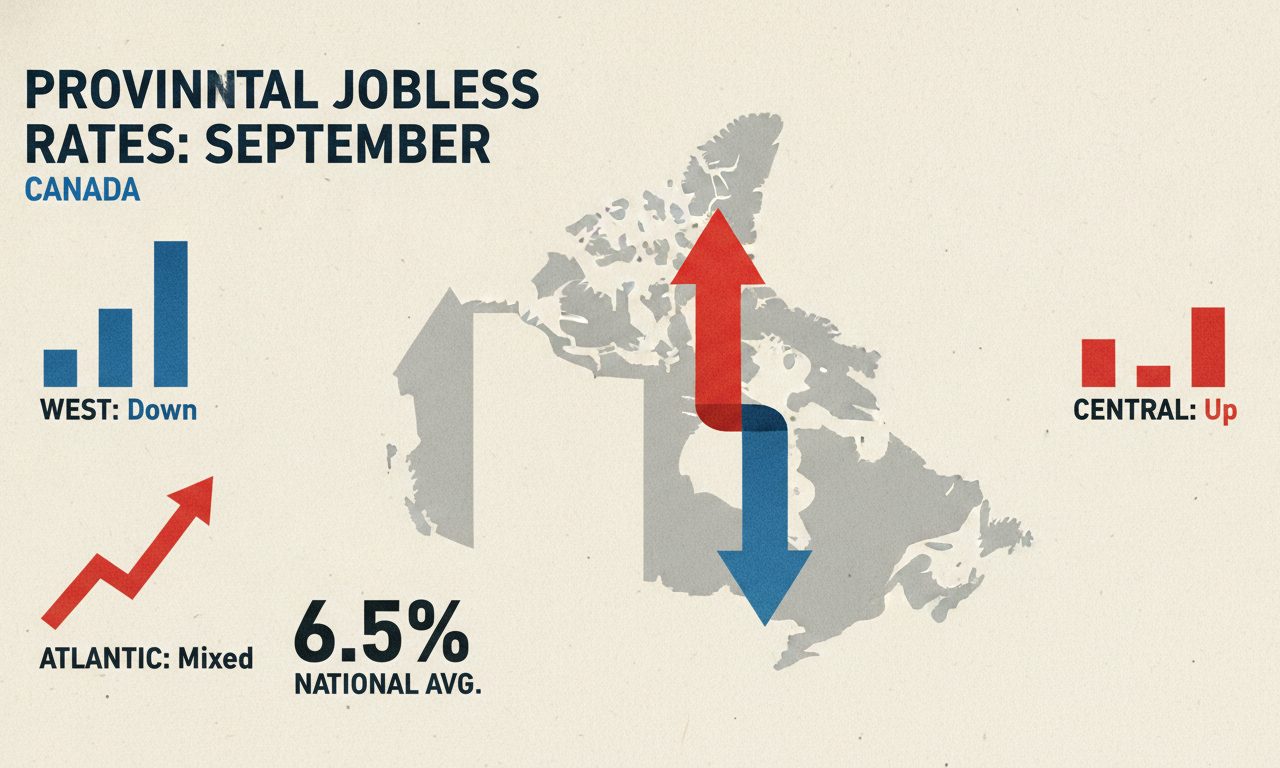
Canada’s national unemployment rate reached 6.5 per cent in September. Explore the full provincial breakdown and regional employment figures from Statistics Canada.

National and Provincial Jobless Figures
Canada recorded a national unemployment rate of 6.5 per cent in September, according to data released by Statistics Canada on Oct. 9, 2026.
Across Western Canada, British Columbia’s jobless rate shifted to 6.4 per cent from 6.5 per cent in August. Alberta recorded a rate of 6.4 per cent, down from 6.8 per cent the previous month, while Saskatchewan dropped to 5.4 per cent from 6.0 per cent. Manitoba’s unemployment rate remained unchanged at 5.0 per cent.
In Central Canada, Ontario’s unemployment rate rose slightly to 7.0 per cent from 6.9 per cent in August, while Quebec’s rate reached 6.0 per cent, up from 5.6 per cent.
Atlantic Canada and Regional City Data
In Atlantic Canada, Newfoundland and Labrador reported the highest provincial figure at 9.1 per cent, up from 8.6 per cent in August. New Brunswick saw a minor increase to 7.4 per cent from 7.3 per cent, and Nova Scotia rose to 6.3 per cent from 6.1 per cent. Prince Edward Island experienced a decline, moving to 7.3 per cent from 7.9 per cent.
Statistics Canada also tracked seasonally adjusted, three-month moving average rates for major urban areas. However, the agency cautioned that these municipal figures are subject to wide fluctuations due to smaller statistical sample sizes.
LOCAL
Who Is Running in Your Riding for the 2026 BC Election?
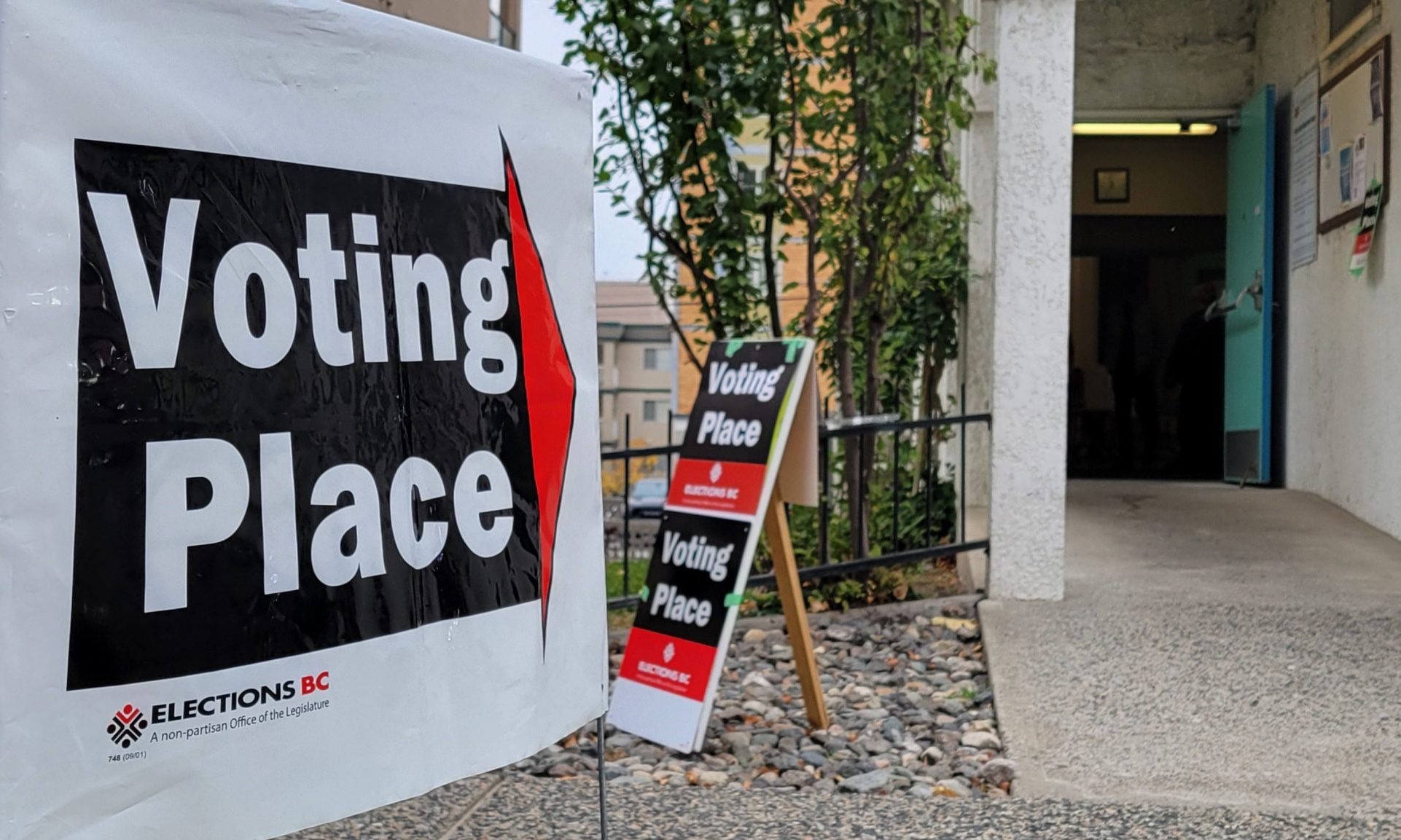
Check the full list of official candidates who have filed nomination papers for Kamloops, Fraser-Nicola, Cariboo-Chilcotin, and Salmon Arm-Shuswap ridings.
Candidates Confirmed Across Five Regional Ridings
Nomination papers have been officially submitted by individuals seeking election as local Members of the Legislative Assembly in the upcoming 2026 BC election.
In Kamloops Centre, voters will see a five-candidate field consisting of incumbent Peter Milobar for the BC Conservatives, Annelise Beach representing the BC Greens, Rocky McAfee for OneBC, Thaelo Proctor running as an Independent, and Mike Wisla representing the BC NDP.
To the north, the Kamloops-North Thompson constituency features incumbent Ward Stamer of the BC Conservatives, alongside Kory Clark running for the BC NDP and Deborah Friesen for OneBC.
Contests Set for Fraser-Nicola, Cariboo-Chilcotin, and Salmon Arm-Shuswap
In the Fraser-Nicola riding, incumbent Conservative Tony Luck faces challenges from Jason Leboe of the BC NDP and Patrick Mitchell of the BC Greens.
The Cariboo-Chilcotin ballot includes incumbent Lorne Doerkson running for the BC Conservatives, Kathryn Askew representing the BC NDP, and Douglas Gook representing the BC Greens.
Meanwhile, five candidates are contesting the Salmon Arm-Shuswap riding. Incumbent David Williams represents the BC Conservatives, joined on the ballot by Gloria Morgan for the BC NDP, Barbara Presch for OneBC, Denise Reimer for CentreBC, and Jed Wiebe for the BC Greens.
COMMUNITY
How Central Okanagan Residents Can Avoid Costly Household Plumbing Damage This Thanksgiving
RDCO warns Central Okanagan residents to dispose of Thanksgiving cooking fats in the garbage to avoid costly sewer blockages and plumbing damage.

Preventing Sewer Overflows During Holiday Gatherings
As Central Okanagan families come together for Thanksgiving between Oct. 10 and Oct. 12, regional officials are offering guidance to keep home plumbing systems safe. Disposing of fats, oils and cooking grease improperly remains the primary reason sewer lines block and overflow throughout the community.
Kit Caufield, Manager of Engineering Services for the Regional District of Central Okanagan (RDCO), explained that grease accumulation inside pipe infrastructure restricts wastewater flow over time. Caufield noted that “Over time, grease builds up inside pipes, restricting wastewater flow and creating problems not only for homeowners, but across the entire sewer system. These blockages can damage household plumbing, result in costly repairs and interfere with critical wastewater infrastructure, including sewer lift stations,”
Proper Waste Disposal Guidelines
To prevent damage to both private plumbing and public infrastructure like sewer lift stations, the RDCO recommends catching leftover food particles using a drain basket or strainer. Residents should pour warm cooking fats into a covered tin container, which can be lined with a cooking bag if intended for reuse. After the grease cools and hardens, the container should be sealed and discarded in the trash.
Additionally, fatty foods such as salad dressings, mayonnaise, and other sauces must be thrown into the garbage rather than rinsed down sinks. For larger quantities of used cooking oil, individuals can take up to two 20-litre pails to the Glenmore Landfill for recycling, though commercial amounts are prohibited. Further details can be found on the RDCO website.

Where Provincial Jobless Rates Stood in September
What New Brunswick’s Latest Unemployment Figures Mean for Your Community

Who Is Running in Your Riding for the 2026 BC Election?

How Central Okanagan Residents Can Avoid Costly Household Plumbing Damage This Thanksgiving

BC Supreme Court Judge Set to Rule on Sentence Length for Former Gang Member

Loss of Newborn Calf Puts Fresh Focus on Endangered Southern Resident Whales

Opinion: John Rustad Has to Go

B.C. Supreme Court Grants Cowichan Tribes Title to Historic Richmond Lands and Fishing Rights

Vancouver Canucks Gear Up for a Make-or-Break 2025–26 Season

Province to Appeal Cowichan Tribes Land Decision

Kamloops Prepares Four Reverse Referendums on $188M in Major Projects

Kamloops Blazers Announce Off-Season Changes Ahead of 2025–26 Season
-

 LOCAL7 days ago
Have You Seen Him? Public Help Sought in Locating Missing Traveller Last Seen in Kamloops
-

 BC STORIES7 days ago
Why a Familiar Political Name is Joining the Kamloops-North Thompson Race
-
LOCAL6 days ago
Your Current 3 Day Forecast — October 4, 2026
-

 LOCAL7 days ago
Two Displaced as Investigators Eye Suspicious Four-Plex Fire in Kelowna
-

 COMMUNITY4 days ago
Why Okanagan Pet Owners Turned to Free BC SPCA Clinics After Wildfire Season
-

 OPINIONS3 days ago
B.C. Election Poll Puts Conservatives Ahead Five Points as Cost of Living Tops Voters’ Concerns
-
 BC STORIES3 days ago
B.C. Patients Could Soon Select Surgical Lists Based on Wait Times Under NDP Plan
-
LOCAL3 days ago
Your Current 3 Day Forecast — October 7, 2026