LOCAL
Navigating the Festive Minefield: The 12 Scams of Christmas and How to Protect Your Holiday Cheer
Stay safe this festive season with our expert guide to the 12 most common Christmas scams. Learn how to identify phishing, charity fraud, and social media schemes to protect your wallet.


The Festive Season’s Dark Side: Navigating the 12 Scams of Christmas
As the winter frost begins to settle and the glow of holiday lights fills the streets, a more sinister transformation takes place in the digital shadows. For cybercriminals and professional fraudsters, the holiday season is not a time for rest, but a peak period of productivity. Recent data from the Federal Bureau of Investigation’s Internet Crime Complaint Center suggests that financial losses during the final quarter of the year often surge by over 20 percent compared to other periods. This spike is driven by a sophisticated array of tactics designed to exploit the urgency, generosity, and occasional distraction that characterize the holiday shopping rush. Understanding these threats is the first step in safeguarding your financial well-being during the most expensive time of the year.
1. The Shipping Notification Deception
With billions of packages crisscrossing the globe, scammers leverage delivery anxiety to steal credentials. Victims receive a text message, often referred to as smishing, claiming a package is held due to an incomplete address or an unpaid customs fee. The link provided leads to a perfectly cloned website of a major courier like FedEx or UPS. Once a user enters their credit card details to pay a nominal redelivery fee, the attackers capture the data for high-value unauthorized purchases. Experts advise always checking the URL and using official apps to track shipments rather than clicking unsolicited links.
2. Social Media Bait-and-Switch Ads
Social media platforms have become a breeding ground for fraudulent retailers. These scammers create short-lived ad campaigns featuring high-demand items, such as the latest gaming consoles or designer apparel, at prices that defy market logic. These ads often lead to ghost stores. After the payment is processed, the store disappears, and the social media account is deleted. In some cases, victims receive a completely unrelated, low-value item to provide a fake tracking number that complicates the credit card dispute process.
3. The Secret Sister Social Media Scam
What appears to be a heartwarming gift exchange on Facebook is actually a mathematical impossibility and a legal liability. The Secret Sister scheme promises that participants will receive up to 36 gifts in exchange for sending one ten dollar item. In reality, this is a classic pyramid scheme. It relies on a constant stream of new recruits, and eventually, the bottom of the pyramid loses their money. Furthermore, the practice requires participants to post their personal home addresses in public forums, opening the door to privacy risks.
4. Exploitative Fake Charities
The spirit of giving is a vulnerability that scammers are quick to exploit. Bogus charities often emerge during the holidays, using names that are subtly different from established organizations. They use high-pressure tactics, often via telephone or unsolicited emails, asking for immediate wire transfers or cryptocurrency donations. Journalistic investigations have shown that almost none of the funds collected by these fake entities ever reach a charitable cause. Always verify a charity via independent watchdogs before donating.
5. The Gift Card Payment Mandate
Gift cards are for gifting, not for paying bills. Scammers posing as IRS agents or utility company representatives will claim that you have an urgent debt. They insist that the only way to resolve the matter and avoid arrest is to purchase gift cards and read the numbers over the phone. This method is preferred by criminals because gift cards are nearly impossible to trace. Legitimate organizations will never demand payment via a retail gift card.
6. Emotional Manipulation: The Grandparent Scam
During the holidays, when family is top of mind, scammers target the elderly with emergency calls. Using voice-cloning AI or high-pressure scripts, they pretend to be a grandchild who has been involved in an accident or arrested while traveling. They beg the victim not to tell other family members and to wire money for bail immediately. This scam plays on deep emotional bonds, often resulting in devastating financial losses for seniors.
7. The Puppy and Pet Scams
The dream of a new pet under the tree is a frequent starting point for fraud. Scammers post listings for non-existent puppies on classified sites. They build rapport with the buyer, sending stolen photos, and then demand payments for specialized climate-controlled shipping or mandatory vaccinations. Once the money is sent via a non-refundable method, the seller vanishes, leaving the family without a pet and without their savings.
8. Malicious Holiday E-Cards
While digital cards are an eco-friendly way to spread cheer, they are often used to deliver malware. Clicking an Open My Card link from an unknown sender can trigger the download of a keylogger, which records every keystroke you make, including bank passwords. Modern malware can sit dormant on a device for months, collecting data before being activated by the hacker during a peak transaction period.
9. Fraudulent Seasonal Job Postings
As retailers scramble for help, scammers post fake remote-work or seasonal positions on legitimate job boards. These listings are designed to harvest personal information. During the onboarding process, victims are asked to provide their Social Security number and bank account details for payroll. In some variations, the employer sends a fake check to purchase home-office equipment, asking the victim to wire the extra funds back to a supplier before the check bounces.
10. Look-alike and Typosquatting Websites
Consumer beware: scammers register domains that are common misspellings of popular brands. These sites are designed to look identical to the real ones. If you do not notice the typo in the URL, you might provide your login credentials and credit card information directly to a criminal database. Always type the URL manually into your browser rather than clicking links in emails.
11. Unsecured Public Wi-Fi Risks
Shoppers often use mall Wi-Fi to compare prices online. However, hackers can set up Evil Twin hotspots with names like Free Mall Wi-Fi. When you connect, they can intercept all data sent from your phone. If you make a purchase while connected, they have your credit card number. It is essential to use a Virtual Private Network or use your cellular data for any financial transactions.
12. The Fake Prize and Unclaimed Credit Pop-ups
As you browse, a window might appear claiming you have won an Amazon gift card or that you have unclaimed loyalty points expiring soon. These pop-ups lead you to a survey site that asks for extensive personal information. At the end, you are asked to pay a small shipping fee for your prize. This is simply another way to capture credit card data and sell your profile to marketing aggregators.
How to Protect Yourself This Season
Vigilance is the most effective tool against holiday fraud. Financial experts recommend using credit cards rather than debit cards for all holiday shopping, as credit cards offer robust federal protections against fraudulent charges. Additionally, enabling multi-factor authentication on all financial accounts adds a critical layer of security. If you suspect you have been targeted, report the incident to the FTC and contact your bank immediately. By staying informed and skeptical, you can ensure that your holiday remains merry and secure.

LOCAL
Where Provincial Jobless Rates Stood in September
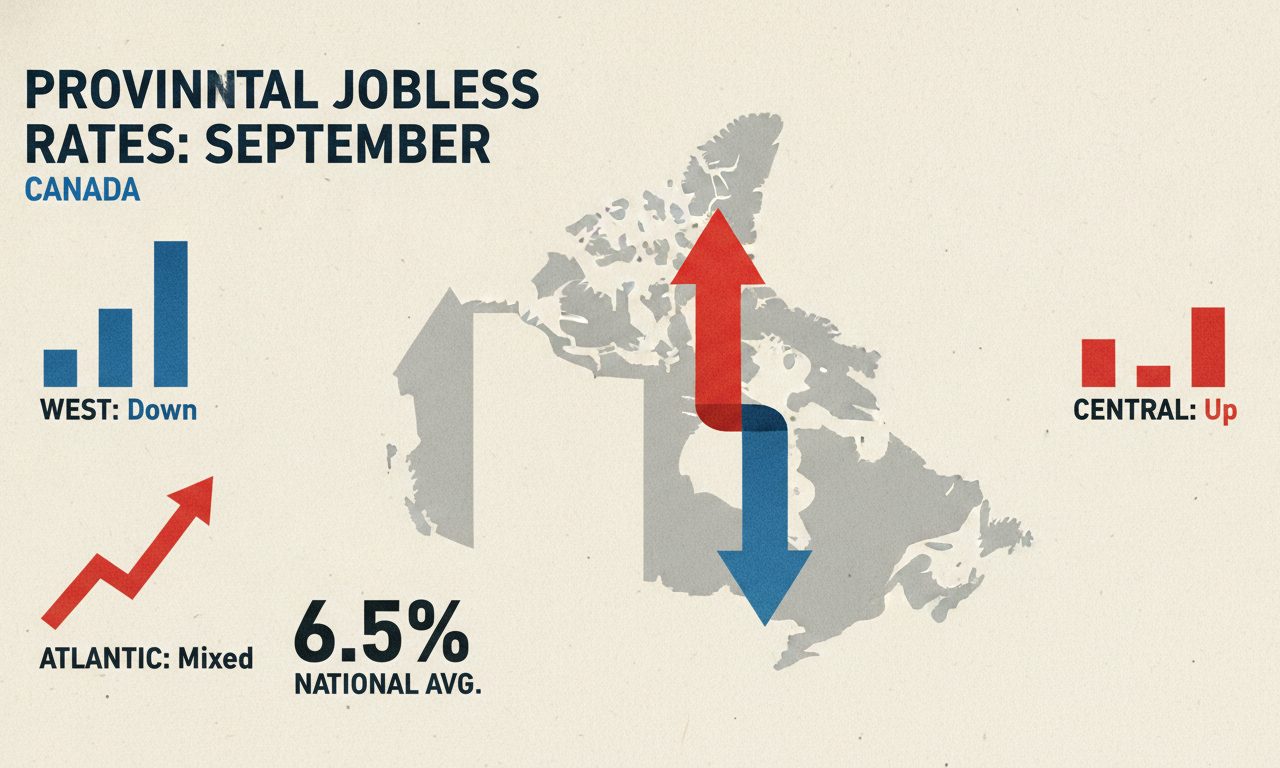
Canada’s national unemployment rate reached 6.5 per cent in September. Explore the full provincial breakdown and regional employment figures from Statistics Canada.

National and Provincial Jobless Figures
Canada recorded a national unemployment rate of 6.5 per cent in September, according to data released by Statistics Canada on Oct. 9, 2026.
Across Western Canada, British Columbia’s jobless rate shifted to 6.4 per cent from 6.5 per cent in August. Alberta recorded a rate of 6.4 per cent, down from 6.8 per cent the previous month, while Saskatchewan dropped to 5.4 per cent from 6.0 per cent. Manitoba’s unemployment rate remained unchanged at 5.0 per cent.
In Central Canada, Ontario’s unemployment rate rose slightly to 7.0 per cent from 6.9 per cent in August, while Quebec’s rate reached 6.0 per cent, up from 5.6 per cent.
Atlantic Canada and Regional City Data
In Atlantic Canada, Newfoundland and Labrador reported the highest provincial figure at 9.1 per cent, up from 8.6 per cent in August. New Brunswick saw a minor increase to 7.4 per cent from 7.3 per cent, and Nova Scotia rose to 6.3 per cent from 6.1 per cent. Prince Edward Island experienced a decline, moving to 7.3 per cent from 7.9 per cent.
Statistics Canada also tracked seasonally adjusted, three-month moving average rates for major urban areas. However, the agency cautioned that these municipal figures are subject to wide fluctuations due to smaller statistical sample sizes.
LOCAL
Who Is Running in Your Riding for the 2026 BC Election?
Check the full list of official candidates who have filed nomination papers for Kamloops, Fraser-Nicola, Cariboo-Chilcotin, and Salmon Arm-Shuswap ridings.
Candidates Confirmed Across Five Regional Ridings
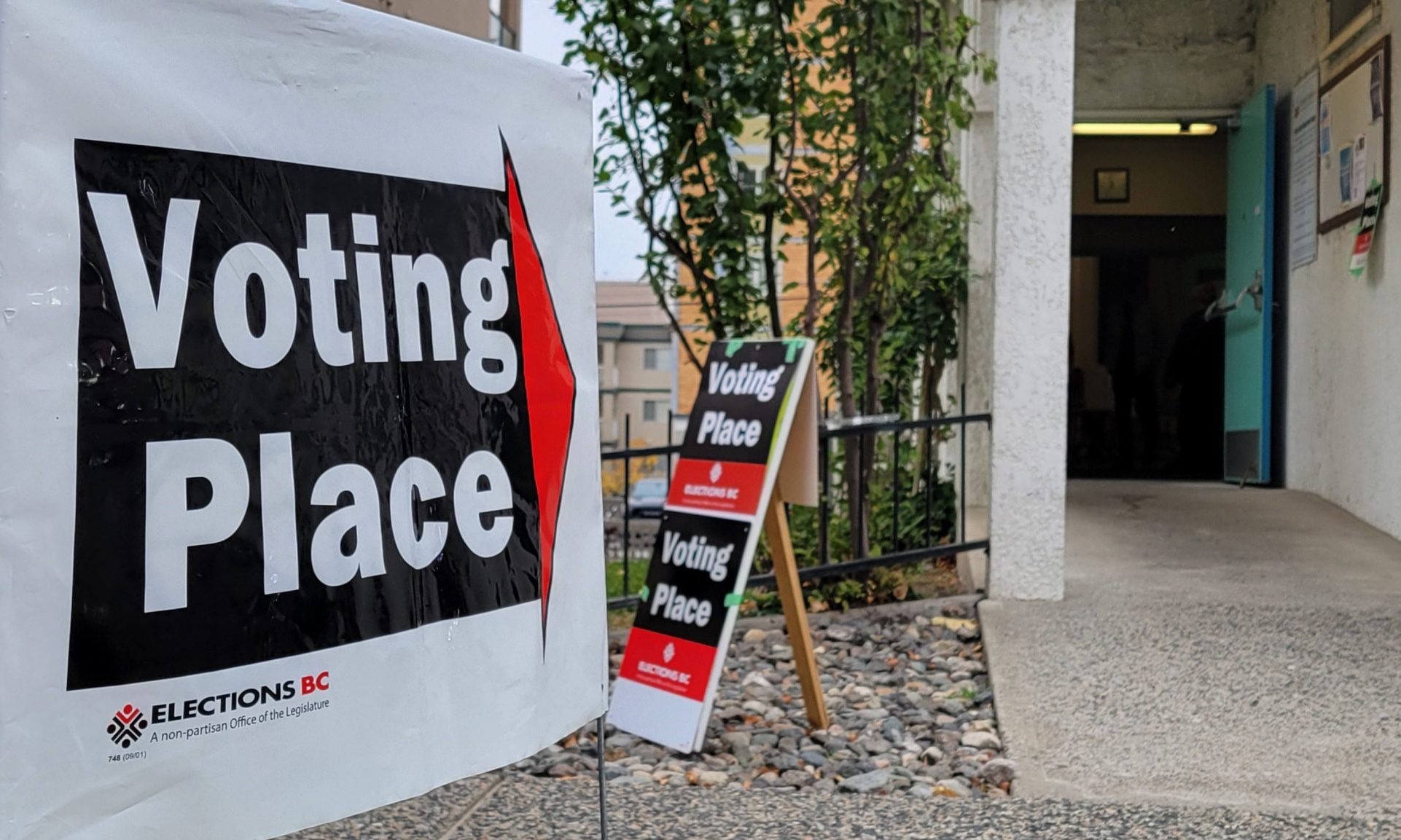
Nomination papers have been officially submitted by individuals seeking election as local Members of the Legislative Assembly in the upcoming 2026 BC election.
In Kamloops Centre, voters will see a five-candidate field consisting of incumbent Peter Milobar for the BC Conservatives, Annelise Beach representing the BC Greens, Rocky McAfee for OneBC, Thaelo Proctor running as an Independent, and Mike Wisla representing the BC NDP.
To the north, the Kamloops-North Thompson constituency features incumbent Ward Stamer of the BC Conservatives, alongside Kory Clark running for the BC NDP and Deborah Friesen for OneBC.
Contests Set for Fraser-Nicola, Cariboo-Chilcotin, and Salmon Arm-Shuswap
In the Fraser-Nicola riding, incumbent Conservative Tony Luck faces challenges from Jason Leboe of the BC NDP and Patrick Mitchell of the BC Greens.
The Cariboo-Chilcotin ballot includes incumbent Lorne Doerkson running for the BC Conservatives, Kathryn Askew representing the BC NDP, and Douglas Gook representing the BC Greens.
Meanwhile, five candidates are contesting the Salmon Arm-Shuswap riding. Incumbent David Williams represents the BC Conservatives, joined on the ballot by Gloria Morgan for the BC NDP, Barbara Presch for OneBC, Denise Reimer for CentreBC, and Jed Wiebe for the BC Greens.
COMMUNITY
How Central Okanagan Residents Can Avoid Costly Household Plumbing Damage This Thanksgiving
RDCO warns Central Okanagan residents to dispose of Thanksgiving cooking fats in the garbage to avoid costly sewer blockages and plumbing damage.

Preventing Sewer Overflows During Holiday Gatherings
As Central Okanagan families come together for Thanksgiving between Oct. 10 and Oct. 12, regional officials are offering guidance to keep home plumbing systems safe. Disposing of fats, oils and cooking grease improperly remains the primary reason sewer lines block and overflow throughout the community.
Kit Caufield, Manager of Engineering Services for the Regional District of Central Okanagan (RDCO), explained that grease accumulation inside pipe infrastructure restricts wastewater flow over time. Caufield noted that “Over time, grease builds up inside pipes, restricting wastewater flow and creating problems not only for homeowners, but across the entire sewer system. These blockages can damage household plumbing, result in costly repairs and interfere with critical wastewater infrastructure, including sewer lift stations,”
Proper Waste Disposal Guidelines
To prevent damage to both private plumbing and public infrastructure like sewer lift stations, the RDCO recommends catching leftover food particles using a drain basket or strainer. Residents should pour warm cooking fats into a covered tin container, which can be lined with a cooking bag if intended for reuse. After the grease cools and hardens, the container should be sealed and discarded in the trash.
Additionally, fatty foods such as salad dressings, mayonnaise, and other sauces must be thrown into the garbage rather than rinsed down sinks. For larger quantities of used cooking oil, individuals can take up to two 20-litre pails to the Glenmore Landfill for recycling, though commercial amounts are prohibited. Further details can be found on the RDCO website.

Where Provincial Jobless Rates Stood in September
What New Brunswick’s Latest Unemployment Figures Mean for Your Community

Who Is Running in Your Riding for the 2026 BC Election?

How Central Okanagan Residents Can Avoid Costly Household Plumbing Damage This Thanksgiving

BC Supreme Court Judge Set to Rule on Sentence Length for Former Gang Member

Loss of Newborn Calf Puts Fresh Focus on Endangered Southern Resident Whales

Opinion: John Rustad Has to Go

B.C. Supreme Court Grants Cowichan Tribes Title to Historic Richmond Lands and Fishing Rights

Vancouver Canucks Gear Up for a Make-or-Break 2025–26 Season

Province to Appeal Cowichan Tribes Land Decision

Kamloops Blazers Announce Off-Season Changes Ahead of 2025–26 Season

Kamloops Prepares Four Reverse Referendums on $188M in Major Projects
-
LOCAL6 days ago
Your Current 3 Day Forecast — October 4, 2026
-

 COMMUNITY4 days ago
Why Okanagan Pet Owners Turned to Free BC SPCA Clinics After Wildfire Season
-

 OPINIONS4 days ago
B.C. Election Poll Puts Conservatives Ahead Five Points as Cost of Living Tops Voters’ Concerns
-

 BC STORIES4 days ago
B.C. Patients Could Soon Select Surgical Lists Based on Wait Times Under NDP Plan
-
LOCAL3 days ago
Your Current 3 Day Forecast — October 7, 2026
-

 SPORTS5 days ago
BC Lions Hold Off Toronto Argonauts Behind Sean Whyte’s Record Eight Field Goals
-
LOCAL5 days ago
Your Current 3 Day Forecast — October 5, 2026
-

 BC STORIES4 days ago
Police Request Public Help After Fatal Highway 93 Crash Kills Local Resident