LOCAL
Trade War Casualties: Why Kentucky’s Bourbon Industry is Going Dark Amid Canadian Retaliatory Tariffs
Explore the impact of the US-Canada trade war on Kentucky’s bourbon industry as retaliatory tariffs force distilleries to go dark, featuring insights from expert Fred Minnick.


The Silent Stills of the Bluegrass State
In the rolling hills of Kentucky, the heart of American whiskey production, a disturbing silence has begun to settle over once-bustling facilities. For centuries, the rhythmic hum of copper stills and the sweet, heavy aroma of fermenting mash have been the pulse of the Commonwealth’s economy. However, as international trade tensions boil over, the industry is facing a crisis that transcends simple market fluctuations. A prominent Kentucky distillery has officially ‘gone dark,’ ceasing its operations in a move that industry insiders describe as a direct consequence of the escalating trade war between the United States and its northern neighbor, Canada. This shutdown is not merely a corporate restructuring but a symbolic and literal blow to a heritage industry that has defined Kentucky for generations.
The Catalyst: A Geopolitical Chess Match
The origins of this industrial blackout can be traced back to a series of aggressive trade maneuvers. When the United States government implemented heavy tariffs on imported steel and aluminum from key allies, citing national security concerns, the global response was swift and surgical. Canada, long considered one of America’s most stable and significant trading partners, was forced to respond with its own list of retaliatory measures. In a calculated effort to exert maximum political pressure, Canadian officials targeted high-profile, culturally significant American products. Bourbon, being the crown jewel of Kentucky and a major export to the Canadian market, was placed squarely in the crosshairs. The resulting tariffs on American whiskey have made it prohibitively expensive for Canadian consumers, leading to a precipitous drop in demand and a mounting surplus of aging liquid that has nowhere to go.
Expert Warning: ‘A Sad Day for Bourbon’
The gravity of the situation was perhaps best captured by Fred Minnick, a world-renowned whiskey expert and the leading voice in spirits journalism. Minnick, who has spent his career documenting the rise and resilience of the bourbon industry, did not mince words when discussing the distillery’s closure. ‘It’s a sad day for bourbon, to be honest with you,’ Minnick stated in a recent address. His assessment reflects a deeper concern that these trade disputes are eroding decades of brand-building and market expansion. According to Minnick, the impact of these tariffs is felt most acutely by the craft producers and independent distillers who lack the massive capital reserves of global conglomerates. For these smaller players, the loss of a major export market like Canada is not just a setback, it is an existential threat. Minnick warned that the longer these tariffs remain in place, the more permanent the damage to Kentucky’s global reputation will become.
The Economic Ripple Effect Through Kentucky
The Kentucky bourbon industry is far more than just a collection of distilleries; it is a complex ecosystem that supports thousands of families. It is an $8.6 billion industry that generates more than 20,000 jobs in the Commonwealth alone. When a distillery goes dark, the economic ripple effect is felt immediately and painfully. Farmers who grow the corn and rye used in the mash bills are seeing their contracts canceled. Coopers who craft the charred white oak barrels are experiencing a sharp decline in orders. Even the local tourism sector, which relies heavily on the ‘Bourbon Trail’ to draw visitors from around the world, is bracing for a downturn. The closure of a distillery represents a loss of tax revenue for local schools, infrastructure, and public services, turning a global trade dispute into a local catastrophe for small-town Kentucky.
The Long Road to Market Recovery
Industry analysts point out that the damage caused by these tariffs is not easily undone. Once a brand is priced out of a foreign market, competitors from other regions, such as Scotch, Irish whiskey, or even Canadian rye, are quick to fill the void on retail shelves. Reclaiming that shelf space and winning back consumer loyalty is an expensive and time-consuming process that can take years, if not decades. For Kentucky distillers, the current climate is one of deep uncertainty. Many had invested billions in expanding their warehouses and production capacity based on the projected growth of international exports. Now, those investments are sitting idle as the industry waits for a diplomatic breakthrough that seems increasingly elusive. The ‘dark’ distillery stands as a stark warning: the tools of trade policy, while designed to protect domestic interests, can often end up wounding the very industries they were meant to support.
A Call for De-escalation
As the sun sets over the silent warehouses of Kentucky, the message from the distillers, the experts, and the workers is unified: a plea for a return to stable, predictable trade relations. The bourbon industry has survived Prohibition, two World Wars, and numerous economic depressions, but the current era of protectionism presents a unique and modern challenge. Until the retaliatory tariffs are lifted, the amber liquid will remain locked in its barrels, and the stills will remain cold. The hope remains that policymakers will recognize the human and cultural cost of these economic battles before more of Kentucky’s historic distilleries are forced to turn off the lights for good. For now, the industry watches and waits, mourning a ‘sad day’ while hoping for a brighter, more open future for America’s native spirit.

LOCAL
Where Provincial Jobless Rates Stood in September
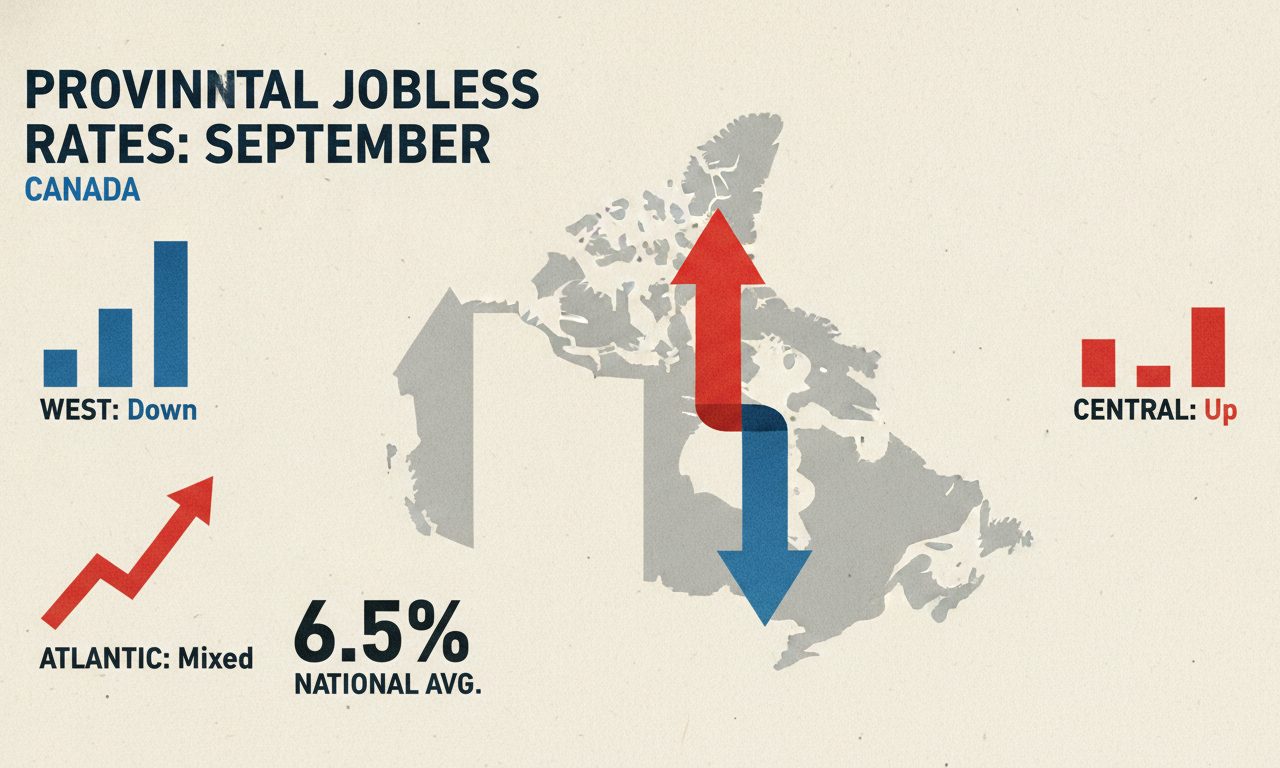
Canada’s national unemployment rate reached 6.5 per cent in September. Explore the full provincial breakdown and regional employment figures from Statistics Canada.

National and Provincial Jobless Figures
Canada recorded a national unemployment rate of 6.5 per cent in September, according to data released by Statistics Canada on Oct. 9, 2026.
Across Western Canada, British Columbia’s jobless rate shifted to 6.4 per cent from 6.5 per cent in August. Alberta recorded a rate of 6.4 per cent, down from 6.8 per cent the previous month, while Saskatchewan dropped to 5.4 per cent from 6.0 per cent. Manitoba’s unemployment rate remained unchanged at 5.0 per cent.
In Central Canada, Ontario’s unemployment rate rose slightly to 7.0 per cent from 6.9 per cent in August, while Quebec’s rate reached 6.0 per cent, up from 5.6 per cent.
Atlantic Canada and Regional City Data
In Atlantic Canada, Newfoundland and Labrador reported the highest provincial figure at 9.1 per cent, up from 8.6 per cent in August. New Brunswick saw a minor increase to 7.4 per cent from 7.3 per cent, and Nova Scotia rose to 6.3 per cent from 6.1 per cent. Prince Edward Island experienced a decline, moving to 7.3 per cent from 7.9 per cent.
Statistics Canada also tracked seasonally adjusted, three-month moving average rates for major urban areas. However, the agency cautioned that these municipal figures are subject to wide fluctuations due to smaller statistical sample sizes.
LOCAL
Who Is Running in Your Riding for the 2026 BC Election?
Check the full list of official candidates who have filed nomination papers for Kamloops, Fraser-Nicola, Cariboo-Chilcotin, and Salmon Arm-Shuswap ridings.
Candidates Confirmed Across Five Regional Ridings
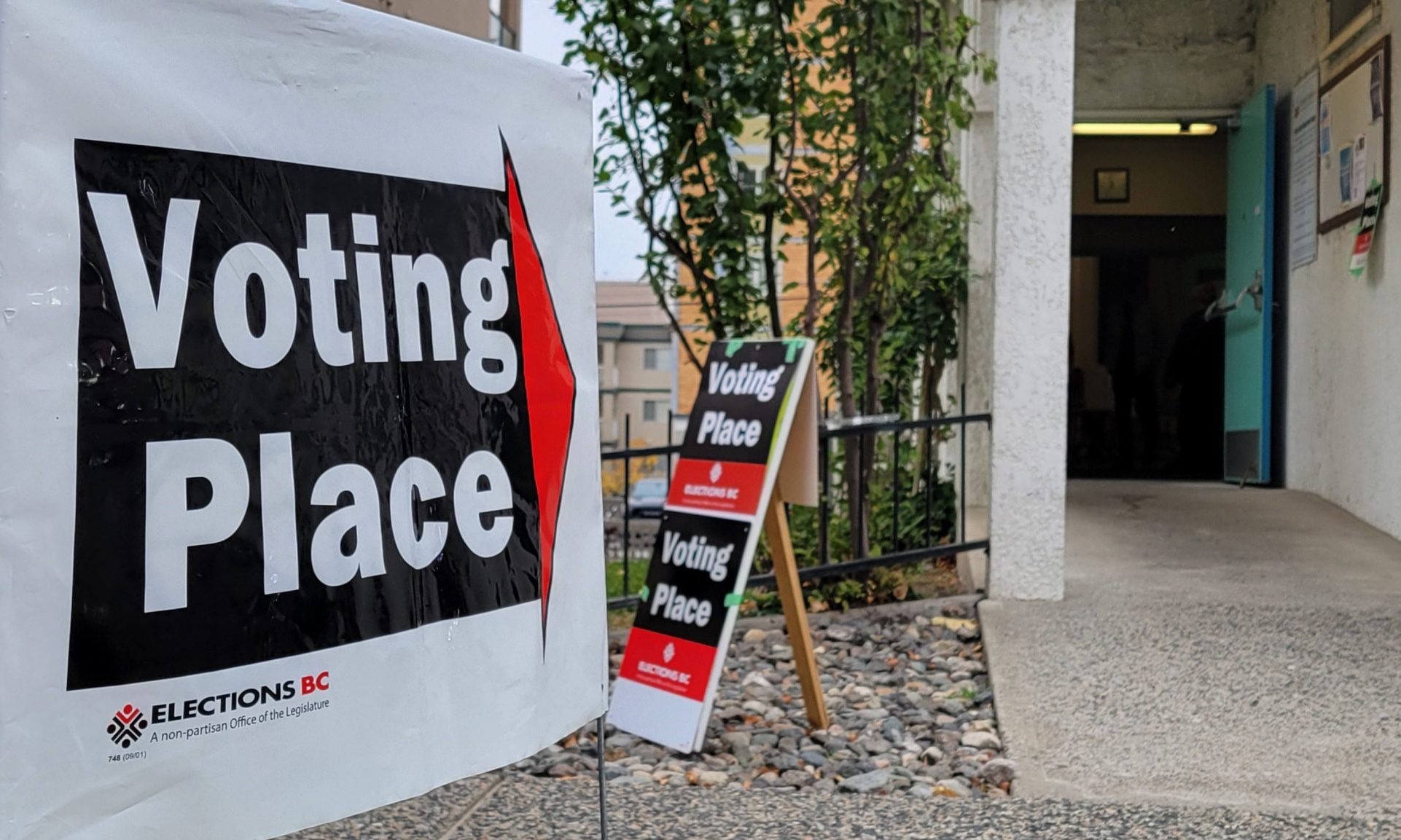
Nomination papers have been officially submitted by individuals seeking election as local Members of the Legislative Assembly in the upcoming 2026 BC election.
In Kamloops Centre, voters will see a five-candidate field consisting of incumbent Peter Milobar for the BC Conservatives, Annelise Beach representing the BC Greens, Rocky McAfee for OneBC, Thaelo Proctor running as an Independent, and Mike Wisla representing the BC NDP.
To the north, the Kamloops-North Thompson constituency features incumbent Ward Stamer of the BC Conservatives, alongside Kory Clark running for the BC NDP and Deborah Friesen for OneBC.
Contests Set for Fraser-Nicola, Cariboo-Chilcotin, and Salmon Arm-Shuswap
In the Fraser-Nicola riding, incumbent Conservative Tony Luck faces challenges from Jason Leboe of the BC NDP and Patrick Mitchell of the BC Greens.
The Cariboo-Chilcotin ballot includes incumbent Lorne Doerkson running for the BC Conservatives, Kathryn Askew representing the BC NDP, and Douglas Gook representing the BC Greens.
Meanwhile, five candidates are contesting the Salmon Arm-Shuswap riding. Incumbent David Williams represents the BC Conservatives, joined on the ballot by Gloria Morgan for the BC NDP, Barbara Presch for OneBC, Denise Reimer for CentreBC, and Jed Wiebe for the BC Greens.
COMMUNITY
How Central Okanagan Residents Can Avoid Costly Household Plumbing Damage This Thanksgiving
RDCO warns Central Okanagan residents to dispose of Thanksgiving cooking fats in the garbage to avoid costly sewer blockages and plumbing damage.
Preventing Sewer Overflows During Holiday Gatherings
As Central Okanagan families come together for Thanksgiving between Oct. 10 and Oct. 12, regional officials are offering guidance to keep home plumbing systems safe. Disposing of fats, oils and cooking grease improperly remains the primary reason sewer lines block and overflow throughout the community.
Kit Caufield, Manager of Engineering Services for the Regional District of Central Okanagan (RDCO), explained that grease accumulation inside pipe infrastructure restricts wastewater flow over time. Caufield noted that “Over time, grease builds up inside pipes, restricting wastewater flow and creating problems not only for homeowners, but across the entire sewer system. These blockages can damage household plumbing, result in costly repairs and interfere with critical wastewater infrastructure, including sewer lift stations,”
Proper Waste Disposal Guidelines
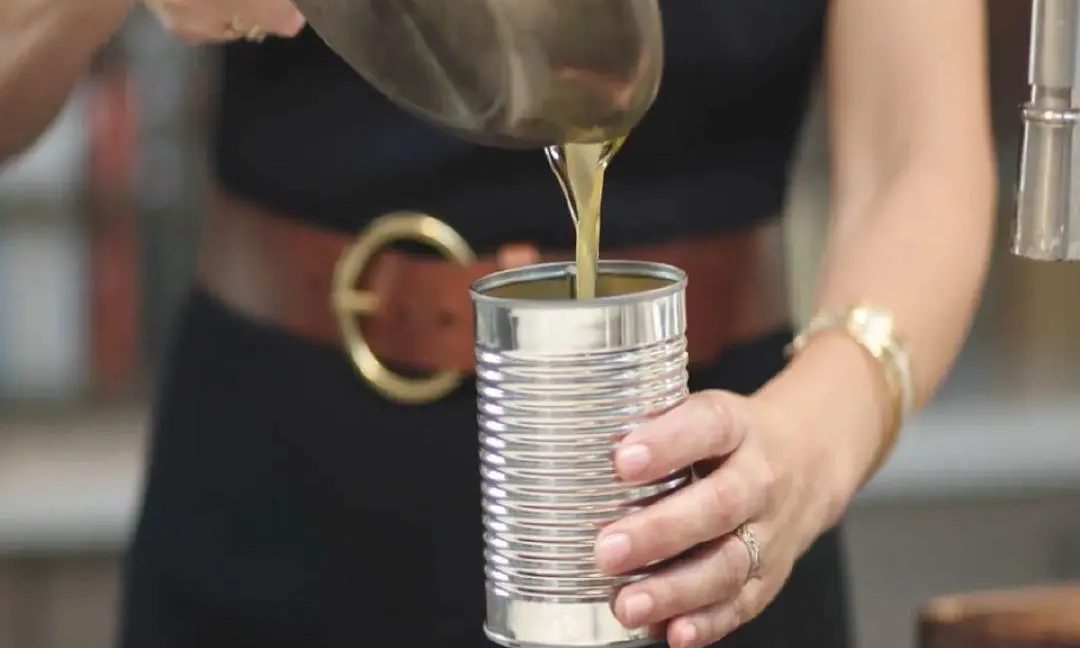
To prevent damage to both private plumbing and public infrastructure like sewer lift stations, the RDCO recommends catching leftover food particles using a drain basket or strainer. Residents should pour warm cooking fats into a covered tin container, which can be lined with a cooking bag if intended for reuse. After the grease cools and hardens, the container should be sealed and discarded in the trash.
Additionally, fatty foods such as salad dressings, mayonnaise, and other sauces must be thrown into the garbage rather than rinsed down sinks. For larger quantities of used cooking oil, individuals can take up to two 20-litre pails to the Glenmore Landfill for recycling, though commercial amounts are prohibited. Further details can be found on the RDCO website.

Where Provincial Jobless Rates Stood in September
What New Brunswick’s Latest Unemployment Figures Mean for Your Community

Who Is Running in Your Riding for the 2026 BC Election?

How Central Okanagan Residents Can Avoid Costly Household Plumbing Damage This Thanksgiving

BC Supreme Court Judge Set to Rule on Sentence Length for Former Gang Member

Loss of Newborn Calf Puts Fresh Focus on Endangered Southern Resident Whales

Opinion: John Rustad Has to Go

B.C. Supreme Court Grants Cowichan Tribes Title to Historic Richmond Lands and Fishing Rights

Vancouver Canucks Gear Up for a Make-or-Break 2025–26 Season

Province to Appeal Cowichan Tribes Land Decision

Kamloops Blazers Announce Off-Season Changes Ahead of 2025–26 Season

Kamloops Prepares Four Reverse Referendums on $188M in Major Projects
-

 LOCAL7 days ago
Have You Seen Him? Public Help Sought in Locating Missing Traveller Last Seen in Kamloops
-

 BC STORIES7 days ago
Why a Familiar Political Name is Joining the Kamloops-North Thompson Race
-
LOCAL6 days ago
Your Current 3 Day Forecast — October 4, 2026
-

 LOCAL7 days ago
Two Displaced as Investigators Eye Suspicious Four-Plex Fire in Kelowna
-

 COMMUNITY4 days ago
Why Okanagan Pet Owners Turned to Free BC SPCA Clinics After Wildfire Season
-

 OPINIONS4 days ago
B.C. Election Poll Puts Conservatives Ahead Five Points as Cost of Living Tops Voters’ Concerns
-
 BC STORIES4 days ago
B.C. Patients Could Soon Select Surgical Lists Based on Wait Times Under NDP Plan
-
LOCAL3 days ago
Your Current 3 Day Forecast — October 7, 2026