LOCAL
The Resilience Mandate: Why Amazon, Nvidia, and Walmart CEOs Are Doubting Gen Z’s Career Strategy
Explore career advice for Gen Z from the CEOs of Amazon, Nvidia, and Walmart on navigating unemployment and the evolving job market.


The New Economic Frontier for Gen Z
As the global economy oscillates between post-pandemic recovery and the looming specter of an AI-driven overhaul, Generation Z finds itself at a precarious crossroads. Recent labor statistics reveal a sobering reality: while the overall unemployment rate remains historically low, the youth unemployment rate for those aged 20 to 24 has seen a sharp uptick, leaving millions of young professionals struggling to find their footing. Against this backdrop of economic anxiety, the leaders of the world’s most influential corporations, Amazon, Nvidia, Walmart, and McDonald’s, are offering a blunt corrective. Their message is clear: the opportunity for stratospheric success has not vanished, but the mindset required to seize it has undergone a fundamental shift. For a generation often accused of ‘quiet quitting’ and prioritizing work-life balance above all else, the advice from the C-suite is a wake-up call to embrace resilience over comfort.
Jensen Huang and the Value of Suffering
Nvidia CEO Jensen Huang, currently at the helm of the most valuable semiconductor company in the world, recently delivered a commencement address that startled many with its intensity. While most speakers offer platitudes about following dreams, Huang told graduates he hoped they would experience ‘ample doses of pain and suffering.’ This was not a message of cruelty, but one of strategic character-building. Huang argues that the modern workforce is too focused on intelligence and ‘optimization’ while neglecting the grit required to survive the inevitable downturns of a high-stakes career. ‘Greatness is not a function of intelligence,’ Huang explained. ‘Greatness comes from character, and character isn’t formed out of smart people; it’s formed out of people who have suffered.’ For Gen Z, entering a market where AI can automate technical tasks in seconds, Huang’s philosophy suggests that the only inimitable human trait left is the ability to endure and adapt under pressure.
The Amazonian ‘Builder’ Mindset
At Amazon, CEO Andy Jassy has continued the ‘Day 1’ legacy established by Jeff Bezos, but with a renewed focus on the ‘builder’ mentality. Jassy has observed that many young workers entering the tech giant are focused on the wrong metrics of success, titles, immediate equity vests, and rapid-fire promotions. In his view, the most successful workers are those who act like owners rather than employees. Jassy’s advice to the younger cohort is to be a ‘sponge.’ He emphasizes that the first decade of a career should be a period of intense absorption, where one masters the fundamentals of the business rather than just the specifics of a role. Jassy contends that those who view themselves as ‘builders’, constantly looking for ways to improve a process or solve a customer pain point without being asked, are the ones who inevitably rise through the ranks. In an era of remote work and digital detachment, the ‘owner’ mindset is what differentiates a replaceable worker from a future leader.
Walmart and the Meritocracy of the Floor
While tech CEOs focus on innovation, Walmart’s Doug McMillon offers a perspective rooted in operational excellence and internal mobility. McMillon, who famously started as a teenager loading trucks in a Walmart distribution center, represents the quintessential American success story of moving from the floor to the C-suite. He often speaks about the importance of ‘proximity to the customer.’ For Gen Zers who may feel that entry-level service or logistics roles are beneath their academic qualifications, McMillon offers a counter-narrative: approximately 75% of Walmart’s store management teams started as hourly associates. His advice centers on the idea of the ‘long game.’ By learning the business from the ground up, workers develop an intuitive understanding of the supply chain and consumer behavior that no MBA can replicate. McMillon’s success suggests that the path to the top is not always a straight line through corporate headquarters, but often a journey through the trenches of the industry.
McDonald’s and the Universal Skills of the First Job
Chris Kempczinski, CEO of McDonald’s, has also stepped into the conversation, championing the role of ‘first jobs’ in developing social and professional capital. McDonald’s, often cited as one of the world’s largest training organizations, focuses on teaching ‘soft skills’ that are increasingly rare in the digital age: punctuality, teamwork, and the ability to navigate high-pressure interpersonal conflicts. Kempczinski argues that these foundational skills are the building blocks of any successful career. As Gen Z navigates a job market that is increasingly transactional, the human-centric skills learned in service environments provide a significant competitive advantage. The CEO suggests that the ‘right mindset’ involves recognizing that every job, no matter how humble, is an opportunity to build a professional reputation.
Synthesizing a Strategy for the Future
The collective wisdom of these Fortune 500 leaders points toward a synthesis of stoicism and proactive learning. The common thread among Huang, Jassy, McMillon, and Kempczinski is the rejection of the ‘entitlement’ trap. They suggest that the current shaky job market is not an obstacle, but a filter that will separate those with a growth mindset from those who wait for opportunities to be handed to them. For Gen Z, thriving in this environment requires a pivot away from the search for the ‘perfect’ job and toward the creation of a ‘perfect’ work ethic. Whether it is through Huang’s resilience, Jassy’s ownership, or McMillon’s operational grit, the blueprint for success remains the same: show up, work hard, and never stop learning. In the end, these CEOs argue that while technology and markets change, the fundamental principles of career advancement, character, curiosity, and consistency, are eternal.

LOCAL
Where Provincial Jobless Rates Stood in September
Canada’s national unemployment rate reached 6.5 per cent in September. Explore the full provincial breakdown and regional employment figures from Statistics Canada.

National and Provincial Jobless Figures
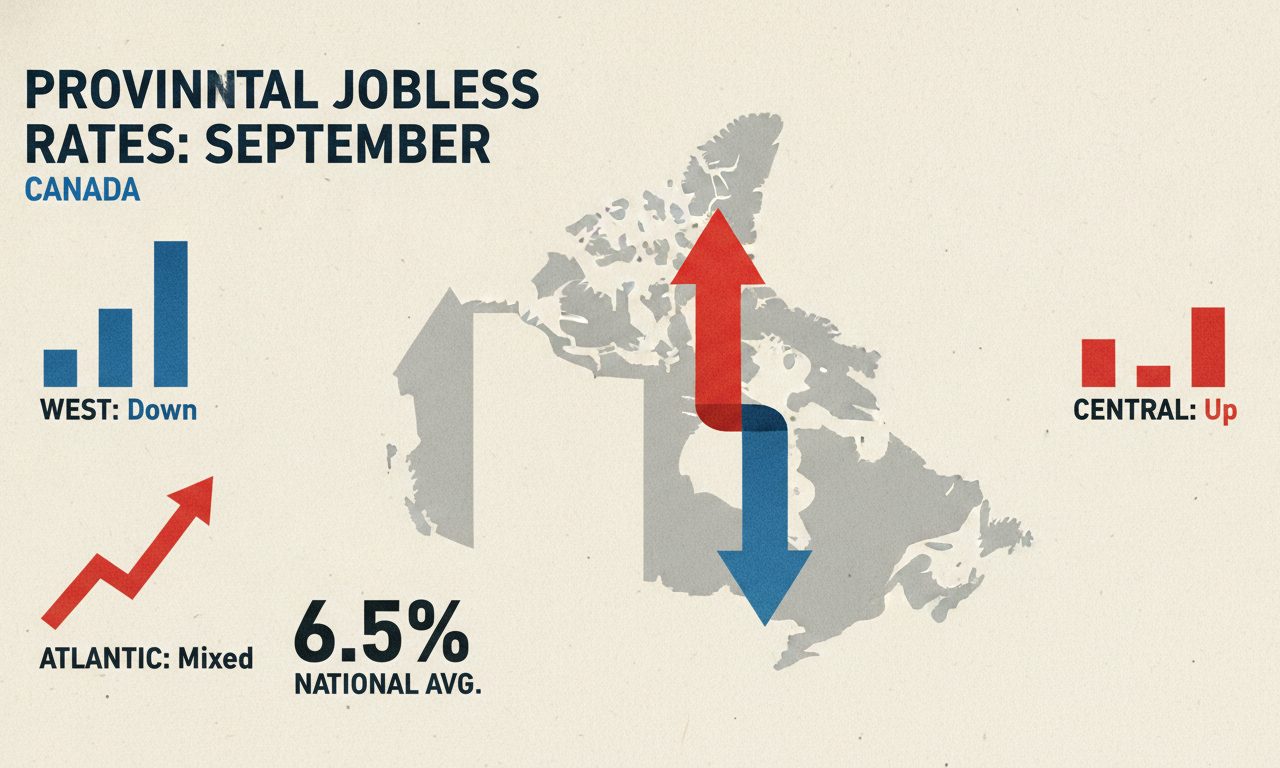
Canada recorded a national unemployment rate of 6.5 per cent in September, according to data released by Statistics Canada on Oct. 9, 2026.
Across Western Canada, British Columbia’s jobless rate shifted to 6.4 per cent from 6.5 per cent in August. Alberta recorded a rate of 6.4 per cent, down from 6.8 per cent the previous month, while Saskatchewan dropped to 5.4 per cent from 6.0 per cent. Manitoba’s unemployment rate remained unchanged at 5.0 per cent.
In Central Canada, Ontario’s unemployment rate rose slightly to 7.0 per cent from 6.9 per cent in August, while Quebec’s rate reached 6.0 per cent, up from 5.6 per cent.
Atlantic Canada and Regional City Data
In Atlantic Canada, Newfoundland and Labrador reported the highest provincial figure at 9.1 per cent, up from 8.6 per cent in August. New Brunswick saw a minor increase to 7.4 per cent from 7.3 per cent, and Nova Scotia rose to 6.3 per cent from 6.1 per cent. Prince Edward Island experienced a decline, moving to 7.3 per cent from 7.9 per cent.
Statistics Canada also tracked seasonally adjusted, three-month moving average rates for major urban areas. However, the agency cautioned that these municipal figures are subject to wide fluctuations due to smaller statistical sample sizes.
LOCAL
Who Is Running in Your Riding for the 2026 BC Election?
Check the full list of official candidates who have filed nomination papers for Kamloops, Fraser-Nicola, Cariboo-Chilcotin, and Salmon Arm-Shuswap ridings.
Candidates Confirmed Across Five Regional Ridings
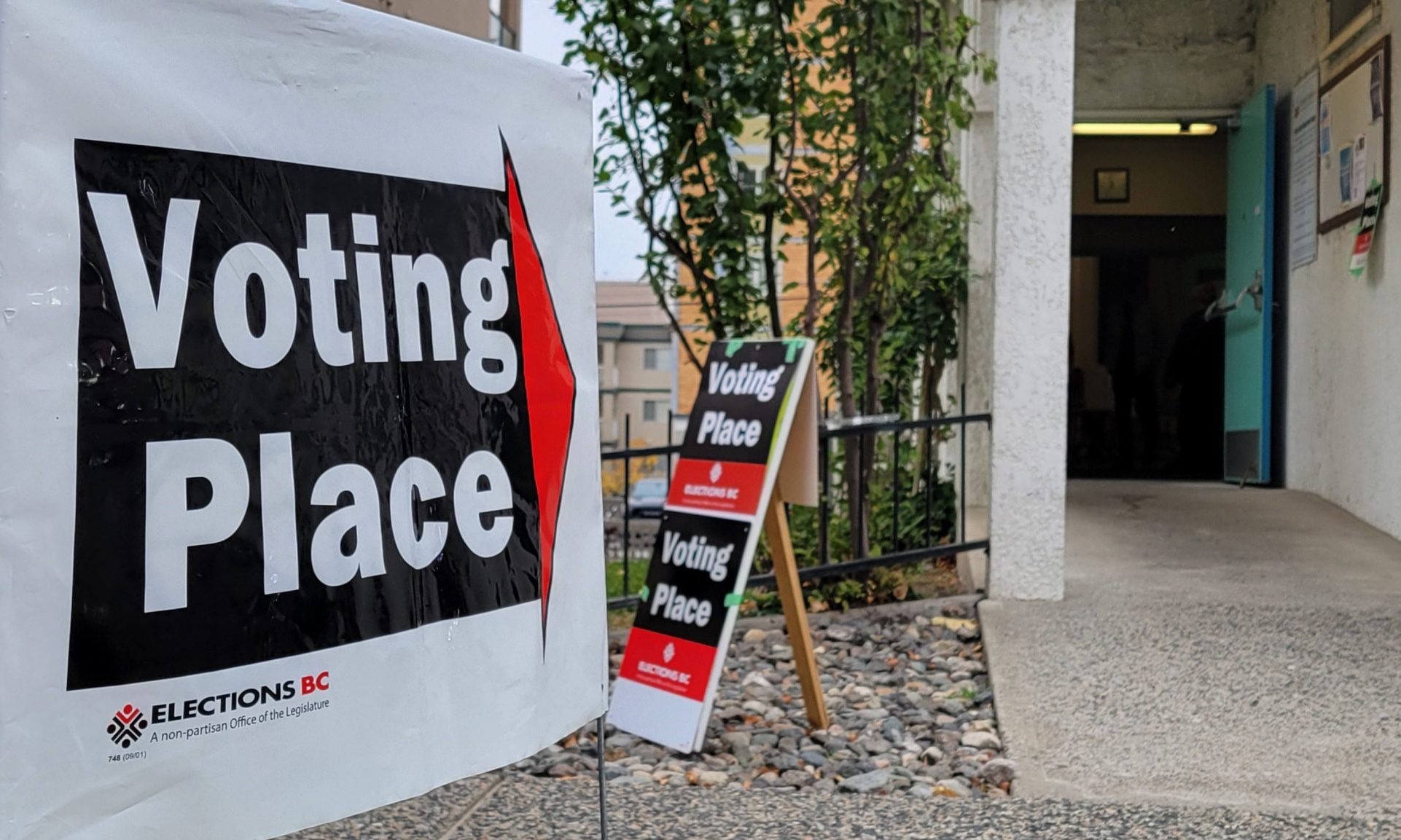
Nomination papers have been officially submitted by individuals seeking election as local Members of the Legislative Assembly in the upcoming 2026 BC election.
In Kamloops Centre, voters will see a five-candidate field consisting of incumbent Peter Milobar for the BC Conservatives, Annelise Beach representing the BC Greens, Rocky McAfee for OneBC, Thaelo Proctor running as an Independent, and Mike Wisla representing the BC NDP.
To the north, the Kamloops-North Thompson constituency features incumbent Ward Stamer of the BC Conservatives, alongside Kory Clark running for the BC NDP and Deborah Friesen for OneBC.
Contests Set for Fraser-Nicola, Cariboo-Chilcotin, and Salmon Arm-Shuswap
In the Fraser-Nicola riding, incumbent Conservative Tony Luck faces challenges from Jason Leboe of the BC NDP and Patrick Mitchell of the BC Greens.
The Cariboo-Chilcotin ballot includes incumbent Lorne Doerkson running for the BC Conservatives, Kathryn Askew representing the BC NDP, and Douglas Gook representing the BC Greens.
Meanwhile, five candidates are contesting the Salmon Arm-Shuswap riding. Incumbent David Williams represents the BC Conservatives, joined on the ballot by Gloria Morgan for the BC NDP, Barbara Presch for OneBC, Denise Reimer for CentreBC, and Jed Wiebe for the BC Greens.
COMMUNITY
How Central Okanagan Residents Can Avoid Costly Household Plumbing Damage This Thanksgiving
RDCO warns Central Okanagan residents to dispose of Thanksgiving cooking fats in the garbage to avoid costly sewer blockages and plumbing damage.

Preventing Sewer Overflows During Holiday Gatherings
As Central Okanagan families come together for Thanksgiving between Oct. 10 and Oct. 12, regional officials are offering guidance to keep home plumbing systems safe. Disposing of fats, oils and cooking grease improperly remains the primary reason sewer lines block and overflow throughout the community.
Kit Caufield, Manager of Engineering Services for the Regional District of Central Okanagan (RDCO), explained that grease accumulation inside pipe infrastructure restricts wastewater flow over time. Caufield noted that “Over time, grease builds up inside pipes, restricting wastewater flow and creating problems not only for homeowners, but across the entire sewer system. These blockages can damage household plumbing, result in costly repairs and interfere with critical wastewater infrastructure, including sewer lift stations,”
Proper Waste Disposal Guidelines
To prevent damage to both private plumbing and public infrastructure like sewer lift stations, the RDCO recommends catching leftover food particles using a drain basket or strainer. Residents should pour warm cooking fats into a covered tin container, which can be lined with a cooking bag if intended for reuse. After the grease cools and hardens, the container should be sealed and discarded in the trash.
Additionally, fatty foods such as salad dressings, mayonnaise, and other sauces must be thrown into the garbage rather than rinsed down sinks. For larger quantities of used cooking oil, individuals can take up to two 20-litre pails to the Glenmore Landfill for recycling, though commercial amounts are prohibited. Further details can be found on the RDCO website.

Where Provincial Jobless Rates Stood in September
What New Brunswick’s Latest Unemployment Figures Mean for Your Community

Who Is Running in Your Riding for the 2026 BC Election?

How Central Okanagan Residents Can Avoid Costly Household Plumbing Damage This Thanksgiving

BC Supreme Court Judge Set to Rule on Sentence Length for Former Gang Member

Loss of Newborn Calf Puts Fresh Focus on Endangered Southern Resident Whales

Opinion: John Rustad Has to Go

B.C. Supreme Court Grants Cowichan Tribes Title to Historic Richmond Lands and Fishing Rights

Vancouver Canucks Gear Up for a Make-or-Break 2025–26 Season

Province to Appeal Cowichan Tribes Land Decision

Kamloops Blazers Announce Off-Season Changes Ahead of 2025–26 Season

Kamloops Prepares Four Reverse Referendums on $188M in Major Projects
-
LOCAL7 days ago
Your Current 3 Day Forecast — October 4, 2026
-

 COMMUNITY5 days ago
Why Okanagan Pet Owners Turned to Free BC SPCA Clinics After Wildfire Season
-

 OPINIONS4 days ago
B.C. Election Poll Puts Conservatives Ahead Five Points as Cost of Living Tops Voters’ Concerns
-

 BC STORIES4 days ago
B.C. Patients Could Soon Select Surgical Lists Based on Wait Times Under NDP Plan
-
LOCAL4 days ago
Your Current 3 Day Forecast — October 7, 2026
-

 SPORTS5 days ago
BC Lions Hold Off Toronto Argonauts Behind Sean Whyte’s Record Eight Field Goals
-
LOCAL6 days ago
Your Current 3 Day Forecast — October 5, 2026
-

 BC STORIES5 days ago
Police Request Public Help After Fatal Highway 93 Crash Kills Local Resident