General
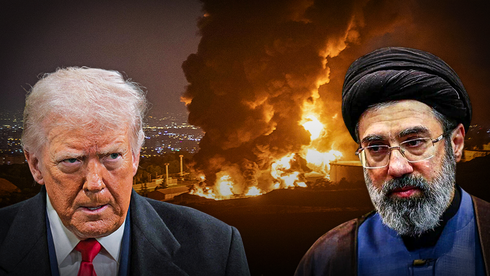
Global Markets on Edge as Trump Issues 48-Hour Ultimatum to Iran Over Strait of Hormuz
President Trump issues a final 48-hour ultimatum to Iran to reopen the Strait of Hormuz or face severe consequences, including potential strikes on infrastructure.

Rising Tensions in the Persian Gulf
President Donald Trump has significantly escalated his rhetoric against Tehran, issuing a final 48-hour ultimatum for Iran to either reach a comprehensive diplomatic deal or reopen the Strait of Hormuz. The announcement, made via his Truth Social platform on Saturday, follows a previous 10-day deadline that was set to expire Monday evening. Trump warned of severe military consequences if compliance is not met, stating that ‘all hell’ would be unleashed upon the region.
The Strategic Importance of the Strait
The Strait of Hormuz is widely regarded as the world’s most important oil transit chokepoint. Linking the Persian Gulf with the Gulf of Oman and the Arabian Sea, it carries approximately one-fifth of the world’s total oil consumption. The passage has been largely blocked since the onset of recent regional conflicts, leading to increased shipping costs and heightened fears of a global energy crisis. Trump’s demand for the reopening of this route underscores the administration’s priority to stabilize global energy markets and restore international trade flow.
Potential for Military Escalation
In his recent communications, the President has been explicit regarding the potential for U.S. intervention. If Iran fails to meet the deadline, the White House has suggested that U.S. strikes could target critical Iranian infrastructure, including power plants and maritime military assets. Military analysts suggest that such a move would represent a significant departure from previous containment strategies, potentially drawing regional allies into a broader conflict.
Diplomatic and Economic Implications
The 48-hour window leaves little room for traditional diplomatic maneuvering. While Tehran has yet to issue a formal response to the shortened deadline, international observers are closely monitoring the situation for signs of mobilization or de-escalation. Economic experts warn that any disruption in the Strait or an outbreak of kinetic warfare could cause oil prices to spike, impacting global inflation and supply chains already strained by geopolitical volatility.

General
Alberta Premier’s Top Aide Sparks Firestorm Over First Nations Criticism
Alberta Premier Danielle Smith’s top aide faces backlash after telling First Nations chiefs to fix their own communities instead of accusing Smith of treason.

Escalating Tensions in Alberta’s Separation Debate
The political landscape in Alberta has reached a fever pitch as Bruce McAllister, the executive director of Premier Danielle Smith’s office, issued a scathing social media post targeting First Nations leadership. McAllister’s comments come in response to an Assembly of Treaty Chiefs vote requesting an RCMP investigation into whether the province’s upcoming October 19 separation referendum constitutes criminal treason.
McAllister dismissed the chiefs’ legal concerns as “childish nonsense” and suggested that indigenous leaders should focus on internal community issues rather than criticizing the provincial government. He specifically cited high rates of poverty, drug addiction, and domestic violence within First Nations communities, questioning why these “heartbreaking” failures have not been prioritized over political opposition to the referendum.
The Treason Accusation and Legal Context
The friction stems from a motion by the Assembly of Treaty Chiefs, who argue that organizing a vote on Alberta’s place in Confederation is an intentional violation of treaty rights and a risk to Canadian sovereignty. Premier Danielle Smith previously echoed her aide’s sentiment, telling the chiefs to “check themselves” regarding the inflammatory nature of the treason accusation. Under the Canadian Criminal Code, treason is a narrowly defined offense typically involving the sharing of sensitive information with foreign states or the use of force to overthrow the government.
This is not the first time the term has surfaced in the separatist debate. Earlier this year, British Columbia Premier David Eby accused Alberta separatist groups of treasonous behavior after they sought support from United States officials. The current dispute highlights the deepening rift between the United Conservative Party (UCP) government and indigenous groups, who recently won a court case to quash a separatist petition on the grounds that the province failed its duty to consult them.
A High-Stakes Referendum
The October 19 vote will ask Albertans whether they wish to remain in Canada or trigger a secondary referendum on secession. While Premier Smith has officially campaigned for the pro-Canada side, critics argue the referendum is a strategic move to appease hardline separatists within her party while maintaining broader public support. As the vote nears, the exchange between the Premier’s office and First Nations leaders underscores the significant social and constitutional stakes involved in Alberta’s potential path toward sovereignty.
General
Canada Reports Significant 23% Drop in Opioid Deaths for 2025 as Federal Policies Take Hold
Canada reports a 23% decline in opioid deaths for 2025, showing real progress through health measures, though officials warn that challenges remain.

A Turning Point in the Crisis
Canada is witnessing a significant shift in its ongoing battle against the opioid epidemic. According to newly released federal data, opioid overdose deaths plummeted by 23 per cent in 2025 compared to the previous year. With 5,630 recorded fatalities, the decline marks the second consecutive year of improvement, following a 17 per cent drop in 2024. Health Minister Marjorie Michel hailed the figures as evidence that the federal government’s evidence-based drug policies are yielding tangible results.
Cautious Optimism from Health Officials
Chief Public Health Officer Dr. Joss Reimer expressed what she called “cautious optimism” regarding the new data. Reimer attributed the decline to a cleaner illegal drug supply and the widespread distribution of naloxone, a life-saving medication used to reverse overdoses. However, she warned that the crisis is far from over. Despite the progress, death rates remain significantly higher than pre-2020 levels. Notably, while hospitalizations decreased by 12 per cent, emergency medical services saw a 9 per cent spike in calls, likely due to the rise of complex “poly-substance” overdoses involving benzodiazepines mixed with fentanyl.
Regional and Demographic Disparities
The progress remains unevenly distributed across the country. British Columbia, Alberta, and Ontario continue to bear the brunt of the crisis, accounting for 78 per cent of all deaths. Indigenous communities also remain disproportionately affected, representing 10 per cent of fatalities despite making up less than 3 per cent of the population. Indigenous Services Minister Mandy Gull-Masty described these figures as a “sobering reminder” of the systemic inequities that persist in the Canadian healthcare landscape.
Diplomatic Implications and Domestic Production
The data comes at a critical time for Canada’s relationship with the United States. Kevin Brosseau, Canada’s recently appointed “fentanyl czar,” noted that the drug trade is increasingly driven by domestic production rather than imports. Brosseau is scheduled to meet with U.S. officials in Washington to present these findings, addressing concerns from the Trump administration regarding cross-border drug trafficking. While the Canada Border Services Agency saw a drop in fentanyl seizures, Brosseau emphasized that the focus remains on disrupting the precursor chemicals used to manufacture synthetic opioids within Canadian borders.
General
Centrist Resurrection: The Battle to Reclaim the BC Liberal Brand
B.C. centrists and former BC United members are fighting to revive the BC Liberal brand to fill a growing gap between the NDP and Conservatives.

A Search for the Political Middle Ground
In the wake of a polarizing BC Conservative leadership race, a dedicated group of political centrists is mobilizing to resurrect the defunct BC Liberal Party brand. Disaffected moderates met recently to discuss reclaiming the name, arguing that the provincial political landscape has left a gaping void between an increasingly left-leaning NDP and a populist Conservative Party under new leader Kerry-Lynne Findlay.
The Weight of a Legacy Name
Political strategists involved in the movement, including Mark Marissen, emphasize that the Liberal name remains one of the most powerful political assets in British Columbia. Despite the party’s 2023 rebranding to BC United—a move widely criticized as a historic blunder—internal polling and strategist assessments suggest the ‘Liberal’ label still resonates with voters who desire fiscal responsibility paired with progressive social values. A recent Research Co. poll indicated that 41 percent of British Columbians believe it is time to bring back the BC Liberals, suggesting that the brand’s equity remains high despite its recent dormancy.
Legal and Structural Hurdles
Reclaiming the name is a complex legal challenge. Under the B.C. Elections Act, new parties cannot register names that might cause confusion with existing or recently active entities. Because BC United is still registered as ‘BC United (formerly known as the BC Liberal Party),’ any attempt to use the name ‘Liberal’ could be blocked by Elections BC. Proponents of the revival are considering two main paths: a legal challenge to the name restrictions or a ‘hostile’ takeover and subsequent rebranding of the remaining BC United infrastructure.
Shifting Political Alliances
The movement has attracted high-profile figures such as climate scientist and former BC Green leader Andrew Weaver, who argues that the current options leave moderates ‘politically homeless.’ Weaver criticized the governing NDP for fiscal irresponsibility and the Conservatives for divisive rhetoric. While political scientists warn that a third party might primarily act as a spoiler—splitting the vote and introducing further unpredictability into B.C. elections—the push for a centrist alternative reflects a growing frustration with the province’s ideological polarization.
Meloni Fires Back at Trump After ‘Begging’ Claim Sparks Diplomatic Row
Alberta Premier’s Top Aide Sparks Firestorm Over First Nations Criticism
Jelly Roll and Bunnie XO Address Divorce Rumors as Country Star Declares ‘The Internet is a Liar’
Canada’s Historic World Cup Win Bitterly Marred by Ismael Koné’s Gruesome Leg Injury
Middle East Peace at a Crossroads: U.S.-Iran Nuclear Talks Collapsing Over Lebanon Escalation
Italy’s Meloni says Trump ‘made up’ story that she ‘begged’ him for photo at G7

Opinion: John Rustad Has to Go

B.C. Supreme Court Grants Cowichan Tribes Title to Historic Richmond Lands and Fishing Rights

Vancouver Canucks Gear Up for a Make-or-Break 2025–26 Season

Province to Appeal Cowichan Tribes Land Decision

Kamloops Prepares Four Reverse Referendums on $188M in Major Projects

Kamloops Blazers Announce Off-Season Changes Ahead of 2025–26 Season
-
 OPINIONS2 weeks ago
Kerry-Lynne Findlay Won the Leadership. Now She Has to Win British Columbia.
-
National News2 weeks ago
Canada to Ban Social Media for Minors Under 16 as Carney Government Unveils Online Safety Bill
-
Energy & Resources1 week ago
Canada Shifts Energy Policy: Hodgson Declares End of Apologies for Oil Sands Success
-
LOCAL1 week ago
Where to Watch the 2026 FIFA World Cup in Vancouver: Top Bars, Patios, and Fan Zones
-
Hockey1 week ago
NHLPA Demands Investigation Resumes as Oilers Eye Mike Babcock for Potential Role
-
POLITICS1 week ago
B.C. Conservatives Overtake NDP in New Post-Leadership Poll
-
Canadian News1 week ago
Beyond the Brochures: The Reality of Life in Alberta’s Changing Landscapes
-
Middle East2 weeks ago
Fragile Calm Returns as Iran and Israel Halt Direct Strikes Following Trump Intervention