Environment
Outrage Ignites as Prime Minister Faces Demands for Apology Over Grassy Narrows ‘Outlast’ Comment
First Nations chiefs demand an apology from Prime Minister Mark Carney after he was caught laughing and saying he could ‘outlast’ a mercury poisoning protester.


Controversy at Housing Announcement
Prime Minister Mark Carney is facing intense criticism from Indigenous leaders after being caught on camera claiming he could "outlast" a First Nations woman protesting the devastating impacts of mercury poisoning. The incident occurred during a joint press conference with Ontario Premier Doug Ford and Toronto Mayor Olivia Chow, where the leaders were announcing new housing funding. Chrissy Isaacs, a resident of Grassy Narrows First Nation who suffers from mercury poisoning, interrupted the event to demand compensation for her community.
As chants from Isaacs and her supporters echoed in the background, Carney turned to his colleagues and remarked, "I can outlast her," while laughing. The comment has sparked immediate backlash from First Nations leadership, who view the dismissal as a sign of systemic indifference to a decades-long health crisis.
Community Leaders Demand Accountability
Grassy Narrows Chief Sherry Ackabee expressed deep disappointment, stating that the Prime Minister made a joke out of her people’s suffering. "Shame on you, prime minister," Ackabee told reporters, noting that the laughter from surrounding officials added to the insult. Chief Roland Fisher of Wabaseemoong Independent Nations joined the call for an apology, urging the federal government to meet directly with the affected communities rather than dismiss their concerns.
The Prime Minister’s Office (PMO) later issued a statement claiming Carney could not hear the specific nature of the demonstration and that staff had engaged with the protesters. However, Chief Ackabee rejected this explanation, characterizing it as a face-saving measure after the offensive nature of the remark became public.
A Legacy of Environmental Disaster
The protest stems from one of Canada’s most notorious environmental disasters. Between the 1960s and 1970s, the Dryden Paper Mill discharged approximately 9,000 kilograms of mercury into the English-Wabigoon River system. Recent studies from Western University indicate that 90 per cent of the Grassy Narrows population suffers from some degree of mercury poisoning, a condition that causes severe neurotoxicity and can be passed from mothers to their children.
Community member Julia da Silva described the situation as a "life and death" struggle, noting that the community sees constant medical emergencies and is currently grappling with a youth suicide crisis. This latest incident echoes a 2019 controversy involving former Prime Minister Justin Trudeau, who previously apologized for making dismissive remarks to a Grassy Narrows advocate during a fundraiser.

Environment
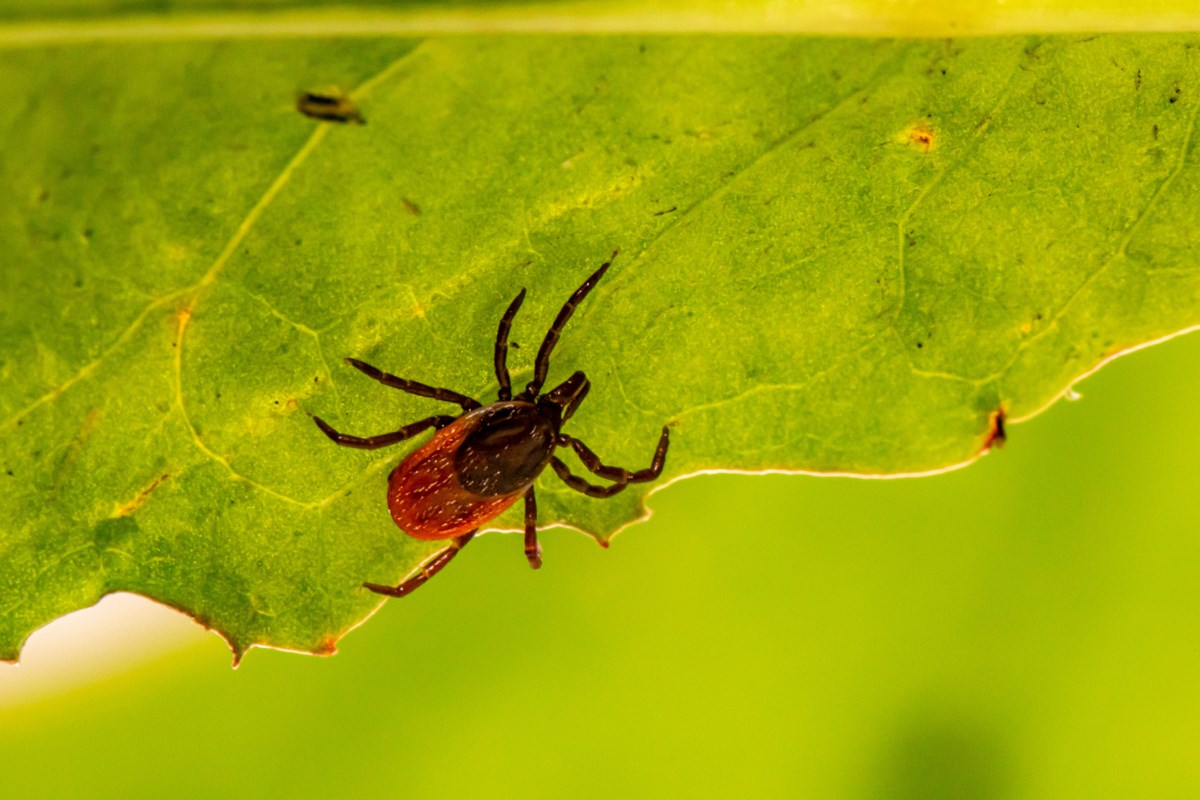
The Rising Tide of Ticks: Why Canada Faces a Growing Threat of Lyme Disease and Beyond
Explore why tick populations are surging in Canada due to climate change and urban growth, and learn about the rising threat of Lyme disease and red meat allergies.
A Personal Battle Becomes a Scientific Mission
Fifteen years ago, Vett Lloyd, a professor of biology at Mount Allison University, was told by public health officials that ticks simply did not exist in her home province of New Brunswick. Her own diagnosis with Lyme disease proved those claims false, sparking a career dedicated to understanding how these parasites are spreading across the Canadian landscape. Today, Lloyd’s research highlights a grim reality: tick populations and the diseases they carry are skyrocketing across the country.
The Role of Climate Change and Urban Development
The surge in tick activity is largely driven by shifting environmental factors. Traditionally, Canada’s long, harsh winters acted as a natural check on tick populations, starving them out as snow cover prevented them from finding hosts. However, global warming has led to more variable weather and less consistent snow cover. Ticks are opportunistic; they do not hibernate and will emerge to feed whenever temperatures rise, leading to much earlier and more intense seasons. Furthermore, the expansion of green, moist suburban areas has created the perfect habitat for rodents and other wildlife that carry ticks, bringing the threat directly into Canadian backyards.
The Hidden Scale of the Crisis
While official data from the Public Health Agency of Canada shows cases of Lyme disease rising from 143 in 2010 to over 7,000 by 2025, experts believe these numbers are a vast underestimation. Many cases go unreported due to a lack of diagnostic access or the difficulty of spotting a tick bite. Scientists estimate there has been a tenfold increase in infections over the last decade, with a significant portion of patients developing chronic illnesses that result in long-term fatigue, aches, and cognitive impairment.
New Threats on the Horizon
It isn’t just Lyme disease that Canadians need to worry about. Warmer regions like Southern Ontario are seeing the emergence of Lone Star and Gulf Coast ticks, which were previously unable to survive Canadian winters. These species can trigger ‘Alpha-gal syndrome,’ a severe red meat allergy caused by a reaction to tick saliva. As the climate continues to shift, researchers at Mount Allison University are working on rapid home-testing kits to help Canadians detect pathogens early and mitigate the growing economic and personal impact of these tick-borne illnesses.
Environment
Invasive Mosquitoes Carrying Brain-Swelling Virus Detected in B.C. Sea-to-Sky Region
B.C. health officials detect invasive mosquitoes and the California serogroup virus in the Sea-to-Sky region following a cluster of childhood encephalitis cases.

Investigation Sparked by Pediatric Cases
Health officials in British Columbia have confirmed the presence of invasive mosquitoes and a concerning virus capable of causing brain swelling in the Sea-to-Sky corridor north of Vancouver. The investigation was launched by the B.C. Centre for Disease Control (BCCDC) following a cluster of three pediatric encephalitis infections reported in the region in August 2024. Researchers concentrated their efforts between Squamish and Pemberton to identify the source of the rare infections.
California Serogroup Virus Identified
Anya F. Smith, a senior scientist with the BCCDC, stated that researchers discovered two mosquito species testing positive for the California serogroup virus. This group of pathogens is known to cause serious neurological conditions in humans, including encephalitis and meningitis. Among the carriers identified was the northern house mosquito, a species native to Africa, Asia, and Europe that has successfully established itself as an invasive species in British Columbia.
Impact of Climate Change on Disease Transmission
While the detected virus levels were low—preventing the team from confirming a specific strain—the findings are seen as a critical baseline for public health preparedness. Stefan Iwasawa of the BCCDC emphasized that rising temperatures due to climate change are expected to increase human exposure to various mosquito species. Understanding which species are present and what viruses they carry is essential for developing effective prevention and response strategies in a changing environment.
Assessing the Public Risk
Despite the detection, health authorities including Vancouver Coastal Health and the University of B.C. maintain that the current risk of serious illness remains low. Historical data shows only 15 known cases of California serogroup virus in B.C. between 2009 and 2024, with no new cases reported in the Sea-to-Sky corridor so far in 2025. Officials continue to monitor the situation while advising the public to take standard precautions against mosquito bites during the warmer months.
Environment
Montreal Hits Record High for Lyme Disease as Island Becomes Official Risk Zone
Montreal records record 161 Lyme disease cases in 2025. With 38% of infections occurring locally, health officials warn of climate-driven tick expansion.

Lyme Disease Surge Linked to Climate Change and Local Exposure
Montreal public health officials have confirmed that the city reached an unprecedented milestone in 2025, recording its highest number of Lyme disease cases to date. A total of 161 cases were documented in the agency’s latest annual report, marking a significant increase from the 113 cases reported just one year prior. Most notably, nearly 38 per cent of these infections—61 cases—are believed to have occurred directly on the island of Montreal, reinforcing the city’s status as an endemic zone for the black-legged ticks that carry the bacteria.
Dr. Nicolas Sheppard-Jones, medical lead for infectious disease public health emergencies, noted that the rise is not unexpected given the northward migration of tick populations. Health experts point to climate change as a primary driver, as warming temperatures create more hospitable environments for ticks to thrive in urban gardens and parks. Previously, most cases seen in Montreal were imported from Ontario or the United States, but local transmission has now become the dominant trend.
Demographics and Hospitalization Risks
The 2025 data reveals that older adults are particularly vulnerable, with Montrealers aged 50 to 69 accounting for the largest share of infections. Children are not exempt, however, with 22 cases recorded in the 0-14 age bracket. While Lyme disease is often treated effectively with antibiotics, roughly six per cent of patients required hospitalization due to severe complications affecting the heart, joints, and neurological systems.
Interestingly, many patients were unaware they had been bitten; only 14 per cent reported seeing a tick on their skin. Activities as common as gardening and yard maintenance were cited by 39 per cent of those infected locally, highlighting that the risk extends beyond deep-forest hiking into residential backyards.
Prevention and Immediate Action
Public health officials are urging residents to adopt new habits to mitigate risk. Recommendations include wearing long clothing, using approved tick repellents, and staying on marked paths during outdoor activities. Experts emphasize the importance of a ‘tick check’ and showering within two hours of returning home to remove unattached ticks. If a bite is discovered, the tick should be removed carefully with tweezers without crushing the abdomen, and the incident should be reported via 811 to determine if preventative antibiotics are necessary.
Maple Leafs Secure Top Pick as NHL Reveals Official 2026 Draft Order
Unfreezing the Market: Carney and Eby Unveil $3.2B Housing and Transit Package
Alberta Affordability Payments: $100 Relief Direct Deposits to Arrive Within Two Weeks
Ebola Crisis Escalates in Central Africa as Cases Surge 40% in One Week
History Made: Canada Records First-Ever World Cup Victory in Dominant 6-0 Rout of Qatar
The End of an Era: CBC to Stop Airing NHL Games as ‘Hockey Night in Canada’ Leaves Free TV

Opinion: John Rustad Has to Go

B.C. Supreme Court Grants Cowichan Tribes Title to Historic Richmond Lands and Fishing Rights

Vancouver Canucks Gear Up for a Make-or-Break 2025–26 Season

Province to Appeal Cowichan Tribes Land Decision

Kamloops Prepares Four Reverse Referendums on $188M in Major Projects

Kamloops Blazers Announce Off-Season Changes Ahead of 2025–26 Season
-

 OPINIONS2 weeks ago
Kerry-Lynne Findlay Won the Leadership. Now She Has to Win British Columbia.
-
National News2 weeks ago
Canada to Ban Social Media for Minors Under 16 as Carney Government Unveils Online Safety Bill
-
Energy & Resources1 week ago
Canada Shifts Energy Policy: Hodgson Declares End of Apologies for Oil Sands Success
-
LOCAL1 week ago
Where to Watch the 2026 FIFA World Cup in Vancouver: Top Bars, Patios, and Fan Zones
-
Canadian News1 week ago
Beyond the Brochures: The Reality of Life in Alberta’s Changing Landscapes
-
POLITICS1 week ago
B.C. Conservatives Overtake NDP in New Post-Leadership Poll
-
Hockey1 week ago
NHLPA Demands Investigation Resumes as Oilers Eye Mike Babcock for Potential Role
-
Middle East2 weeks ago
Fragile Calm Returns as Iran and Israel Halt Direct Strikes Following Trump Intervention