LOCAL
The ‘You Look Great’ Paradox: Robert Reich on the Performance of Social Politeness
Explore Robert B. Reich’s critique of the social compulsion to say ‘you look great’ and what it reveals about our cultural fears of aging and health.


The Waiting Room Epiphany
In the sterile, fluorescent-lit environment of a medical waiting room, the human condition is often stripped to its most vulnerable state. It was here that Robert B. Reich, the former Labor Secretary and veteran political commentator, found himself last week, staring down a peculiar social phenomenon. When an old acquaintance walked in, the greeting was immediate, enthusiastic, and, according to Reich, patently false: ‘Bob! How are you? You look great!’ This common refrain, ‘You look great’, is a staple of modern social interaction, yet Reich’s internal response highlights a growing dissonance in how we communicate about aging, health, and reality. ‘I don’t look great,’ Reich notes, cutting through the performative cheerfulness that defines so much of our public discourse.
The Social Lubricant of Sincerity
Why do we feel this relentless compulsion to flatter, even when the evidence before our eyes suggests otherwise? From a sociological perspective, the ‘you look great’ greeting functions as a vital social lubricant. It is designed to bridge the gap between the discomfort of seeing someone age and the desire to maintain a positive, frictionless connection. To acknowledge that someone looks tired, aged, or unwell is to breach an unspoken contract of mutual delusion. In the context of a doctor’s office, this compulsion becomes even more pronounced. The setting itself is a reminder of human frailty; by asserting that someone looks ‘great,’ the speaker is effectively attempting to wish away the physical reality of the environment. It is a verbal talisman against the encroachment of time.
The Commodity of Wellness
In the twenty-first century, ‘looking great’ has evolved from a compliment into a moral imperative. We live in an era dominated by the ‘wellness industrial complex,’ where appearance is often equated with discipline and personal success. To look ‘great’ is to signal that you are winning the battle against the entropic forces of biology. When we tell others they look wonderful, we are often projecting our own anxieties about decline. Reich’s skepticism of the phrase points to a deeper cultural crisis: an inability to sit with the truth of the aging process. By insisting on a veneer of youthful vitality, we marginalize the natural progression of life and turn the act of growing older into a failure that must be masked by polite lies.
The Burden of the Compliment
While intended to be kind, the reflexive ‘you look great’ can actually impose a psychological burden on the recipient. For those dealing with chronic illness, grief, or the simple fatigue of old age, being told they look fantastic can feel like a form of gaslighting. It creates a pressure to perform wellness, to smile through the pain, and to validate the speaker’s optimism at the expense of one’s own reality. Reich’s observation serves as a call for a more authentic form of engagement. If we cannot be honest about our appearances in a doctor’s office, the very place where we go to address our physical flaws and failings, then where can we be honest? The performance of ‘greatness’ prevents the development of true empathy, replacing deep connection with a superficial script.
Toward a More Honest Connection
As we navigate an increasingly visual and curated world, the challenge is to find a way to acknowledge one another without resorting to empty platitudes. Perhaps the most radical act of friendship is not telling someone they look great, but rather showing that you see them as they truly are, without the need for filters or flattery. Reich’s encounter is a reminder that while the ‘polite lie’ may save us from a moment of awkwardness, it also robs us of the chance to share in the common, messy, and inevitable experience of being human. Instead of ‘you look great,’ maybe we should try ‘it is so good to see you.’ It is a shift from judging the exterior to valuing the presence, and in a world obsessed with looking good, that might be the most honest thing we can say.

LOCAL
Where Provincial Jobless Rates Stood in September
Canada’s national unemployment rate reached 6.5 per cent in September. Explore the full provincial breakdown and regional employment figures from Statistics Canada.

National and Provincial Jobless Figures
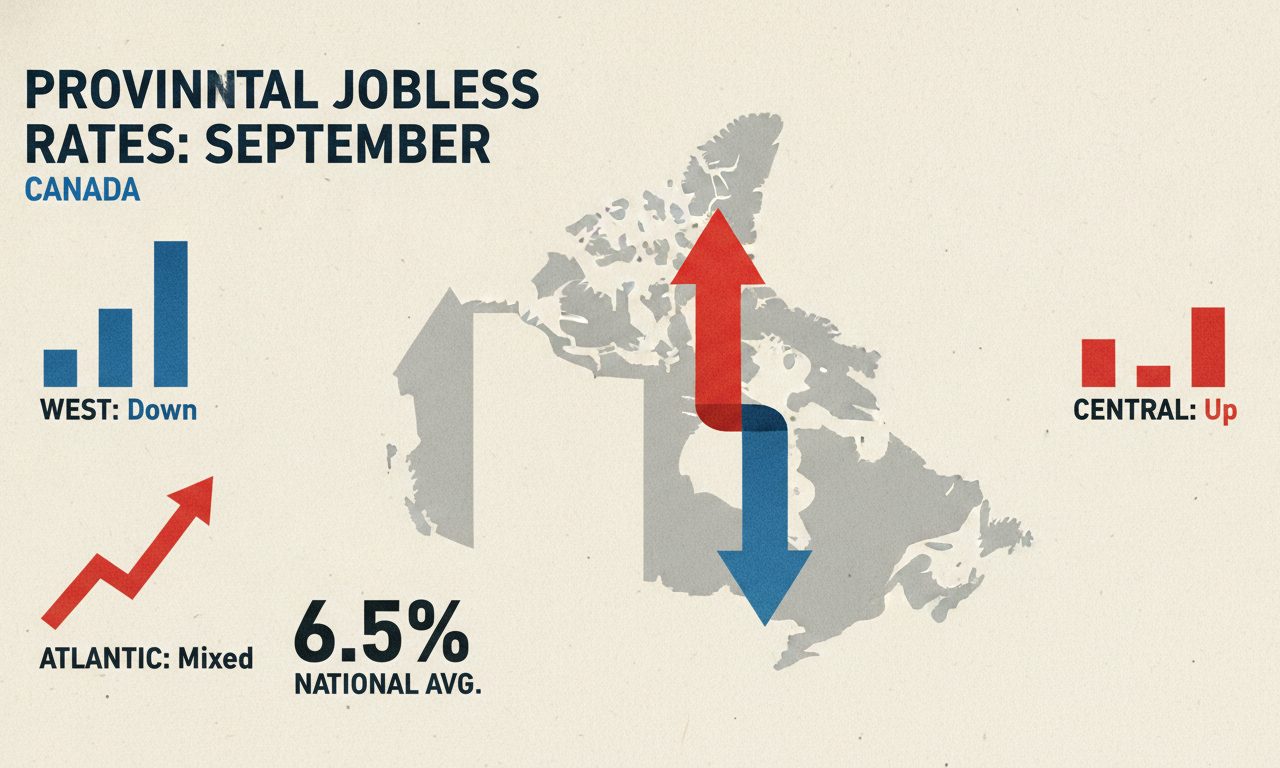
Canada recorded a national unemployment rate of 6.5 per cent in September, according to data released by Statistics Canada on Oct. 9, 2026.
Across Western Canada, British Columbia’s jobless rate shifted to 6.4 per cent from 6.5 per cent in August. Alberta recorded a rate of 6.4 per cent, down from 6.8 per cent the previous month, while Saskatchewan dropped to 5.4 per cent from 6.0 per cent. Manitoba’s unemployment rate remained unchanged at 5.0 per cent.
In Central Canada, Ontario’s unemployment rate rose slightly to 7.0 per cent from 6.9 per cent in August, while Quebec’s rate reached 6.0 per cent, up from 5.6 per cent.
Atlantic Canada and Regional City Data
In Atlantic Canada, Newfoundland and Labrador reported the highest provincial figure at 9.1 per cent, up from 8.6 per cent in August. New Brunswick saw a minor increase to 7.4 per cent from 7.3 per cent, and Nova Scotia rose to 6.3 per cent from 6.1 per cent. Prince Edward Island experienced a decline, moving to 7.3 per cent from 7.9 per cent.
Statistics Canada also tracked seasonally adjusted, three-month moving average rates for major urban areas. However, the agency cautioned that these municipal figures are subject to wide fluctuations due to smaller statistical sample sizes.
LOCAL
Who Is Running in Your Riding for the 2026 BC Election?
Check the full list of official candidates who have filed nomination papers for Kamloops, Fraser-Nicola, Cariboo-Chilcotin, and Salmon Arm-Shuswap ridings.
Candidates Confirmed Across Five Regional Ridings
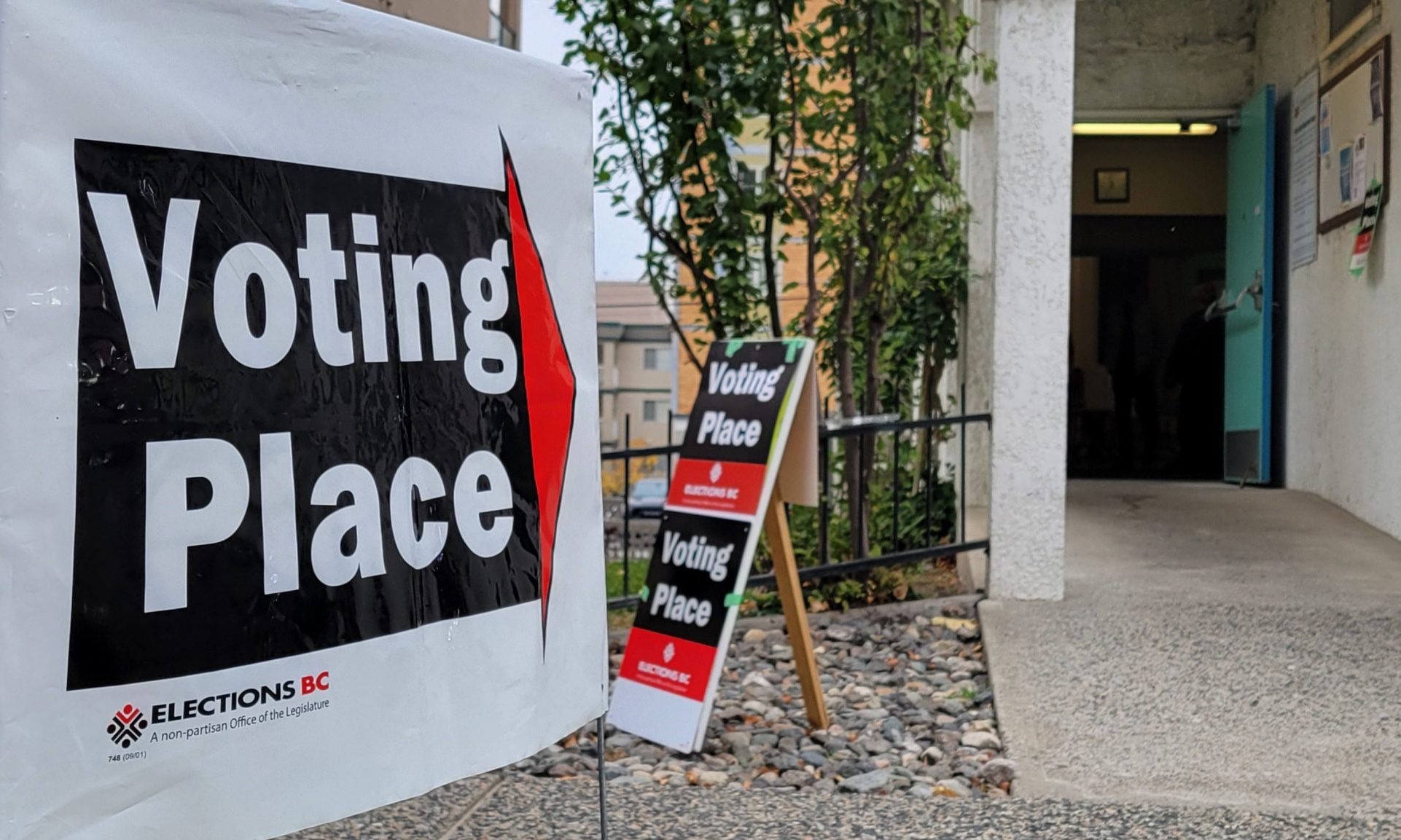
Nomination papers have been officially submitted by individuals seeking election as local Members of the Legislative Assembly in the upcoming 2026 BC election.
In Kamloops Centre, voters will see a five-candidate field consisting of incumbent Peter Milobar for the BC Conservatives, Annelise Beach representing the BC Greens, Rocky McAfee for OneBC, Thaelo Proctor running as an Independent, and Mike Wisla representing the BC NDP.
To the north, the Kamloops-North Thompson constituency features incumbent Ward Stamer of the BC Conservatives, alongside Kory Clark running for the BC NDP and Deborah Friesen for OneBC.
Contests Set for Fraser-Nicola, Cariboo-Chilcotin, and Salmon Arm-Shuswap
In the Fraser-Nicola riding, incumbent Conservative Tony Luck faces challenges from Jason Leboe of the BC NDP and Patrick Mitchell of the BC Greens.
The Cariboo-Chilcotin ballot includes incumbent Lorne Doerkson running for the BC Conservatives, Kathryn Askew representing the BC NDP, and Douglas Gook representing the BC Greens.
Meanwhile, five candidates are contesting the Salmon Arm-Shuswap riding. Incumbent David Williams represents the BC Conservatives, joined on the ballot by Gloria Morgan for the BC NDP, Barbara Presch for OneBC, Denise Reimer for CentreBC, and Jed Wiebe for the BC Greens.
COMMUNITY
How Central Okanagan Residents Can Avoid Costly Household Plumbing Damage This Thanksgiving
RDCO warns Central Okanagan residents to dispose of Thanksgiving cooking fats in the garbage to avoid costly sewer blockages and plumbing damage.

Preventing Sewer Overflows During Holiday Gatherings
As Central Okanagan families come together for Thanksgiving between Oct. 10 and Oct. 12, regional officials are offering guidance to keep home plumbing systems safe. Disposing of fats, oils and cooking grease improperly remains the primary reason sewer lines block and overflow throughout the community.
Kit Caufield, Manager of Engineering Services for the Regional District of Central Okanagan (RDCO), explained that grease accumulation inside pipe infrastructure restricts wastewater flow over time. Caufield noted that “Over time, grease builds up inside pipes, restricting wastewater flow and creating problems not only for homeowners, but across the entire sewer system. These blockages can damage household plumbing, result in costly repairs and interfere with critical wastewater infrastructure, including sewer lift stations,”
Proper Waste Disposal Guidelines
To prevent damage to both private plumbing and public infrastructure like sewer lift stations, the RDCO recommends catching leftover food particles using a drain basket or strainer. Residents should pour warm cooking fats into a covered tin container, which can be lined with a cooking bag if intended for reuse. After the grease cools and hardens, the container should be sealed and discarded in the trash.
Additionally, fatty foods such as salad dressings, mayonnaise, and other sauces must be thrown into the garbage rather than rinsed down sinks. For larger quantities of used cooking oil, individuals can take up to two 20-litre pails to the Glenmore Landfill for recycling, though commercial amounts are prohibited. Further details can be found on the RDCO website.

Where Provincial Jobless Rates Stood in September
What New Brunswick’s Latest Unemployment Figures Mean for Your Community

Who Is Running in Your Riding for the 2026 BC Election?

How Central Okanagan Residents Can Avoid Costly Household Plumbing Damage This Thanksgiving

BC Supreme Court Judge Set to Rule on Sentence Length for Former Gang Member

Loss of Newborn Calf Puts Fresh Focus on Endangered Southern Resident Whales

Opinion: John Rustad Has to Go

B.C. Supreme Court Grants Cowichan Tribes Title to Historic Richmond Lands and Fishing Rights

Vancouver Canucks Gear Up for a Make-or-Break 2025–26 Season

Province to Appeal Cowichan Tribes Land Decision

Kamloops Blazers Announce Off-Season Changes Ahead of 2025–26 Season

Kamloops Prepares Four Reverse Referendums on $188M in Major Projects
-
LOCAL7 days ago
Your Current 3 Day Forecast — October 4, 2026
-

 COMMUNITY5 days ago
Why Okanagan Pet Owners Turned to Free BC SPCA Clinics After Wildfire Season
-

 OPINIONS4 days ago
B.C. Election Poll Puts Conservatives Ahead Five Points as Cost of Living Tops Voters’ Concerns
-

 BC STORIES4 days ago
B.C. Patients Could Soon Select Surgical Lists Based on Wait Times Under NDP Plan
-
LOCAL4 days ago
Your Current 3 Day Forecast — October 7, 2026
-

 SPORTS5 days ago
BC Lions Hold Off Toronto Argonauts Behind Sean Whyte’s Record Eight Field Goals
-
LOCAL6 days ago
Your Current 3 Day Forecast — October 5, 2026
-

 BC STORIES5 days ago
Police Request Public Help After Fatal Highway 93 Crash Kills Local Resident