Astronomy
Celestial Spectacle: Rare ‘Blaze Star’ Explosion Predicted to Appear in the Night Sky
T Coronae Borealis is set for a rare nova explosion. Learn how to spot this ‘Blaze Star’ as it brightens to rival the North Star in a once-in-a-lifetime event.

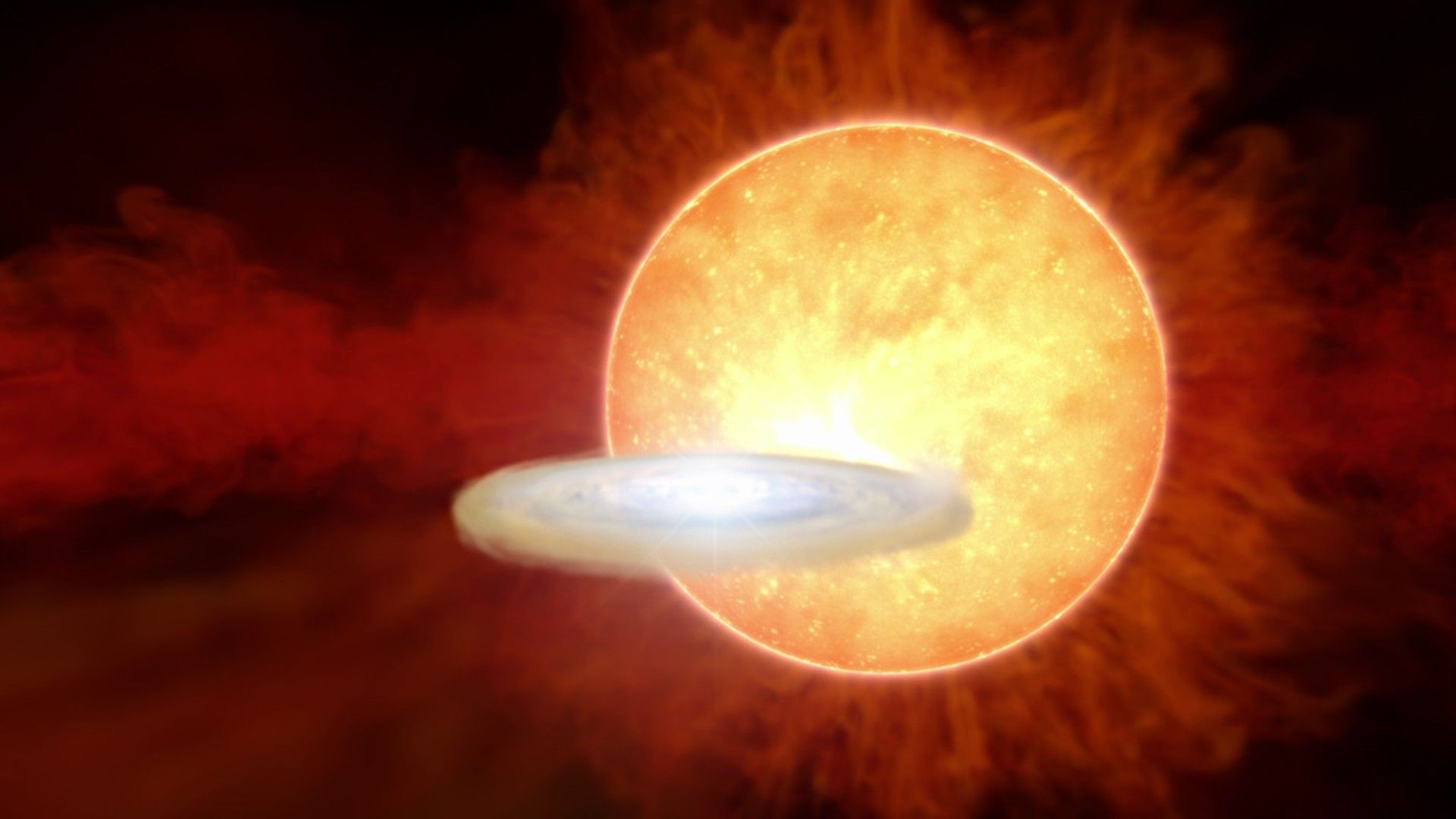
A Once-in-a-Lifetime Cosmic Event
Astronomers and stargazers alike are on high alert for a rare celestial phenomenon: the sudden appearance of a ‘new’ star in the night sky. The star system T Coronae Borealis, commonly known as the ‘Blaze Star,’ is expected to undergo a cataclysmic thermonuclear eruption at any moment. This event, known as a recurring nova, occurs approximately once every 80 years, making it a once-in-a-lifetime viewing opportunity for most people on Earth.
The Science Behind the Blast
T Coronae Borealis (T CrB) is a binary system located 3,000 light-years away, consisting of a white dwarf and a red giant. In a ‘vampiric’ relationship, the white dwarf continuously strips hydrogen-rich material from its larger companion. Once this material reaches a critical mass on the white dwarf’s surface, it triggers a massive thermonuclear explosion. Unlike a supernova, which marks the death of a star, this nova leaves the white dwarf intact to begin the cycle of feeding and erupting all over again.
When and How to Watch
While the exact timing remains elusive, NASA scientists and astrophysicists believe the eruption is imminent. Historically, the system follows an 80-year cycle, with the last major event occurring in 1946. When the nova finally ignites, T CrB will jump from its usual invisible magnitude of +10 to a magnitude of +2. This surge will make it as bright as Polaris, the North Star, and easily visible to the naked eye even in areas with moderate light pollution.
Finding the Northern Crown
To witness this fleeting event, observers should look toward the constellation Corona Borealis, or the ‘Northern Crown.’ This small, semicircular cluster of stars sits between the constellations Hercules and Bootes. Once the eruption begins, the ‘Blaze Star’ will remain visible to the naked eye for less than a week before fading back into obscurity for another eight decades. Astronomers recommend using binoculars or a small telescope now to familiarize yourself with the region of the sky just one degree to the lower right of the star Epsilon Coronae Borealis.

Astronomy
Celestial Fireworks: Venus Disappears Behind the Moon in Rare June Lunar Occultation
Discover June’s top astronomical events, including a rare Venus lunar occultation, the summer solstice, and a spectacular planetary conjunction in the night sky.
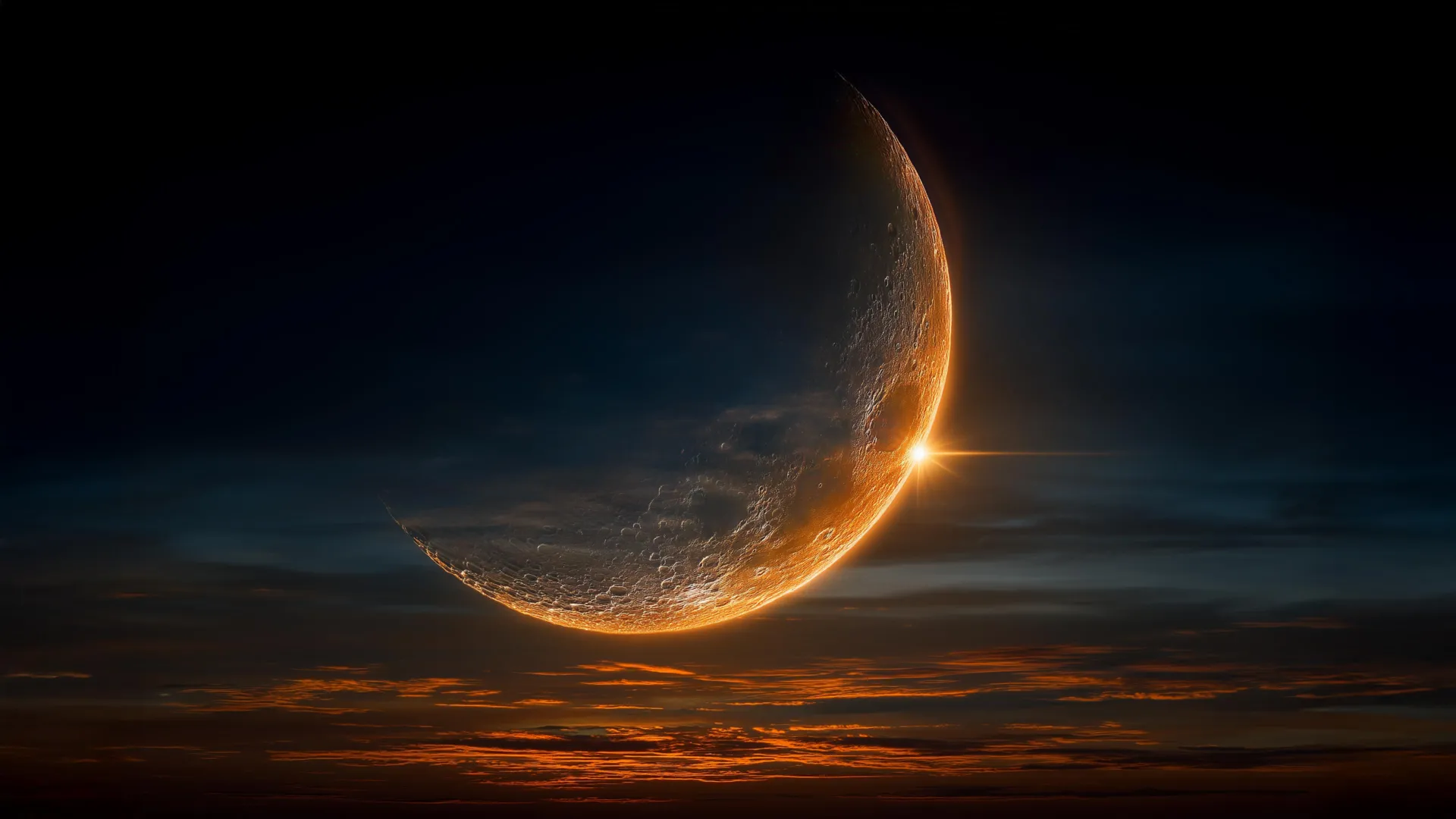
A Rare Celestial Disappearance
Stargazers are in for a rare treat this June as Venus, the brightest planet in our night sky, is set to perform a dramatic vanishing act. On June 17, observers in specific regions of North and South America will witness a lunar occultation, a phenomenon where the Moon passes directly in front of Venus. This event effectively hides the planet from view before it re-emerges on the opposite side of the lunar disk, providing a unique opportunity to witness the celestial mechanics of our solar system in real-time.
The Planetary Parade
The occultation is only one part of a busy month for astronomical events. The first half of June features a stunning planetary conjunction between Venus and Jupiter. By June 9, these two ‘evening stars’ will appear remarkably close in the western sky. While they remain millions of miles apart in reality, their alignment along the ecliptic path makes them appear as a brilliant pair from our terrestrial vantage point. Between June 11 and 15, the elusive Mercury will join the duo, creating a triple-planet lineup low on the horizon just after sunset.
Welcoming the Summer Solstice
June also marks a pivotal point in Earth’s orbit: the summer solstice. Occurring on June 21 at 1:24 a.m. PT, the solstice signals the official start of astronomical summer in the Northern Hemisphere. This day provides the maximum amount of daylight for the year. Interestingly, while it is the longest day, it does not always align with the earliest sunrise or latest sunset due to the tilt and elliptical orbit of the Earth, a quirk of orbital mechanics that varies by latitude.
Deep-Sky Treasures Emerge
As the month progresses and the ‘Summer Triangle’—comprised of the stars Vega, Altair, and Deneb—rises into view, deep-sky observers can turn their attention to more distant wonders. This region of the Milky Way is home to iconic targets like the Dumbbell Nebula and the Ring Nebula. The Dumbbell Nebula, or Messier 27, was the first planetary nebula ever discovered and represents the glowing remains of a dying star. Whether you are watching a planet vanish behind the Moon or peering into the depths of a nebula, June offers a wealth of reasons to look up.

Where Provincial Jobless Rates Stood in September
What New Brunswick’s Latest Unemployment Figures Mean for Your Community

Who Is Running in Your Riding for the 2026 BC Election?

How Central Okanagan Residents Can Avoid Costly Household Plumbing Damage This Thanksgiving

BC Supreme Court Judge Set to Rule on Sentence Length for Former Gang Member

Loss of Newborn Calf Puts Fresh Focus on Endangered Southern Resident Whales

Opinion: John Rustad Has to Go

B.C. Supreme Court Grants Cowichan Tribes Title to Historic Richmond Lands and Fishing Rights

Vancouver Canucks Gear Up for a Make-or-Break 2025–26 Season

Province to Appeal Cowichan Tribes Land Decision

Kamloops Blazers Announce Off-Season Changes Ahead of 2025–26 Season

Kamloops Prepares Four Reverse Referendums on $188M in Major Projects
-

 LOCAL7 days ago
Have You Seen Him? Public Help Sought in Locating Missing Traveller Last Seen in Kamloops
-

 BC STORIES7 days ago
Why a Familiar Political Name is Joining the Kamloops-North Thompson Race
-
LOCAL6 days ago
Your Current 3 Day Forecast — October 4, 2026
-

 LOCAL7 days ago
Two Displaced as Investigators Eye Suspicious Four-Plex Fire in Kelowna
-

 COMMUNITY4 days ago
Why Okanagan Pet Owners Turned to Free BC SPCA Clinics After Wildfire Season
-

 OPINIONS4 days ago
B.C. Election Poll Puts Conservatives Ahead Five Points as Cost of Living Tops Voters’ Concerns
-

 BC STORIES4 days ago
B.C. Patients Could Soon Select Surgical Lists Based on Wait Times Under NDP Plan
-

 SPORTS5 days ago
BC Lions Hold Off Toronto Argonauts Behind Sean Whyte’s Record Eight Field Goals