LOCAL
Beyond the Laughs: Kelsey Grammer on Hollywood Exile, Faith, and the Tragedy That Shaped His Politics
Kelsey Grammer discusses his conservative views in Hollywood, finding common ground with Pedro Pascal, and the spiritual healing following his sister’s murder.

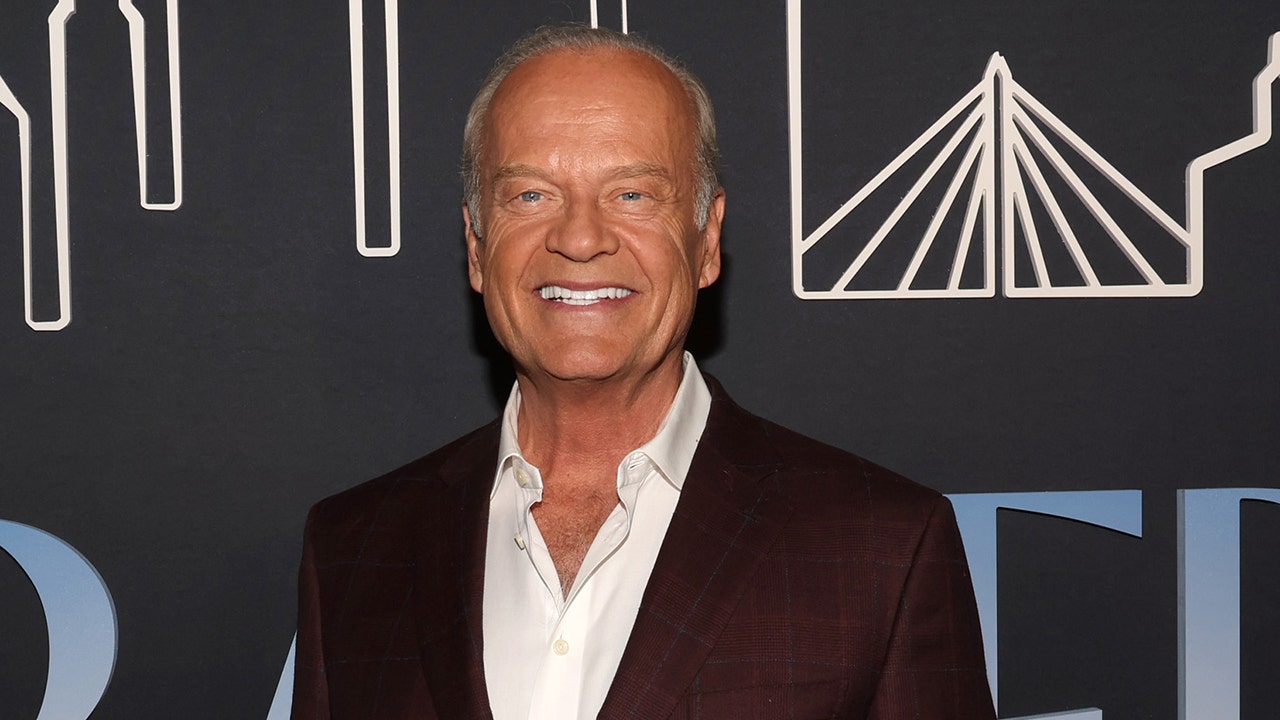
The Price of Conviction in Tinseltown
Kelsey Grammer, the Emmy-winning star of Frasier and Cheers, has long been a rare bird in the heights of Hollywood: an unapologetic conservative. In a wide-ranging and deeply personal interview on the Arroyo Grande podcast with host Raymond Arroyo, Grammer opened up about the personal and professional toll his political leanings have taken over the decades. While he admitted to losing friends over his beliefs, he remains steadfast, asserting that the labels often thrown at conservatives in the industry frequently ring hollow.
Grammer addressed the harshest criticisms head-on, specifically the weaponization of identity politics. “I realize that because I’m a conservative… I’ve heard a lot of things said about us that are quite remarkable,” Grammer told Arroyo. “But something I finally figured out was when I’m called a racist, I know it’s not true. And the thing is, so do they.” For Grammer, the performative nature of Hollywood’s political divide often obscures the reality of personal character, though he remains optimistic that common ground is possible, even if it is no longer the “go-to place” for public discourse.
Unexpected Alliances and the #MeToo Movement
Despite the polarizing climate, Grammer shared a surprising anecdote about finding common ground with one of Hollywood’s most vocal progressive stars, Pedro Pascal. The two actors recently worked together on an upcoming Avengers project, and Grammer noted that despite their disparate worldviews, they got along “splendidly.” He recalled a conversation regarding the #MeToo movement where Pascal allegedly offered a critique that surprised the veteran actor.
According to Grammer, Pascal suggested the movement had become “weak” by turning inward. “The left is always looking for something to be upset about,” Grammer observed during the podcast. “They thought they found something, and they realized they were kind of eating their own. And [Pascal] basically enumerated that for me… it surprised me because I thought—I was aware he was more on the left-hand side of things.” This moment of shared skepticism toward ideological purity tests served as a reminder for Grammer that human connection can still transcend the ballot box.
A Life Defined by Grief and Accountability
The roots of Grammer’s conservatism and his worldview are inextricably linked to a 1975 tragedy that forever changed his life: the brutal murder of his 18-year-old sister, Karen. Grammer described a period of his life where he was “upset” and would “haunt the streets looking for a fight.” This proximity to violent crime fueled his belief in personal accountability—a core tenet of his political philosophy.
“He murdered more than one person, and he did it knowing what he was doing,” Grammer said of his sister’s killer. “There have to be consequences. Accountability has to be something we still have in this country. I mean, that’s probably why I’m conservative in a lot of ways.” Yet, Grammer’s stance is nuanced; despite the pain of his loss, he identifies as “pro-life” and remains opposed to the death penalty, choosing instead to focus on the weight of justice and the possibility of spiritual reconciliation.
The ‘Limping Faith’ and a Divine Conversation
The interview took an emotional turn as Grammer discussed his spiritual evolution. After years of what he calls a “limping faith,” a series of events—including his role in the 2023 hit Jesus Revolution—led him toward a profound religious epiphany. He recalled standing on the field at Angel Stadium during an evangelical Harvest Crusade, where he finally confronted God about the loss of his sister, asking, “So, where were you?”
Tearing up, Grammer told Arroyo that he heard a small voice respond: “I was right there.” This theme of divine presence followed him as he authored his upcoming 2025 memoir, Karen: A Brother Remembers. He described a surreal experience on a plane where he felt a weight being lifted from his shoulders. “The voice basically said, ‘Don’t you think it’s time for you to give it up?’” Grammer recalled. “I said, ‘No, it’s OK, I’ve carried it this long, I can still handle it.’ And He said, ‘No, it’s mine. That’s why I came.’” For Grammer, this surrender of decades-old grief has provided a sense of peace that transcends the fickle nature of fame and political standing.
A Legacy of Resilience
As Grammer prepares for the release of his new book and continues his work in both television and film, he seems at peace with his standing in the industry. He acknowledges that while he may not be invited to every party in Hollywood, the friends he has gained and the faith he has solidified are more than enough. “Things are OK,” he concluded, signaling a man who has traded the need for industry approval for the clarity of his own conscience.

LOCAL
Where Provincial Jobless Rates Stood in September
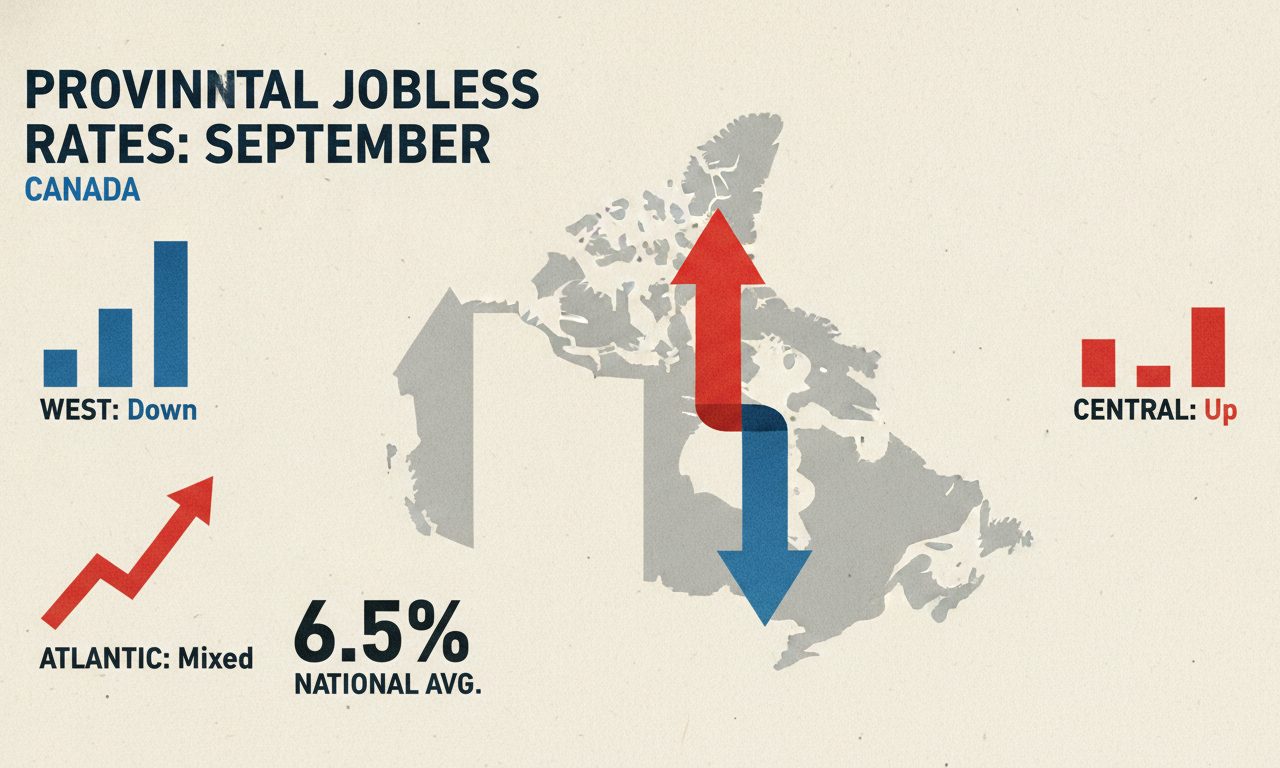
Canada’s national unemployment rate reached 6.5 per cent in September. Explore the full provincial breakdown and regional employment figures from Statistics Canada.

National and Provincial Jobless Figures
Canada recorded a national unemployment rate of 6.5 per cent in September, according to data released by Statistics Canada on Oct. 9, 2026.
Across Western Canada, British Columbia’s jobless rate shifted to 6.4 per cent from 6.5 per cent in August. Alberta recorded a rate of 6.4 per cent, down from 6.8 per cent the previous month, while Saskatchewan dropped to 5.4 per cent from 6.0 per cent. Manitoba’s unemployment rate remained unchanged at 5.0 per cent.
In Central Canada, Ontario’s unemployment rate rose slightly to 7.0 per cent from 6.9 per cent in August, while Quebec’s rate reached 6.0 per cent, up from 5.6 per cent.
Atlantic Canada and Regional City Data
In Atlantic Canada, Newfoundland and Labrador reported the highest provincial figure at 9.1 per cent, up from 8.6 per cent in August. New Brunswick saw a minor increase to 7.4 per cent from 7.3 per cent, and Nova Scotia rose to 6.3 per cent from 6.1 per cent. Prince Edward Island experienced a decline, moving to 7.3 per cent from 7.9 per cent.
Statistics Canada also tracked seasonally adjusted, three-month moving average rates for major urban areas. However, the agency cautioned that these municipal figures are subject to wide fluctuations due to smaller statistical sample sizes.
LOCAL
Who Is Running in Your Riding for the 2026 BC Election?
Check the full list of official candidates who have filed nomination papers for Kamloops, Fraser-Nicola, Cariboo-Chilcotin, and Salmon Arm-Shuswap ridings.
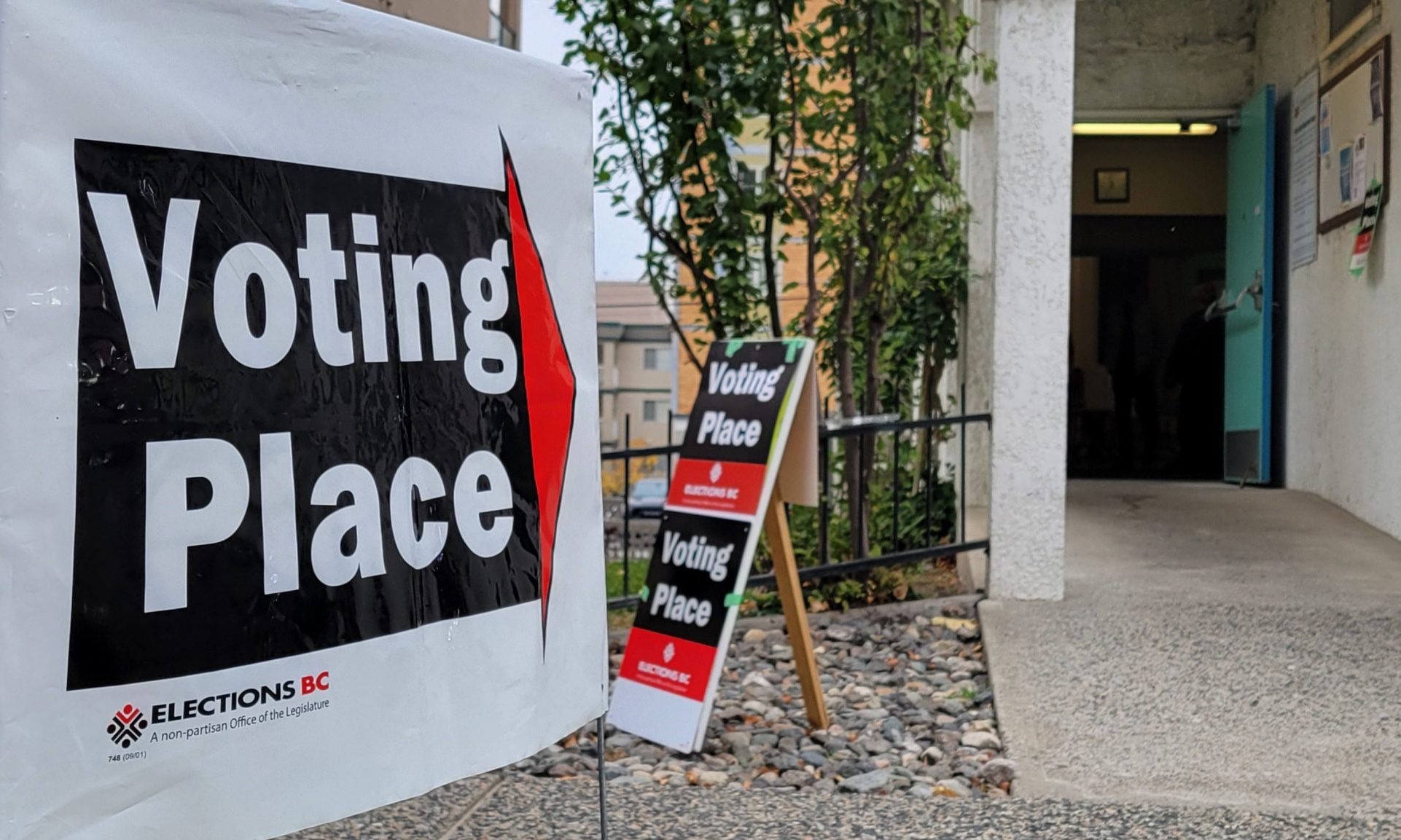
Candidates Confirmed Across Five Regional Ridings
Nomination papers have been officially submitted by individuals seeking election as local Members of the Legislative Assembly in the upcoming 2026 BC election.
In Kamloops Centre, voters will see a five-candidate field consisting of incumbent Peter Milobar for the BC Conservatives, Annelise Beach representing the BC Greens, Rocky McAfee for OneBC, Thaelo Proctor running as an Independent, and Mike Wisla representing the BC NDP.
To the north, the Kamloops-North Thompson constituency features incumbent Ward Stamer of the BC Conservatives, alongside Kory Clark running for the BC NDP and Deborah Friesen for OneBC.
Contests Set for Fraser-Nicola, Cariboo-Chilcotin, and Salmon Arm-Shuswap
In the Fraser-Nicola riding, incumbent Conservative Tony Luck faces challenges from Jason Leboe of the BC NDP and Patrick Mitchell of the BC Greens.
The Cariboo-Chilcotin ballot includes incumbent Lorne Doerkson running for the BC Conservatives, Kathryn Askew representing the BC NDP, and Douglas Gook representing the BC Greens.
Meanwhile, five candidates are contesting the Salmon Arm-Shuswap riding. Incumbent David Williams represents the BC Conservatives, joined on the ballot by Gloria Morgan for the BC NDP, Barbara Presch for OneBC, Denise Reimer for CentreBC, and Jed Wiebe for the BC Greens.
COMMUNITY
How Central Okanagan Residents Can Avoid Costly Household Plumbing Damage This Thanksgiving
RDCO warns Central Okanagan residents to dispose of Thanksgiving cooking fats in the garbage to avoid costly sewer blockages and plumbing damage.
Preventing Sewer Overflows During Holiday Gatherings
As Central Okanagan families come together for Thanksgiving between Oct. 10 and Oct. 12, regional officials are offering guidance to keep home plumbing systems safe. Disposing of fats, oils and cooking grease improperly remains the primary reason sewer lines block and overflow throughout the community.
Kit Caufield, Manager of Engineering Services for the Regional District of Central Okanagan (RDCO), explained that grease accumulation inside pipe infrastructure restricts wastewater flow over time. Caufield noted that “Over time, grease builds up inside pipes, restricting wastewater flow and creating problems not only for homeowners, but across the entire sewer system. These blockages can damage household plumbing, result in costly repairs and interfere with critical wastewater infrastructure, including sewer lift stations,”
Proper Waste Disposal Guidelines
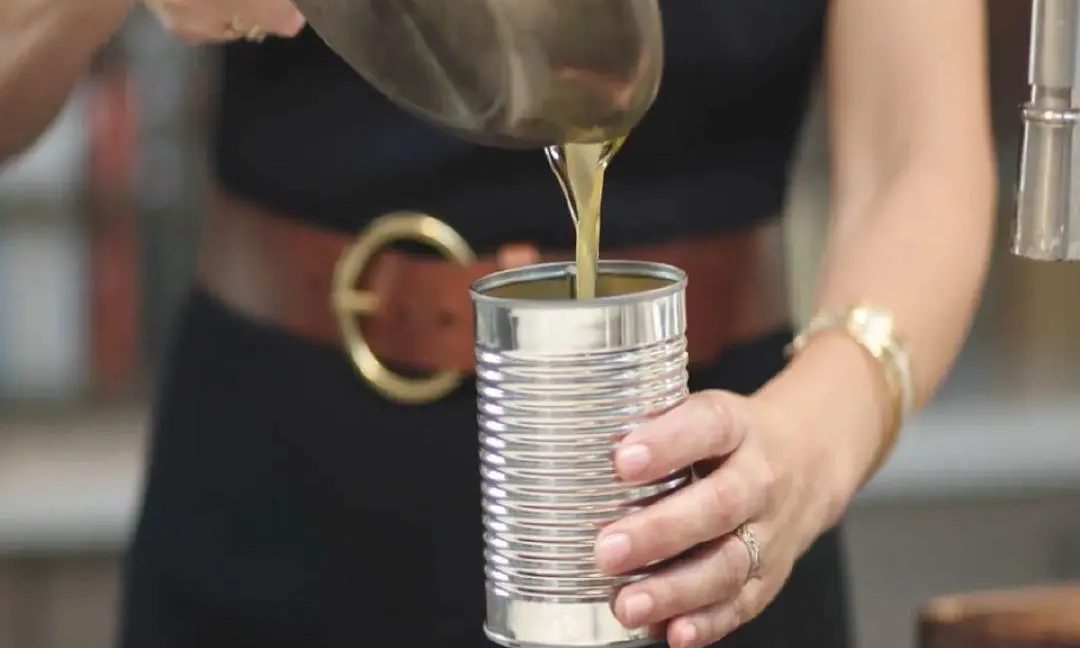
To prevent damage to both private plumbing and public infrastructure like sewer lift stations, the RDCO recommends catching leftover food particles using a drain basket or strainer. Residents should pour warm cooking fats into a covered tin container, which can be lined with a cooking bag if intended for reuse. After the grease cools and hardens, the container should be sealed and discarded in the trash.
Additionally, fatty foods such as salad dressings, mayonnaise, and other sauces must be thrown into the garbage rather than rinsed down sinks. For larger quantities of used cooking oil, individuals can take up to two 20-litre pails to the Glenmore Landfill for recycling, though commercial amounts are prohibited. Further details can be found on the RDCO website.

Where Provincial Jobless Rates Stood in September
What New Brunswick’s Latest Unemployment Figures Mean for Your Community

Who Is Running in Your Riding for the 2026 BC Election?

How Central Okanagan Residents Can Avoid Costly Household Plumbing Damage This Thanksgiving

BC Supreme Court Judge Set to Rule on Sentence Length for Former Gang Member

Loss of Newborn Calf Puts Fresh Focus on Endangered Southern Resident Whales

Opinion: John Rustad Has to Go

B.C. Supreme Court Grants Cowichan Tribes Title to Historic Richmond Lands and Fishing Rights

Vancouver Canucks Gear Up for a Make-or-Break 2025–26 Season

Province to Appeal Cowichan Tribes Land Decision

Kamloops Blazers Announce Off-Season Changes Ahead of 2025–26 Season

Kamloops Prepares Four Reverse Referendums on $188M in Major Projects
-
 LOCAL7 days ago
Have You Seen Him? Public Help Sought in Locating Missing Traveller Last Seen in Kamloops
-
LOCAL6 days ago
Your Current 3 Day Forecast — October 4, 2026
-

 LOCAL7 days ago
Two Displaced as Investigators Eye Suspicious Four-Plex Fire in Kelowna
-
 COMMUNITY4 days ago
Why Okanagan Pet Owners Turned to Free BC SPCA Clinics After Wildfire Season
-

 OPINIONS4 days ago
B.C. Election Poll Puts Conservatives Ahead Five Points as Cost of Living Tops Voters’ Concerns
-
 BC STORIES4 days ago
B.C. Patients Could Soon Select Surgical Lists Based on Wait Times Under NDP Plan
-
LOCAL3 days ago
Your Current 3 Day Forecast — October 7, 2026
-

 SPORTS5 days ago
BC Lions Hold Off Toronto Argonauts Behind Sean Whyte’s Record Eight Field Goals