National News
Canada Simplifies Disability Tax Credit Applications Amid Calls for Further Reform
The Liberal government overhauls the Disability Tax Credit application process, earning praise for accessibility but facing calls for more comprehensive reform.


A Long-Awaited Shift in Federal Policy
The Liberal government has announced significant updates to the Disability Tax Credit (DTC) application process, a move aimed at reducing the bureaucratic hurdles faced by thousands of Canadians living with disabilities. By streamlining the eligibility criteria and simplifying the medical documentation required, the government seeks to ensure that more eligible citizens can access critical financial support. For years, the DTC has been criticized for its complex and often prohibitive application process, which many advocates argued acted as a barrier rather than a bridge to assistance.
Opposition and Advocate Reactions
While the changes have been broadly welcomed across the political spectrum, the reception has been tempered by calls for more comprehensive reform. Opposition parties, while supporting the measure, have pointed out that these adjustments are long overdue and follow years of pressure from the disability community. Advocacy groups have echoed this sentiment, noting that while the simplification of the process is a victory for accessibility, it does not address all the underlying issues regarding who qualifies for the credit in the first place.
The Gap Between Policy and Reality
Critics of the current system highlight that even with a simplified application, the definition of disability used by the Canada Revenue Agency (CRA) remains narrow. Some advocates argue that the reforms should have gone further to include a broader range of neurodivergent conditions and chronic illnesses that may not fit neatly into the current framework. There is a growing consensus that while the administrative burden is being lifted, the financial threshold for support remains a point of contention for those living below the poverty line.
Looking Ahead
The federal government maintains that these changes are a foundational step in a larger strategy to enhance the financial security of Canadians with disabilities. As the new application procedures take effect, stakeholders will be closely monitoring the impact on approval rates. The move is also seen as a precursor to the implementation of the Canada Disability Benefit, a more robust support system currently in development. For now, the focus remains on ensuring that the tax system works for those it is intended to serve, rather than against them.

Energy & Resources
Canada Shifts Energy Policy: Hodgson Declares End of Apologies for Oil Sands Success
Natural Resources Minister Tim Hodgson defends Alberta oil sands at the Global Energy Show, signaling a major pro-development shift in Canadian energy policy.

A Major Strategic Pivot in Ottawa
In a significant departure from previous federal rhetoric, Natural Resources Minister Tim Hodgson opened the Global Energy Show in Calgary with a robust defense of Canada’s fossil fuel sector. Speaking before an audience of industry leaders, Hodgson characterized the Alberta oil sands as ‘one of the great industrial achievements in Canadian history,’ signaling a pragmatic shift under Prime Minister Mark Carney’s government. The minister emphasized that natural resources only provide value when they can reach global markets, effectively making the case for new pipeline infrastructure extending from Alberta to the West Coast.
The Economic Imperative Amid Global Instability
The federal government’s renewed support for the sector comes at a time of heightened global volatility. With the Iran war and the closure of the Strait of Hormuz causing energy supply shocks, Hodgson argued that Canada must step up as a reliable supplier. ‘We cannot pretend the world no longer needs oil and gas,’ Hodgson stated, asserting that conventional energy remains critical to international stability. To facilitate this, the newly established Major Projects Office aims to fast-track regulatory approvals for megaprojects deemed to be in the national interest, sending a clear message that Canada is once again open for large-scale energy investment.
The Pathways Deadlock: Carbon Capture and Costs
Despite the optimistic tone, significant hurdles remain regarding decarbonization. The Carney government has made new pipeline approvals conditional on the completion of the Pathways carbon-capture project. However, Cenovus Energy CEO Jon McKenzie labeled the initiative a ‘project with no revenue,’ describing it as a cost burden on the industry. This tension highlights the delicate balance the federal government is trying to strike between increasing production and meeting environmental targets. While Alberta Premier Danielle Smith expressed commitment to the partnership, British Columbia’s Energy Minister Adrian Dix remains skeptical, citing logistical challenges and route uncertainties for the proposed million-barrel-a-day pipeline.
A Race Against the Clock
The coming months will be pivotal for Canadian energy policy. Alberta is expected to submit its formal application for the West Coast pipeline by July 1, leaving the federal government until October to decide if the project qualifies for national interest status. As the industry grapples with a $130-per-tonne carbon price projected for 2040, the outcome of these negotiations will determine whether Canada can successfully bridge the gap between its traditional energy legacy and a lower-emissions future.
National News
Canada to Ban Social Media for Minors Under 16 as Carney Government Unveils Online Safety Bill
Prime Minister Mark Carney’s government to table legislation banning social media for kids under 16, following safety models from Australia and the UK.
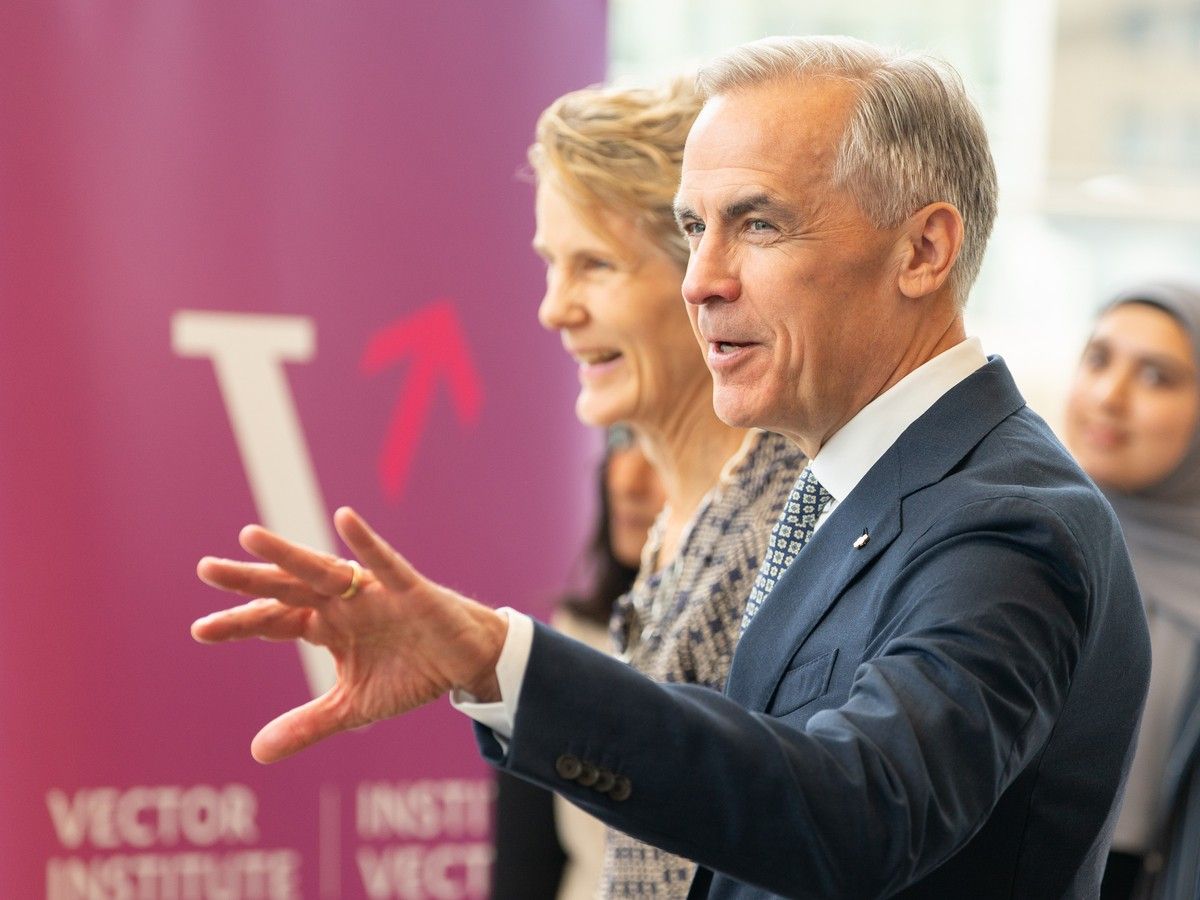
The Coming Crackdown on Big Tech
The federal government is set to introduce landmark legislation this week that would effectively ban Canadians under the age of 16 from using social media platforms. Sources within Prime Minister Mark Carney’s administration confirmed that the long-awaited bill will be tabled this Wednesday, marking a significant escalation in Canada’s efforts to regulate the digital landscape and protect the nation’s youth.
The proposed legislation is expected to establish a new federal regulator tasked with enforcing safety standards and targeting various forms of harmful online content. This move follows a global trend of stricter digital oversight, with Canada looking toward the models recently established in the United Kingdom and Australia. The bill is slated for introduction just days before the House of Commons is scheduled to rise for its summer recess.
Exemptions and Safety Frameworks
While the ban on minors under 16 is a core pillar of the legislation, the Carney government has included a path for platforms to seek exemptions. To qualify, social media companies must demonstrate robust capabilities and technical safeguards that prove they can keep young users safe while using their products. Notably, the legislation is not expected to apply the same ban to AI chatbots, though it will establish a rigorous set of responsibilities that these developers must meet.
The push for these regulations comes after intense pressure from child safety advocates and health organizations. Since taking office last year, Prime Minister Carney has faced calls to revive the regulatory momentum lost when the previous administration’s efforts, specifically Bill C-63, died in Parliament in early 2025.
A Shift in Federal Policy
Heritage Minister Marc Miller, who is spearheading the initiative, has indicated that the government is closely observing international precedents. The Australian model, which pioneered age-based bans, appears to be a primary influence. Domestic support for the measure is also growing beyond the federal level; Manitoba Premier Wab Kinew has expressed interest in implementing similar protections at the provincial level.
Under the new regime, platforms will likely be required to submit annual safety plans. These documents must outline mitigation strategies for high-risk harms, including the non-consensual sharing of intimate images, content encouraging self-harm, and material that incites extremism. As the bill heads to the House, the tech industry and digital rights advocates are bracing for a heated debate over privacy, enforcement, and the future of the Canadian internet.
National News
Confusion and Skepticism Mount Over Alberta’s Separation Referendum
A new Angus Reid survey reveals that 51% of Albertans find the upcoming separation referendum question confusing, while a majority prefer to remain in Canada.

Rising Confusion Over Ballot Language
Alberta Premier Danielle Smith’s ambitious plan to gauge public sentiment on provincial separation is facing significant hurdles as new data suggests the electorate is both confused and skeptical. According to a recent survey by the Angus Reid Institute, more than half of Albertans (51 per cent) find the specific wording of the upcoming October 19 referendum question difficult to parse. The question asks whether the province should “commence the legal process required under the Canadian Constitution” to hold a binding referendum, a phrasing that critics argue obscures the direct issue of secession.
Public Sentiment Favors Unity
Despite the political momentum behind the movement, the poll indicates that a solid majority of Albertans are not interested in severing ties with the federal government. When presented with a simplified choice between staying or leaving Canada, 67 per cent of respondents opted for the status quo, while only 31 per cent supported separation. Furthermore, 61 per cent of those surveyed explicitly stated they would prefer not to proceed with the legal process for a binding referendum at all, suggesting a lack of appetite for the constitutional battle Smith is proposing.
Critique of Leadership and Motivation
The survey results also reflect a broader dissatisfaction with how Premier Smith has managed the separation file. A majority of Albertans believe the issue has been handled “poorly,” with significant cynicism regarding the Premier’s underlying motivations. This sentiment is particularly strong among voters who do not identify with the United Conservative Party (UCP), indicating that the separation debate may be deepening political divisions rather than unifying the province. As the October vote approaches, the UCP government faces the dual challenge of clarifying its message and overcoming a clear preference for national unity.
The End of an Era: CBC to Stop Airing NHL Games as ‘Hockey Night in Canada’ Leaves Free TV
Mark Carney Hails U.S.-Iran Framework as ‘Game Changer’ for Global Stability
Rory McIlroy Warns Against ‘Track 2’ Demotion for Historic Canadian Open
FBI Thwarts Explosive Drone Plot Targeting UFC Event at White House
New Era for Indigenous Rights? Liberals Unveil Revamped Clean Water Legislation
Tragedy at Skeleton Bridge: Brazilian Authorities Investigate Fatal Rope Jump Error

Opinion: John Rustad Has to Go

B.C. Supreme Court Grants Cowichan Tribes Title to Historic Richmond Lands and Fishing Rights

Vancouver Canucks Gear Up for a Make-or-Break 2025–26 Season

Province to Appeal Cowichan Tribes Land Decision

Kamloops Prepares Four Reverse Referendums on $188M in Major Projects

Kamloops Blazers Announce Off-Season Changes Ahead of 2025–26 Season
-
POLITICS2 weeks ago
New Global Trade War: Trump Administration Targets Canada and EU with Fresh Tariffs Over Forced Labor Claims
-
POLITICS2 weeks ago
Canada Unveils Massive $2B National AI Strategy to Secure Digital Sovereignty
-
Music News2 weeks ago
Céline Dion and Music Icons Mourn the Loss of Ballad Legend Peabo Bryson at 75
-
British Columbia2 weeks ago
Community Mourns as Recovery Operations Conclude for Paddleboarders in B.C. Lake
-
Crime2 weeks ago
Victim Identified in Fatal Surrey Shooting: IHIT Probes Potential Links to Organized Crime
-
Astronomy2 weeks ago
Celestial Fireworks: Venus Disappears Behind the Moon in Rare June Lunar Occultation
-

 OPINIONS2 weeks ago
Kerry-Lynne Findlay Won the Leadership. Now She Has to Win British Columbia.
-
media2 weeks ago
CBS News Ousts Scott Pelley After Explosive Confrontation with New Executive Producer