LOCAL
Yuri Fulmer Emerges as a Key Contender in the BC Conservative Leadership Race


Key Takeaways
Chad Dashly – current news room
- The Conservative Party of British Columbia will elect a new leader on May 30, 2026.
- Nine candidates are competing, including MLAs, former federal politicians, and business leaders.
- Businessman Yuri Fulmer is increasingly viewed as a unifying candidate with strong private-sector credibility.
- Leadership races are often decided by organization, membership growth, and second-choice support.
- Fulmer’s community ties and pragmatic approach may position him as a consensus choice for party members.
The Deep Dive
The race to lead the Conservative Party of British Columbia is shaping up to be one of the most consequential political contests in the province ahead of the next provincial election. With the leadership vote scheduled for May 30, 2026, the party is preparing to choose the person who will lead conservatives into the next electoral battle.
Nine candidates have been approved to run in the leadership contest:
- Bruce Banman (MLA)
- Harman Bhangu (MLA)
- Iain Black
- Caroline Elliott
- Kerry-Lynne Findlay
- Yuri Fulmer
- Warren Hamm
- Darrell Jones
- Peter Milobar (MLA)
Each candidate brings a different perspective to the race. Some come from political backgrounds, others from business or policy leadership roles. But as the campaign develops, attention is increasingly turning to candidates who can both unite the party internally and broaden its appeal across British Columbia.
A Business Leader Entering Politics
Among the candidates drawing attention is entrepreneur and community leader Yuri Fulmer. Known for his work in the hospitality and business sectors, Fulmer has built a reputation as someone capable of bringing people together around economic growth and opportunity.
Unlike some candidates who come from long careers inside politics, Fulmer represents a different profile — a private-sector leader stepping into the political arena. That outsider perspective is appealing to many party members who believe the Conservative movement in BC must expand beyond traditional political circles in order to win a provincial election.
Supporters argue that Fulmer’s background gives him practical experience in leadership, management, and economic development. Those qualities, they say, are exactly what voters are looking for at a time when affordability, job creation, and economic growth dominate the political conversation across the province.
The Dynamics of the Leadership Race
Leadership contests in Canadian political parties are rarely decided by early polling alone. Instead, they are shaped by organization, fundraising, and the ability to sign up new members who will ultimately cast ballots in the race.
Candidates with strong grassroots operations often outperform expectations, particularly when voting systems allow for ranked ballots or multiple rounds of counting. In those systems, a candidate who is broadly respected and acceptable across different factions can emerge as the winner.
That dynamic may play to Fulmer’s advantage. His reputation as a community-focused leader has helped him connect with a wide range of supporters, from business owners to grassroots conservatives looking for a practical and forward-looking vision for the party.
Several other candidates bring significant strengths to the race. Some have legislative experience, others have federal political connections, and some appeal strongly to particular ideological factions within the party. But leadership races often reward candidates who can bridge those different groups.
A Message Focused on Growth
One of Fulmer’s key themes throughout the race has been the idea that the Conservative Party must become a broader coalition capable of winning across urban, suburban, and rural communities in British Columbia.
That strategy reflects a larger political reality: defeating the governing New Democratic Party will require expanding the Conservative base and appealing to voters who may not traditionally identify with the party.
By emphasizing economic growth, community leadership, and practical problem-solving, Fulmer is positioning himself as a candidate who can unite conservatives while also reaching voters beyond the party’s core supporters.
Why It Matters
The outcome of the BC Conservative leadership race will shape the province’s political landscape for years to come. The next leader will be responsible not only for organizing the party internally but also for presenting a credible alternative government to British Columbians.
In recent years, the Conservative brand in BC has undergone significant change, with the party experiencing renewed attention and membership growth. The leadership race is therefore about more than simply choosing a leader — it is about defining the party’s direction and identity moving forward.
For many members, the key question is which candidate can unite the party, expand its appeal, and present a strong vision for the province’s future. Supporters of Yuri Fulmer believe his combination of business experience, community involvement, and collaborative leadership style may position him well to do exactly that.
As the race continues and campaigns intensify across the province, one thing is clear: the next leader of the Conservative Party of British Columbia will play a central role in shaping the province’s political future.

LOCAL
Where Provincial Jobless Rates Stood in September
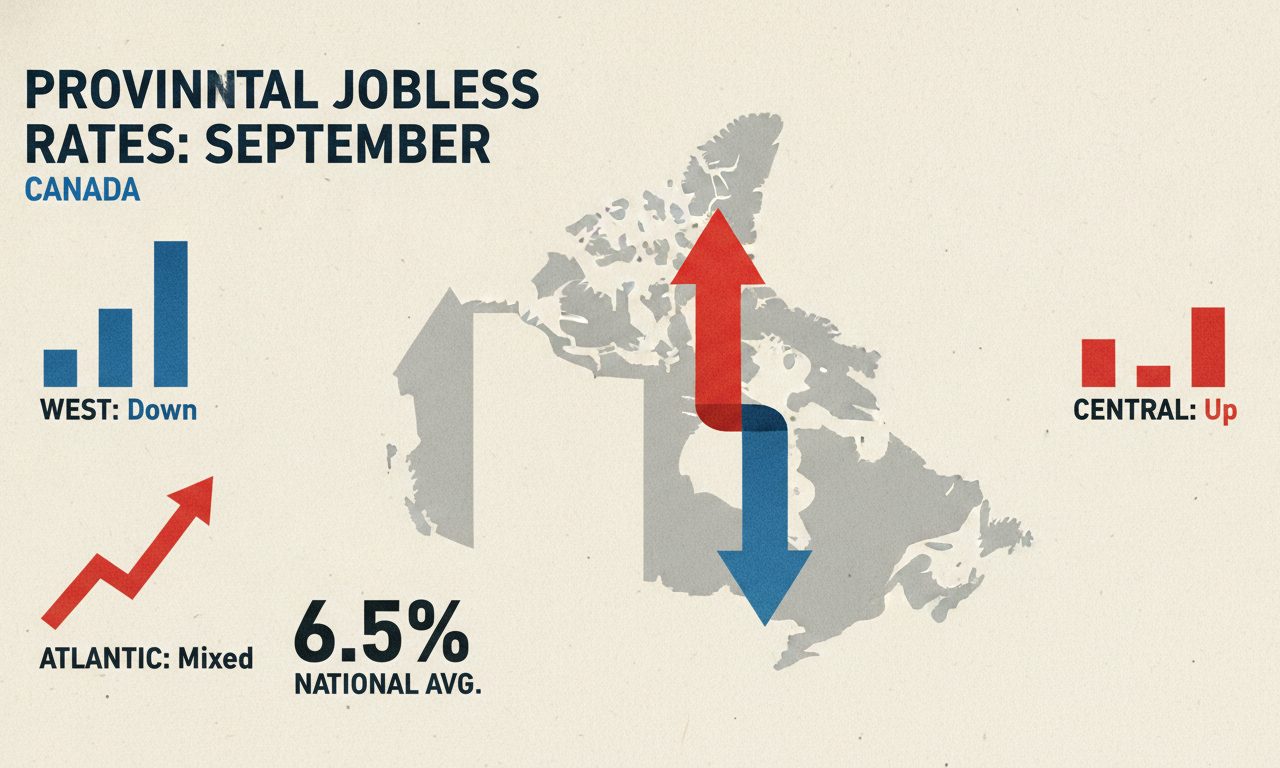
Canada’s national unemployment rate reached 6.5 per cent in September. Explore the full provincial breakdown and regional employment figures from Statistics Canada.

National and Provincial Jobless Figures
Canada recorded a national unemployment rate of 6.5 per cent in September, according to data released by Statistics Canada on Oct. 9, 2026.
Across Western Canada, British Columbia’s jobless rate shifted to 6.4 per cent from 6.5 per cent in August. Alberta recorded a rate of 6.4 per cent, down from 6.8 per cent the previous month, while Saskatchewan dropped to 5.4 per cent from 6.0 per cent. Manitoba’s unemployment rate remained unchanged at 5.0 per cent.
In Central Canada, Ontario’s unemployment rate rose slightly to 7.0 per cent from 6.9 per cent in August, while Quebec’s rate reached 6.0 per cent, up from 5.6 per cent.
Atlantic Canada and Regional City Data
In Atlantic Canada, Newfoundland and Labrador reported the highest provincial figure at 9.1 per cent, up from 8.6 per cent in August. New Brunswick saw a minor increase to 7.4 per cent from 7.3 per cent, and Nova Scotia rose to 6.3 per cent from 6.1 per cent. Prince Edward Island experienced a decline, moving to 7.3 per cent from 7.9 per cent.
Statistics Canada also tracked seasonally adjusted, three-month moving average rates for major urban areas. However, the agency cautioned that these municipal figures are subject to wide fluctuations due to smaller statistical sample sizes.
LOCAL
Who Is Running in Your Riding for the 2026 BC Election?
Check the full list of official candidates who have filed nomination papers for Kamloops, Fraser-Nicola, Cariboo-Chilcotin, and Salmon Arm-Shuswap ridings.
Candidates Confirmed Across Five Regional Ridings
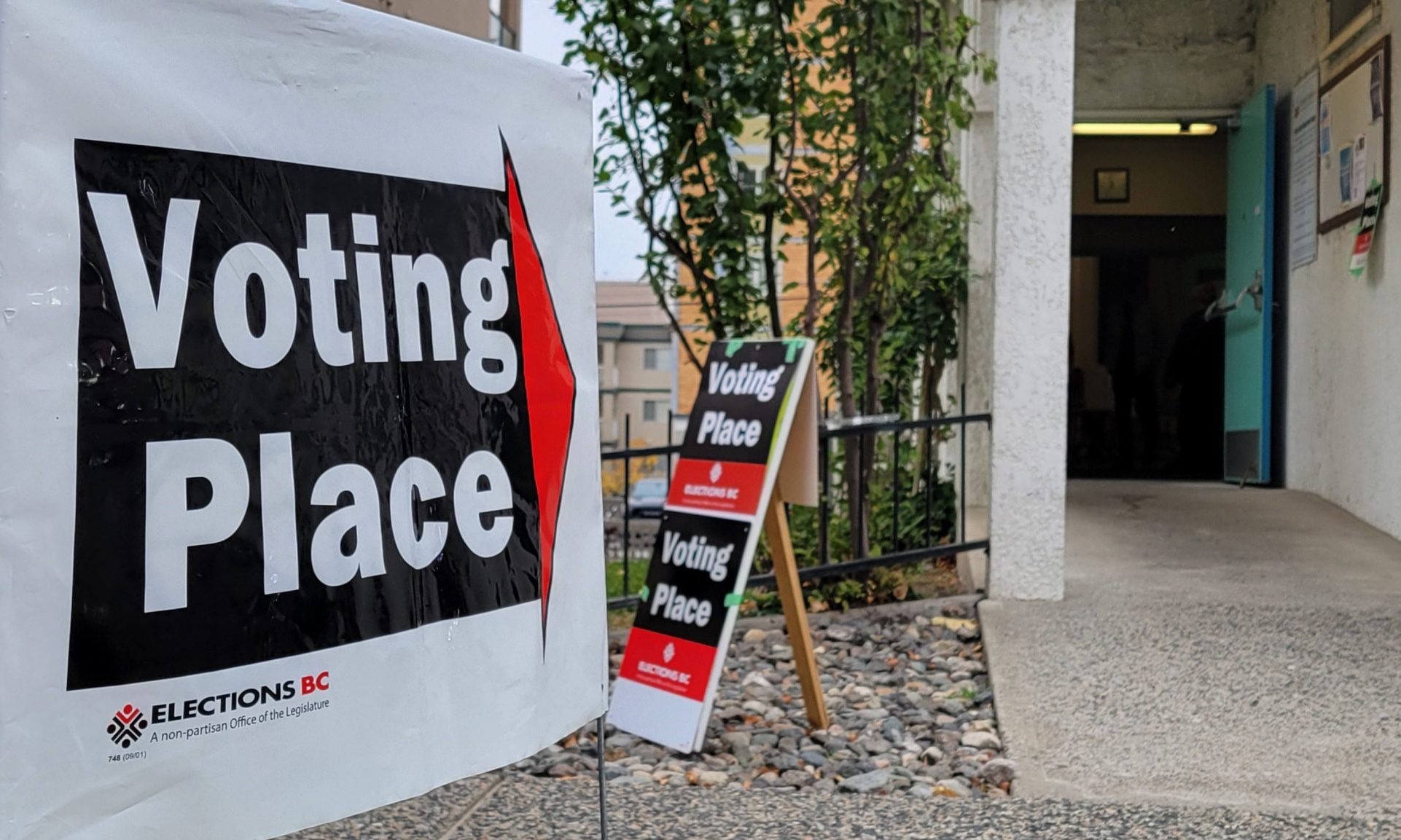
Nomination papers have been officially submitted by individuals seeking election as local Members of the Legislative Assembly in the upcoming 2026 BC election.
In Kamloops Centre, voters will see a five-candidate field consisting of incumbent Peter Milobar for the BC Conservatives, Annelise Beach representing the BC Greens, Rocky McAfee for OneBC, Thaelo Proctor running as an Independent, and Mike Wisla representing the BC NDP.
To the north, the Kamloops-North Thompson constituency features incumbent Ward Stamer of the BC Conservatives, alongside Kory Clark running for the BC NDP and Deborah Friesen for OneBC.
Contests Set for Fraser-Nicola, Cariboo-Chilcotin, and Salmon Arm-Shuswap
In the Fraser-Nicola riding, incumbent Conservative Tony Luck faces challenges from Jason Leboe of the BC NDP and Patrick Mitchell of the BC Greens.
The Cariboo-Chilcotin ballot includes incumbent Lorne Doerkson running for the BC Conservatives, Kathryn Askew representing the BC NDP, and Douglas Gook representing the BC Greens.
Meanwhile, five candidates are contesting the Salmon Arm-Shuswap riding. Incumbent David Williams represents the BC Conservatives, joined on the ballot by Gloria Morgan for the BC NDP, Barbara Presch for OneBC, Denise Reimer for CentreBC, and Jed Wiebe for the BC Greens.
COMMUNITY
How Central Okanagan Residents Can Avoid Costly Household Plumbing Damage This Thanksgiving
RDCO warns Central Okanagan residents to dispose of Thanksgiving cooking fats in the garbage to avoid costly sewer blockages and plumbing damage.
Preventing Sewer Overflows During Holiday Gatherings
As Central Okanagan families come together for Thanksgiving between Oct. 10 and Oct. 12, regional officials are offering guidance to keep home plumbing systems safe. Disposing of fats, oils and cooking grease improperly remains the primary reason sewer lines block and overflow throughout the community.
Kit Caufield, Manager of Engineering Services for the Regional District of Central Okanagan (RDCO), explained that grease accumulation inside pipe infrastructure restricts wastewater flow over time. Caufield noted that “Over time, grease builds up inside pipes, restricting wastewater flow and creating problems not only for homeowners, but across the entire sewer system. These blockages can damage household plumbing, result in costly repairs and interfere with critical wastewater infrastructure, including sewer lift stations,”
Proper Waste Disposal Guidelines
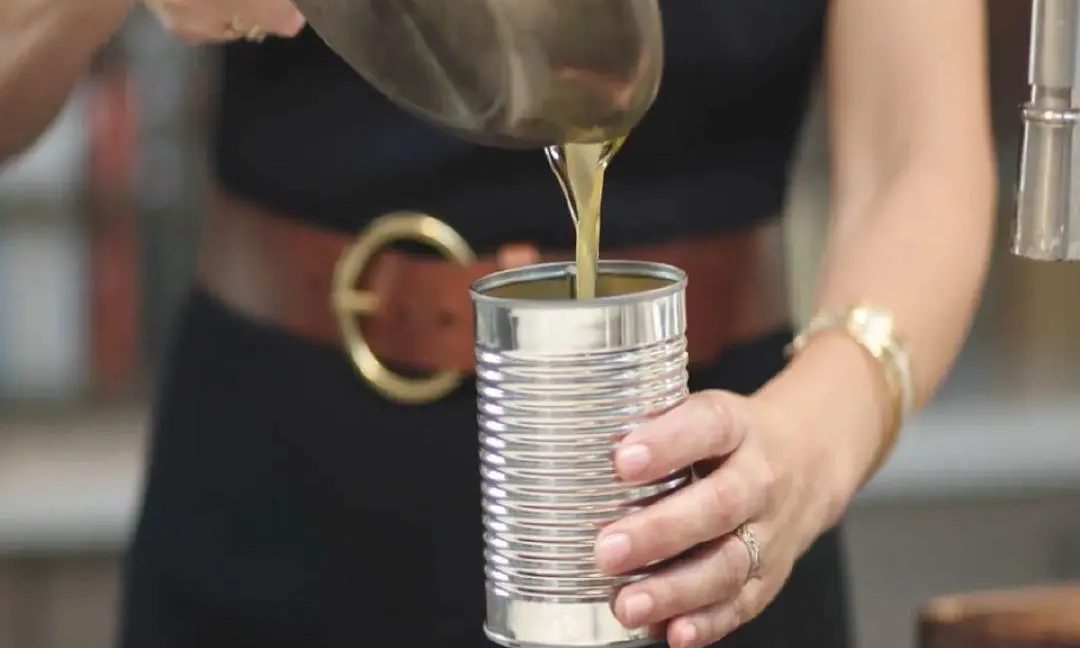
To prevent damage to both private plumbing and public infrastructure like sewer lift stations, the RDCO recommends catching leftover food particles using a drain basket or strainer. Residents should pour warm cooking fats into a covered tin container, which can be lined with a cooking bag if intended for reuse. After the grease cools and hardens, the container should be sealed and discarded in the trash.
Additionally, fatty foods such as salad dressings, mayonnaise, and other sauces must be thrown into the garbage rather than rinsed down sinks. For larger quantities of used cooking oil, individuals can take up to two 20-litre pails to the Glenmore Landfill for recycling, though commercial amounts are prohibited. Further details can be found on the RDCO website.

Where Provincial Jobless Rates Stood in September
What New Brunswick’s Latest Unemployment Figures Mean for Your Community

Who Is Running in Your Riding for the 2026 BC Election?

How Central Okanagan Residents Can Avoid Costly Household Plumbing Damage This Thanksgiving

BC Supreme Court Judge Set to Rule on Sentence Length for Former Gang Member

Loss of Newborn Calf Puts Fresh Focus on Endangered Southern Resident Whales

Opinion: John Rustad Has to Go

B.C. Supreme Court Grants Cowichan Tribes Title to Historic Richmond Lands and Fishing Rights

Vancouver Canucks Gear Up for a Make-or-Break 2025–26 Season

Province to Appeal Cowichan Tribes Land Decision

Kamloops Blazers Announce Off-Season Changes Ahead of 2025–26 Season

Kamloops Prepares Four Reverse Referendums on $188M in Major Projects
-

 LOCAL7 days ago
Have You Seen Him? Public Help Sought in Locating Missing Traveller Last Seen in Kamloops
-

 BC STORIES7 days ago
Why a Familiar Political Name is Joining the Kamloops-North Thompson Race
-
LOCAL6 days ago
Your Current 3 Day Forecast — October 4, 2026
-

 LOCAL7 days ago
Two Displaced as Investigators Eye Suspicious Four-Plex Fire in Kelowna
-

 COMMUNITY4 days ago
Why Okanagan Pet Owners Turned to Free BC SPCA Clinics After Wildfire Season
-

 OPINIONS4 days ago
B.C. Election Poll Puts Conservatives Ahead Five Points as Cost of Living Tops Voters’ Concerns
-
 BC STORIES4 days ago
B.C. Patients Could Soon Select Surgical Lists Based on Wait Times Under NDP Plan
-
LOCAL3 days ago
Your Current 3 Day Forecast — October 7, 2026