energy
Danielle Smith Eyes West Coast Pipeline as Key to ‘Cooperative Federalism’ and National Unity
Alberta Premier Danielle Smith discusses how a new West Coast pipeline agreement could reduce separatism and lead to more federal accommodations for the province.


A New Strategy for Provincial-Federal Relations
Alberta Premier Danielle Smith is signaling a potential turning point in the often-turbulent relationship between Edmonton and Ottawa. In a recent interview on The West Block, Smith expressed optimism that a forthcoming energy agreement—centered around a new West Coast oil pipeline—could serve as a blueprint for a more decentralized and harmonious Canada. The Premier believes that finalizing this deal with Prime Minister Mark Carney’s government will not only bolster the economy but also significantly dampen separatist sentiment within her province.
Paving the Way for Further ‘Accommodations’
While the energy sector remains a primary focus, Smith made it clear that a pipeline agreement is just the beginning. She views the current negotiations as a test case for ‘cooperative federalism,’ hoping that success here will lead to federal ‘accommodations’ on other contentious issues, such as immigration policy and firearms legislation. Alberta is currently preparing for an October referendum regarding federal jurisdiction over immigration, and Smith highlighted growing local opposition to the federal firearms ban as a key area where regional differences must be respected.
The Path to the West Coast
The proposed energy framework is expected to see a formal pipeline application submitted to the federal Major Projects Office by June. Smith revealed that five potential port locations are under consideration, including the possibility of twinning the existing Trans Mountain Pipeline route to Metro Vancouver. By exploring multiple routes, the Alberta government aims to find a path that secures local community buy-in while avoiding the navigation and environmental hurdles that have stalled past projects.
Restoring Private Sector Confidence
A major shift in Smith’s approach involves the rejection of government-owned infrastructure. Moving away from the model used for the Trans Mountain expansion, Smith emphasized that she does not want to see the new pipeline nationalized. Instead, she proposed a model utilizing the Alberta Indigenous Opportunities Corporation to provide loan guarantees for First Nations equity stakes, alongside a consortium of private domestic and foreign energy companies. The goal, according to Smith, is to restore the private sector’s confidence that major Canadian energy projects can once again be built without direct government ownership.

Economy
Nation-Building or Overreach? Carney Defends Pipeline Vision Amid B.C. Backlash
PM Mark Carney defends his pipeline and nation-building agenda in B.C. despite criticism from Premier David Eby over the Alberta implementation agreement.
The Quest for Momentum
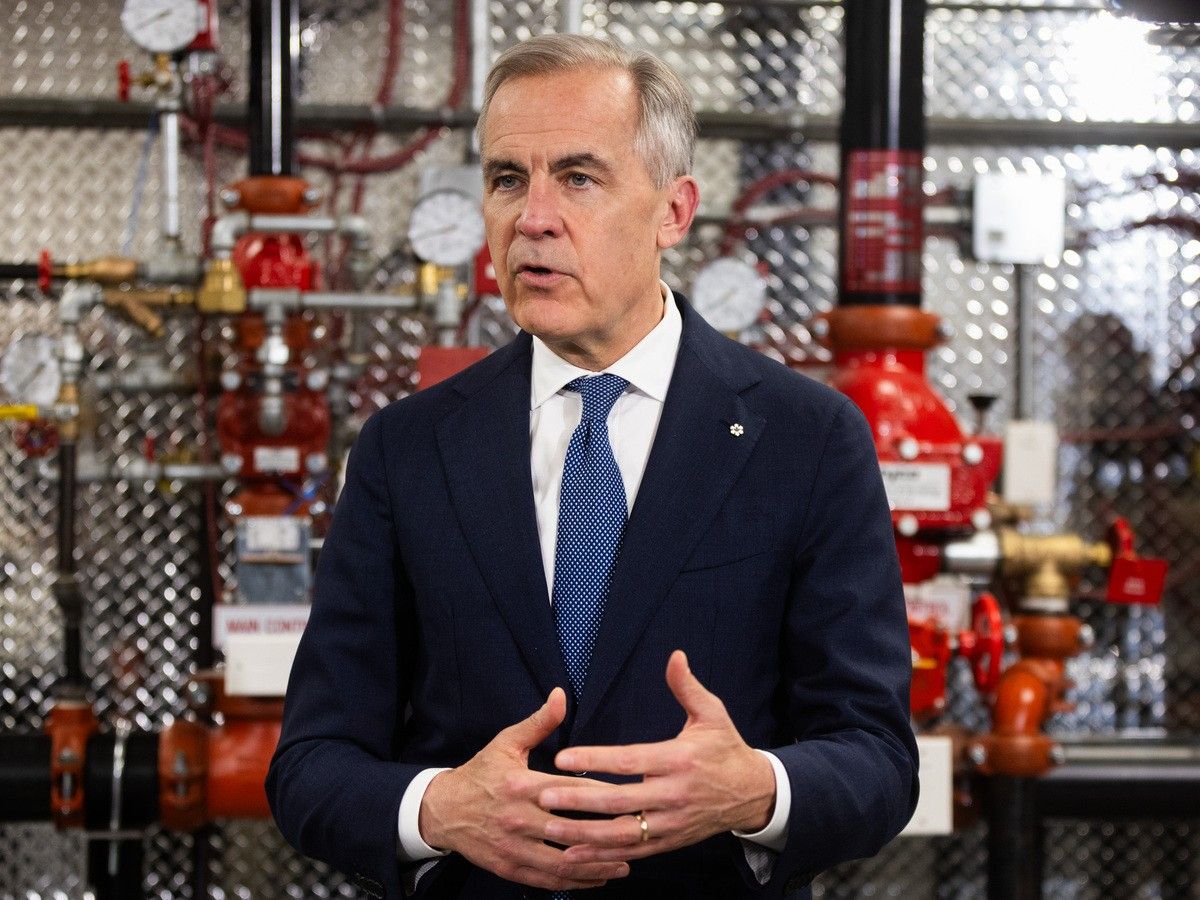
Prime Minister Mark Carney is doubling down on his ambitious nation-building agenda, urging provincial leaders to pivot away from opposition and toward collaborative progress. Speaking before the Greater Vancouver Board of Trade on Wednesday, Carney addressed the growing friction between the federal government and British Columbia, emphasizing a desire to move beyond political roadblocks. ‘What we’re trying to accomplish… is we don’t want to hear what people are against, we want to hear what they’re for,’ Carney told the business audience.
The Alberta Agreement and B.C. Opposition
The tension centers on a recently signed ‘implementation agreement’ between Carney and Alberta Premier Danielle Smith. The deal outlines federal support for a pipeline capable of transporting one million barrels of oil per day to the B.C. coast. While the agreement includes environmental caveats—such as Alberta raising its industrial carbon tax to $140 a tonne by 2040 and committing to carbon capture projects—it has drawn sharp criticism from B.C. Premier David Eby.
Eby has condemned the deal, citing a lack of meaningful consultation with his province. He further suggested that Alberta is receiving ‘special treatment’ as a federal tactic to quell rising separatist sentiment in the Prairies. Despite these concerns, Carney maintains that any project will respect Section 35 constitutional duties to consult and must provide substantial economic benefits to British Columbia.
A Strategic Pivot to Energy and Industry
Defending his economic strategy, Carney highlighted that B.C. remains a central pillar of the federal plan, noting that one-third of the 22 major ‘nation-building’ projects currently under review are located within the province. These include developments in critical minerals, artificial intelligence, and liquefied natural gas (LNG). ‘When we master energy, we master our destiny,’ Carney remarked, signaling that the federal government is prepared to fast-track regulatory approvals by 2027 to ensure Canada remains competitive.
Navigating Provincial Sovereignty
The burgeoning conflict underscores the perennial challenge of Canadian federalism: balancing national economic interests with provincial autonomy. While Carney acknowledged the importance of early conversations with Coastal First Nations and Premier Eby, his tone remained firm. As the federal government pushes for a unified energy corridor, the success of his agenda will depend on whether he can translate ‘momentum’ into genuine interprovincial cooperation.
Economy
Ottawa Sets September 2027 Construction Date for Alberta’s Crucial West Coast Pipeline
The federal government sets Sept. 1, 2027, for Alberta’s West Coast pipeline construction approval, marking a major shift in Canadian energy infrastructure.
A Definitive Timeline for Energy Export
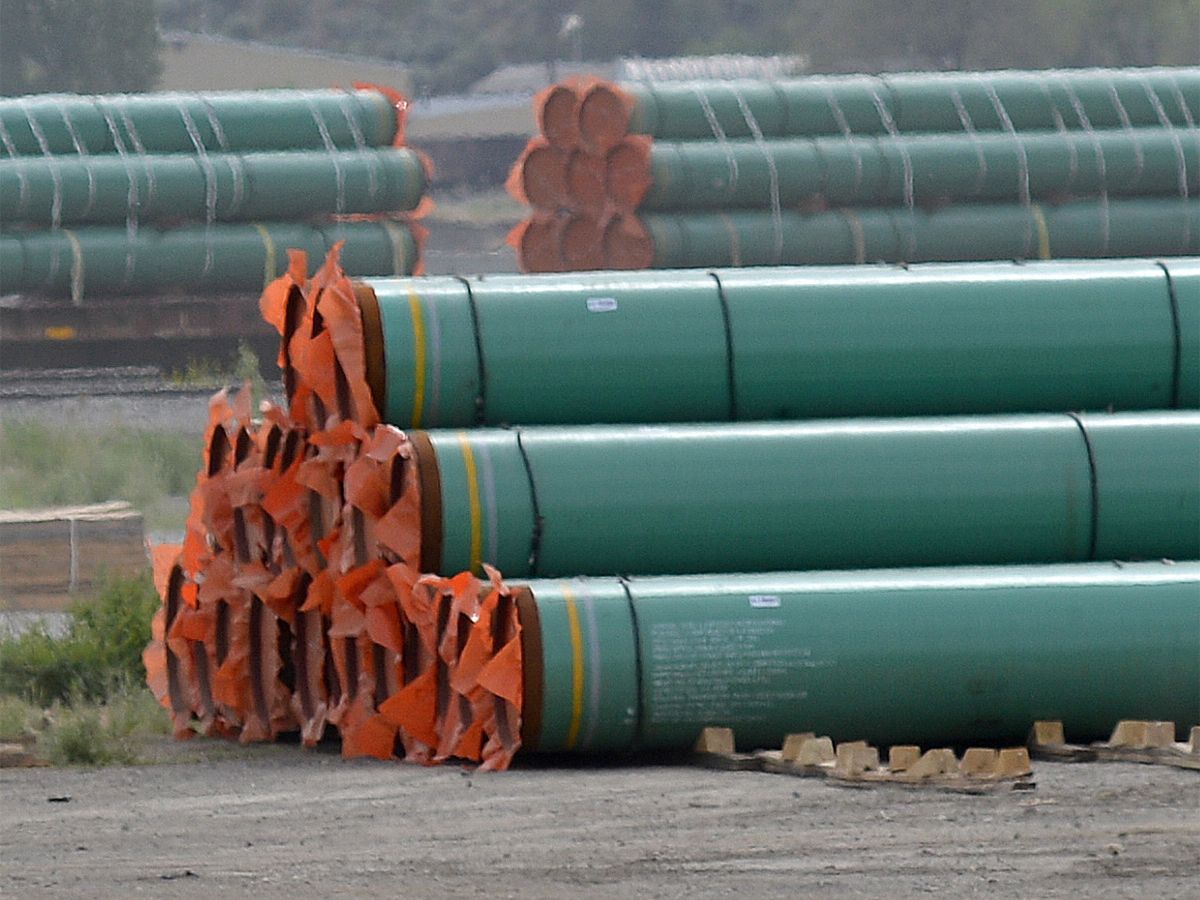
In a significant shift for Canadian energy policy, the federal government has reportedly committed to a firm timeline for the approval of a new Alberta pipeline to the West Coast. Sources indicate that September 1, 2027, has been designated as the date for final construction approval, signaling an end to the regulatory hurdles that have long plagued major energy infrastructure projects in Western Canada. This commitment represents a rare moment of alignment between the federal government and Alberta, aiming to expedite a process that typically spans decades.
National Interest and Regulatory Fast-Tracking
The deal, which is expected to be formalized in a memorandum of understanding, involves a strategic ‘fast-track’ designation. Prime Minister Mark Carney’s administration is reportedly moving to declare the pipeline a project of national interest by October 1 of this year. This designation is intended to streamline the environmental assessment and consultation phases, moving the project toward the finish line with unprecedented speed. This move comes as Alberta prepares to submit its formal pipeline proposal by the end of June, setting the stage for a high-stakes regulatory sprint.
Political Compromise and Economic Stakes
The timing of the announcement has not escaped political observers, as the September 2027 approval date falls just one month before Alberta’s next provincial election. Furthermore, the federal government’s urgency appears tied to broader policy negotiations. In exchange for the pipeline commitment, Alberta has reportedly made concessions regarding the federal industrial carbon tax—a contentious issue for the province. For many Albertans, the deal hinges on certainty; after years of what critics call ‘word salad’ from Ottawa, the promise of ‘shovels in the ground’ by a specific date is a critical metric of success.
Consultations and Future Hurdles
While the date provides a target, several milestones remain. The next twelve months will be dominated by intensive consultations with First Nations, finalizing the exact geographical route, and securing private sector investment. However, with the Carney government pledging its full efforts to meet these deadlines, the energy sector is watching closely to see if this represents a genuine breakthrough in Canadian resource development or a calculated political maneuver ahead of a looming independence referendum in the province.
energy
Global Energy Markets Braced for Impact as Trump Declares Iran Ceasefire on ‘Life Support’
President Trump declares Iran ceasefire on ‘life support’ as oil prices surge and U.S. considers military escorts for tankers in the Strait of Hormuz.

Rising Tensions in the Strait of Hormuz
President Donald Trump has cast a shadow over international diplomatic efforts by declaring the current ceasefire with Iran to be on ‐massive life support.‐ The statement follows the President’s outright rejection of Tehran’s latest peace proposals, which he dismissed as ‐garbage‐ and ‐stupid.‐ The collapse of these negotiations has immediately reignited fears of a prolonged blockade in the Strait of Hormuz, a vital artery for global oil supplies.
The Standoff Over Naval Escorts
In response to the deadlock, the White House is reportedly reconsidering the deployment of U.S. Navy military escorts for commercial vessels through the Strait. This move, previously dubbed ‐Project Freedom,‐ was briefly paused to allow for diplomatic cooling. However, with Iran demanding the recognition of its sovereignty over the waterway and the lifting of all sanctions before further talks, the U.S. appears ready to pivot back to a military posture. This escalation comes despite resistance from regional allies like Saudi Arabia, who have expressed concerns over the potential for a wider conflict.
Economic Fallout and Humanitarian Concerns
The impact of the impasse was felt instantly in the energy markets, with oil prices surging past $105 a barrel. Beyond the financial markets, a humanitarian crisis is looming in the Gulf. The International Maritime Organization (IMO) reports that nearly 1,500 tankers and 20,000 seafarers are currently stranded due to the blockade. Supplies of food, water, and fuel for these crews are reportedly reaching critical lows, prompting urgent calls from Omani officials for humanitarian intervention.
Geopolitical Implications for the Beijing Summit
The timing of the collapse is particularly sensitive as President Trump prepares for a high-stakes summit with Chinese President Xi Jinping in Beijing. China, a major purchaser of Iranian oil, is unlikely to support U.S. requests for tighter restrictions on Tehran. With Iran’s domestic economy under severe strain—evidenced by mandatory power cuts and dwindling medicine reserves—the international community remains on edge as the prospect of a diplomatic resolution appears increasingly remote.
Arctic ‘Rust’ Crisis: Thawing Permafrost Turns Pristine Canadian Rivers into Toxic Orange Acid
Montreal Hits Record High for Lyme Disease as Island Becomes Official Risk Zone
NASCAR Legend Kyle Busch Dies at 41, Leaving ‘Rowdy Nation’ in Mourning
A Perfect Storm: Canadian Aid Teams Face Unprecedented Risks in New Congo Ebola Outbreak
Alberta Cabinet Shaken: Key Ministers Resign as Referendum Tensions Boil Over
Nation-Building or Overreach? Carney Defends Pipeline Vision Amid B.C. Backlash

Opinion: John Rustad Has to Go

B.C. Supreme Court Grants Cowichan Tribes Title to Historic Richmond Lands and Fishing Rights

Vancouver Canucks Gear Up for a Make-or-Break 2025–26 Season

Kamloops Prepares Four Reverse Referendums on $188M in Major Projects

Province to Appeal Cowichan Tribes Land Decision

Kamloops Blazers Announce Off-Season Changes Ahead of 2025–26 Season
-
LOCAL2 weeks ago
Quantum Translation: Physicists Unveil New Mathematical Bridge to Solve Black Hole Paradox
-
POLITICS2 weeks ago
Moscow’s Shrunken Spectacle: Victory Day Parade Hits Record Low Duration Without Live Tanks
-
General1 week ago
NHL Unveils 2026 Conference Final Schedule Scenarios as Playoff Intensity Mounts
-
Canadian News1 week ago
Privacy Breach Scandal: Alberta Separatist Leader Defies Provincial Election Investigators
-
Hockey2 weeks ago
Canadiens Overpower Sabres in Dominant Game 3 Victory to Claim Series Lead
-
Asia-Pacific2 weeks ago
Tragedy on Mount Dukono: One Hiker Dead and Two Missing After Defying Exclusion Zone
-
business1 week ago
Canada Asserts Digital Sovereignty with Major AI Infrastructure Launch in British Columbia
-
energy1 week ago
Global Energy Markets Braced for Impact as Trump Declares Iran Ceasefire on ‘Life Support’