Finance
Global Markets Shaken as Oil Prices Surpass $100 Following New Trump Warnings
Oil prices jump 6% as President Trump signals a prolonged Iran conflict, sparking fears of structural supply shortages and global economic drag.

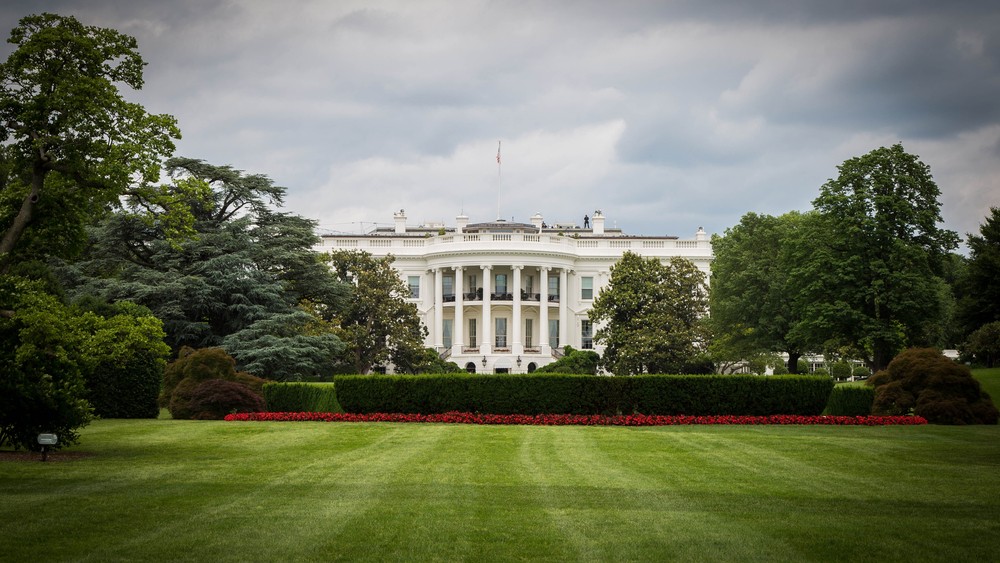
Escalation in the Middle East Drives Crude Spike
Oil prices experienced a dramatic surge during early Asian trading sessions this Thursday after President Trump signaled a continuation of military operations against Iran. The rhetoric, which included explicit mentions of potential strikes on energy infrastructure, shattered brief market hopes for a diplomatic de-escalation. West Texas Intermediate (WTI) climbed over 5% to reach $105.20, while Brent crude spiked by more than 6%, trading near $107.30 per barrel.
Volatility Returns as Diplomacy Fails
The sudden price reversal highlights the extreme sensitivity of global energy markets to geopolitical shifts. Prior to the President’s address, Brent had briefly dipped below the psychological $100 threshold on rumors of a possible ceasefire. However, the lack of a concrete timeline for peace and a retrospective on the duration of previous U.S. conflicts served as a catalyst for traders to price in long-term instability. The message to the market was unambiguous: the risk of a broader conflict remains a central reality.
Threats to Maritime Security and Supply Chains
Physical supply risks have intensified following a series of targeted attacks on energy vessels. A tanker leased to QatarEnergy was recently struck by an Iranian cruise missile within Qatari waters, closely following an incident where a Kuwaiti tanker was set ablaze at Dubai port. These events have placed the Strait of Hormuz—a critical chokepoint for global oil transit—under intense scrutiny. Analysts suggest that the market is shifting from a ‘geopolitical risk premium’ model to a ‘structural supply deficit’ model as physical disruptions become more frequent.
Economic Ripples and Global Impact
The International Energy Agency (IEA) has issued a stern warning that supply disruptions will likely worsen as we enter April. With pre-war inventories rapidly depleting, the buffer that protected markets in March is vanishing. This supply crunch has already begun to weigh on broader financial markets; South Korea’s Kospi index dropped by 2%, and U.S. and European futures turned lower as investors fear that energy-driven inflation will further stall global economic growth.

Finance
Global Markets Rally as Historic U.S.-Iran Deal Set to Reopen Strait of Hormuz
Oil prices plunge as the U.S. and Iran reach a historic deal to reopen the Strait of Hormuz, ending a 100-day closure and signaling a shift in global energy.

A Watershed Moment for Global Energy Security
In a move that has sent shockwaves through global energy markets, oil prices plummeted in early Monday trading following the announcement of a landmark diplomatic breakthrough between the United States and Iran. The agreement aims to reopen the Strait of Hormuz, a critical maritime chokepoint that has remained closed for over 100 days, stifling global supply chains and driving volatility across the energy sector.
Crude Prices React to Geopolitical De-escalation
Following the news, Brent crude fell by 3.95% to $83.88 per barrel, while West Texas Intermediate (WTI) dropped 4.62% to sit at $80.96. The price correction comes after weeks of downward trending on the back of rumors regarding a potential deal, despite several military escalations in the region. Analysts suggest that the reopening of the Strait could restore a sense of normalcy to the market that has been absent since the conflict began three months ago.
The Details of the Swiss Accord
President Trump confirmed via social media that a deal had been reached, stating that “oil will flow” once the memorandum of understanding is formally signed in Switzerland this coming Friday. The deal, mediated by Pakistan and Qatar, reportedly includes a 60-day ceasefire, the suspension of specific sanctions on Iranian oil, and the release of $24 billion in frozen Iranian assets. Crucially, the agreement mandates that Iran will refrain from nuclear weapons production and allows for the immediate resumption of crude exports during the ceasefire period.
Fragile Peace Faces Immediate Hurdles
Despite the optimism, the diplomatic path remains treacherous. A recent Israeli air strike on southern Beirut nearly derailed the negotiations, prompting an immediate call for restraint from the White House. Furthermore, while the agreement signals a significant step toward peace, traders remain cautious. The physical reopening of the Strait requires the clearing of naval mines and the formal restoration of shipping insurance protocols. Until the first tankers pass safely through the waterway, the market will likely maintain a posture of guarded optimism.
Finance
Oil Prices Pivot as U.S. Strikes in Iran Dampen Hopes for Diplomatic Breakthrough
U.S. strikes on Iranian targets send oil prices surging, complicating diplomatic deal hopes and raising fears of a global recession via the Strait of Hormuz.

Volatility Returns to Energy Markets
Oil prices surged during early Tuesday trading in Asia, effectively erasing a significant portion of Monday’s 5% slump. The sudden price reversal follows reports of fresh U.S. military strikes targeting missile sites and naval vessels in southern Iran. While markets had previously rallied on optimism that a framework agreement between Washington and Tehran was within reach, the latest kinetic action has introduced a new layer of uncertainty into the nearly three-month-long regional crisis.
The Multi-Front Conflict in the Persian Gulf
The U.S. Central Command (CENTCOM) defended the operations as a matter of ‘self-defense.’ Capt. Tim Hawkins, a spokesperson for Central Command, emphasized that the U.S. military continues to protect its assets while attempting to maintain restraint under the conditions of an ongoing, albeit fragile, ceasefire. However, the strikes have complicated the security landscape in the Persian Gulf and around the critical Strait of Hormuz. Despite President Donald Trump’s recent public assurances that the Strait would soon reopen for free navigation, vessel traffic remains inconsistent, with only a marginal uptick in energy cargoes reaching international buyers.
The Disconnect Between Diplomacy and Fundamentals
For several weeks, the noise surrounding potential diplomatic deals has largely overshadowed market fundamentals. Traders have been quick to price in the possibility of a resolution, often ignoring the reality of a global energy crunch caused by Middle Eastern supply being trapped behind the blockade. This optimistic bias has led to sharp price swings, but experts warn that the underlying supply deficit cannot be ignored forever. The current situation suggests that geopolitical ‘noise’ may be blinding investors to the actual risks of a prolonged shutdown.
Economic Warning Signs and the Threat of Recession
The stakes for the global economy are high. Fereidun Fesharaki, Chairman Emeritus of energy consultancy FGE NexantECA, recently told CNBC that the market must prepare for a significant price spike in July. Fesharaki warned that a four-month closure of the Strait of Hormuz is a ‘recipe for disaster’ that could trigger a global recession. While market participants are currently clinging to every piece of positive diplomatic news, the reality of military escalation suggests that the ‘worst-case scenario’ may be closer than many are willing to admit.
Finance
Vancouver Sees Unprecedented Shift as Rent Prices Plunge More Than Anywhere Else in Canada
Vancouver leads Canada with the steepest rent declines, offering rare relief to renters. Explore the latest data on BC’s cooling housing market and price trends.

A Major Shift in the West Coast Housing Market
Residents of British Columbia have long grappled with some of the most daunting housing costs in North America. However, recent data suggests a significant pivot is underway in the rental landscape. According to the latest National Rent Report released by Rentals.ca and Urbanation, Vancouver has recorded the most substantial rent decline of any major Canadian city, signaling a cooling trend that could offer much-needed relief to local tenants.
Breaking Down the Numbers: One-Bedrooms See Steepest Drops
The report highlights that the average asking rent in Vancouver has settled at $2,679, representing a 5.3 percent year-over-year decrease. This dip notably outpaces the national average and marks a departure from the aggressive price hikes seen in recent years. British Columbia as a whole led all provinces in the downward trend, with a 5.9 percent overall drop in average apartment rents.
The cooling effect is particularly visible in specific unit types. The average asking rent for a one-bedroom apartment in Vancouver fell to $2,358, a sharp 7 percent decline compared to the previous year. Two-bedroom units followed suit with a 2.8 percent decrease, bringing the average monthly asking price to $3,317. These figures represent a significant milestone in a market that has historically been characterized by relentless upward pressure.
High Costs Persist Despite Regional Cooling
Despite these significant declines, affordability remains a relative term in the region. North Vancouver currently holds the title of the most expensive municipality in the country, with one-bedroom units averaging $2,523 per month. Other Metro Vancouver cities, including Burnaby, Coquitlam, and Langley, continue to rank among the top 20 most expensive rental markets in Canada, suggesting that while prices are falling, the baseline remains high.
This 19-month trend of year-over-year declines in Canada suggests a broader stabilization of the market. As supply begins to align more closely with demand and economic factors shift renter behavior, the trickle-down effect in pricing is providing a rare opportunity for residents to negotiate better rates or find more manageable housing options in Canada’s most expensive corridor.
The End of an Era: CBC to Stop Airing NHL Games as ‘Hockey Night in Canada’ Leaves Free TV
Mark Carney Hails U.S.-Iran Framework as ‘Game Changer’ for Global Stability
Rory McIlroy Warns Against ‘Track 2’ Demotion for Historic Canadian Open
FBI Thwarts Explosive Drone Plot Targeting UFC Event at White House
New Era for Indigenous Rights? Liberals Unveil Revamped Clean Water Legislation
Tragedy at Skeleton Bridge: Brazilian Authorities Investigate Fatal Rope Jump Error

Opinion: John Rustad Has to Go

B.C. Supreme Court Grants Cowichan Tribes Title to Historic Richmond Lands and Fishing Rights

Vancouver Canucks Gear Up for a Make-or-Break 2025–26 Season

Province to Appeal Cowichan Tribes Land Decision

Kamloops Prepares Four Reverse Referendums on $188M in Major Projects

Kamloops Blazers Announce Off-Season Changes Ahead of 2025–26 Season
-
POLITICS2 weeks ago
New Global Trade War: Trump Administration Targets Canada and EU with Fresh Tariffs Over Forced Labor Claims
-
POLITICS2 weeks ago
Canada Unveils Massive $2B National AI Strategy to Secure Digital Sovereignty
-
Music News2 weeks ago
Céline Dion and Music Icons Mourn the Loss of Ballad Legend Peabo Bryson at 75
-
Crime2 weeks ago
Victim Identified in Fatal Surrey Shooting: IHIT Probes Potential Links to Organized Crime
-
British Columbia2 weeks ago
Community Mourns as Recovery Operations Conclude for Paddleboarders in B.C. Lake
-
Astronomy2 weeks ago
Celestial Fireworks: Venus Disappears Behind the Moon in Rare June Lunar Occultation
-

 OPINIONS2 weeks ago
Kerry-Lynne Findlay Won the Leadership. Now She Has to Win British Columbia.
-
media2 weeks ago
CBS News Ousts Scott Pelley After Explosive Confrontation with New Executive Producer