LOCAL
UBC Dementia Research Receives $500,000 Boost for Revolutionary Blood-Based Testing
The Cowell Foundation invests $500,000 in CLEAR Foundation to fund UBC’s groundbreaking biomarker research and blood-based dementia testing.


Transforming Dementia Diagnosis at UBC
The landscape of Alzheimer’s research in British Columbia has received a significant boost following a $500,000 investment from The Cowell Foundation. This visionary gift, directed to the CLEAR (Canadians for Leading Edge Alzheimer Research) Foundation, is set to accelerate the development of biomarker-based detection methods at the University of British Columbia’s newly inaugurated Core Facility for Neurology Biomarker Innovation (CFNBI).
Located within the UBC Hospital, the CFNBI represents a critical step forward in neurological science. Under the leadership of Dr. Cheryl Wellington, a Professor in the Department of Pathology and Laboratory Medicine, the facility is focused on a transformative goal: replacing expensive neuroimaging and invasive lumbar punctures with simple, accessible blood tests. These tests detect protein biomarkers that reflect real-time biological changes in the brain, offering a window into the progression of dementia long before traditional symptoms may surface.
Investing in Talent and Technology
The four-year commitment from The Cowell Foundation will be split between two primary initiatives. First, an Operating Grant will provide critical resources to established dementia researchers in British Columbia. Second, a Research Trainee Award will fund the development of the next generation of scientific talent, ensuring that the province remains at the forefront of global medical innovation.
Dr. Wellington’s team has already established a formidable track record, boasting over 50 publications and more than 70 managed projects. Their collaborative network of 140 experts has already attracted upwards of $75 million in funding, but this new investment specifically targets the practical application of biomarker technology to make diagnosis more equitable and timely for patients throughout the region.
The Growing Urgency of Dementia Research
The timing of this investment is critical. Currently, more than 770,000 Canadians are living with some form of dementia, and projections suggest this figure will nearly double by 2050. As the population ages, the demand for early and accurate diagnosis becomes a matter of public health necessity. Early detection is widely considered the key to effective intervention and, eventually, a cure.
In a statement, the Cowell family emphasized the personal nature of their contribution, noting the profound impact the disease has on families and caregivers. By funding the CLEAR Foundation—which directs 100% of public donations toward research—this gift ensures that the path toward a future free from dementia remains a top priority for Canadian science.

Environment
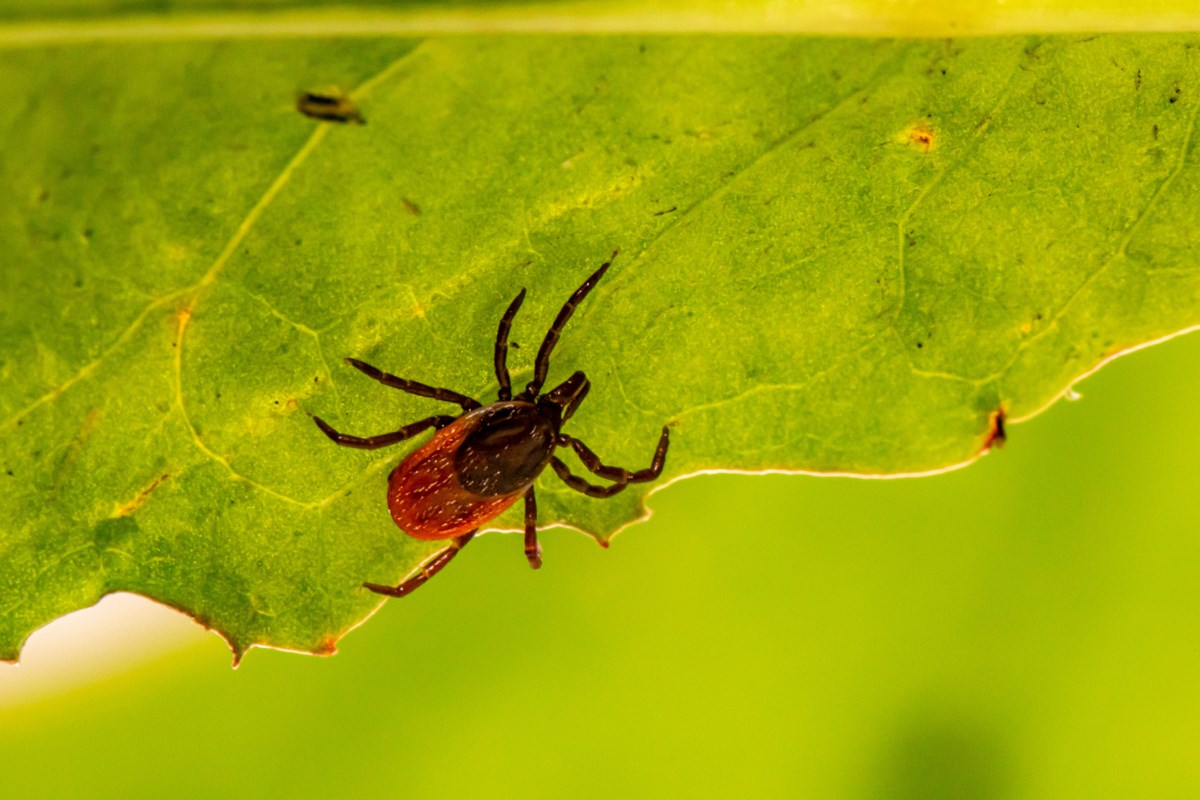
The Rising Tide of Ticks: Why Canada Faces a Growing Threat of Lyme Disease and Beyond
Explore why tick populations are surging in Canada due to climate change and urban growth, and learn about the rising threat of Lyme disease and red meat allergies.
A Personal Battle Becomes a Scientific Mission
Fifteen years ago, Vett Lloyd, a professor of biology at Mount Allison University, was told by public health officials that ticks simply did not exist in her home province of New Brunswick. Her own diagnosis with Lyme disease proved those claims false, sparking a career dedicated to understanding how these parasites are spreading across the Canadian landscape. Today, Lloyd’s research highlights a grim reality: tick populations and the diseases they carry are skyrocketing across the country.
The Role of Climate Change and Urban Development
The surge in tick activity is largely driven by shifting environmental factors. Traditionally, Canada’s long, harsh winters acted as a natural check on tick populations, starving them out as snow cover prevented them from finding hosts. However, global warming has led to more variable weather and less consistent snow cover. Ticks are opportunistic; they do not hibernate and will emerge to feed whenever temperatures rise, leading to much earlier and more intense seasons. Furthermore, the expansion of green, moist suburban areas has created the perfect habitat for rodents and other wildlife that carry ticks, bringing the threat directly into Canadian backyards.
The Hidden Scale of the Crisis
While official data from the Public Health Agency of Canada shows cases of Lyme disease rising from 143 in 2010 to over 7,000 by 2025, experts believe these numbers are a vast underestimation. Many cases go unreported due to a lack of diagnostic access or the difficulty of spotting a tick bite. Scientists estimate there has been a tenfold increase in infections over the last decade, with a significant portion of patients developing chronic illnesses that result in long-term fatigue, aches, and cognitive impairment.
New Threats on the Horizon
It isn’t just Lyme disease that Canadians need to worry about. Warmer regions like Southern Ontario are seeing the emergence of Lone Star and Gulf Coast ticks, which were previously unable to survive Canadian winters. These species can trigger ‘Alpha-gal syndrome,’ a severe red meat allergy caused by a reaction to tick saliva. As the climate continues to shift, researchers at Mount Allison University are working on rapid home-testing kits to help Canadians detect pathogens early and mitigate the growing economic and personal impact of these tick-borne illnesses.
BC NEWS
B.C. Teacher Facing 15-Year Ban Over Inappropriate Relationship with Vulnerable Former Student
B.C. teacher Jonas Alexander Douglas Huston receives a 15-year ban following an inappropriate relationship with a vulnerable former student.

Professional Misconduct Leads to Severe Disciplinary Action
A British Columbia private school teacher has been barred from the teaching profession for 15 years following an investigation into a sexual relationship with a former student. The B.C. Commissioner for Teacher Regulation released a consent resolution agreement on Tuesday, detailing the professional misconduct involving Jonas Alexander Douglas Huston, who previously served as a secondary school teacher at an independent institution.
Exploitation of Power and Trust
The investigation revealed that Huston initiated an intimate and sexual relationship with the student within five months of their graduation. According to the commissioner, Huston was fully aware that the student was in a vulnerable state at the time. The relationship was the result of a connection fostered while Huston was in a position of authority at the school, where he maintained close contact with the individual until the transition from student to former student occurred.
The school authority first notified the commissioner of the situation in January 2025. Although Huston was not working as a teacher at the time the report was filed, the commissioner determined that his actions constituted a fundamental breach of the trust inherent in the educator-student dynamic. The ruling emphasized that Huston used his position of power to exploit the student, resulting in documented harm.
Fifteen-Year Prohibition from Classroom Service
In the signed agreement, Huston admitted to professional misconduct and accepted a 15-year ban on applying for a teaching certificate. This restriction applies to both the independent school system and the kindergarten through Grade 12 public school systems across British Columbia. The length of the ban reflects the severity of the ethical violation and serves as a deterrent to others in the field.
Educational advocates often point to these cases as a reminder of the enduring nature of the power imbalance between teachers and students, even after graduation. The B.C. Commissioner for Teacher Regulation maintains that the penalty is necessary to uphold the integrity of the profession and ensure the safety and well-being of all students within the province’s educational infrastructure.
Lifestyle
Sun Fresh Bakery: The Hidden Gem Serving Authentic $5 Steamed Rice Noodles in Chinatown
Discover the secret $5.25 steamed rice noodles at Sun Fresh Bakery in Chinatown. A budget-friendly, gluten-free hidden gem serving authentic Hong Kong comfort food.

A Culinary Secret in the Heart of Chinatown
Tucked away among the bustling streets of Chinatown lies a modest establishment that captures the essence of old-school Hong Kong culinary tradition. Sun Fresh Bakery, located at 245 Keefer Street, has long been a neighborhood staple for those seeking traditional baked goods, but it is their lesser-known savory menu that is currently capturing the attention of local food enthusiasts. While the storefront may blend into the historic landscape, the aromas wafting from the kitchen reveal a destination for authentic, budget-friendly comfort food.
Hand-Crafted Comfort for Under Six Dollars
The standout star of the bakery’s hidden menu is the fresh steamed rice noodles. A fundamental staple of Cantonese cuisine, these noodles are crafted from finely milled rice flour and water, resulting in a delicate, slightly chewy texture that is increasingly difficult to find prepared traditionally. Starting at just $5.25 per portion, the dish offers an accessible entry point for those seeking a fulfilling lunch without the premium price tag of modern fusion eateries. Each order is served with a signature sweet soy sauce, allowing the clean flavors of the rice and fresh toppings to shine.
Traditional Techniques Meet Modern Dietary Needs
Beyond the texture and taste, these rice noodles cater to a variety of preferences and dietary requirements. Naturally gluten-free, the dish can be customized with various traditional toppings such as aromatic green onions, seasoned ground pork, or tender beef. For those looking for a more expansive meal, Sun Fresh Bakery also maintains a robust selection of classic dim sum, including pork dumplings (siu mai) and steamed prawn dumplings (har gow). Their congee and stir-fried noodle options further solidify the bakery as more than just a pastry shop, but a versatile lunch counter keeping heritage flavors alive.
Preserving the Neighborhood Legacy
As urban landscapes evolve, spots like Sun Fresh Bakery provide a vital link to the past. By offering affordable, high-quality staples like pineapple buns and steamed noodles, the bakery serves as both a community hub and a destination for culinary discovery. Whether you are a longtime resident or a curious visitor following the latest viral food trends, this hidden gem represents the enduring appeal of simple, well-executed comfort food in one of the city’s most historic districts.
The End of an Era: CBC to Stop Airing NHL Games as ‘Hockey Night in Canada’ Leaves Free TV
Mark Carney Hails U.S.-Iran Framework as ‘Game Changer’ for Global Stability
Rory McIlroy Warns Against ‘Track 2’ Demotion for Historic Canadian Open
FBI Thwarts Explosive Drone Plot Targeting UFC Event at White House
New Era for Indigenous Rights? Liberals Unveil Revamped Clean Water Legislation
Tragedy at Skeleton Bridge: Brazilian Authorities Investigate Fatal Rope Jump Error

Opinion: John Rustad Has to Go

B.C. Supreme Court Grants Cowichan Tribes Title to Historic Richmond Lands and Fishing Rights

Vancouver Canucks Gear Up for a Make-or-Break 2025–26 Season

Province to Appeal Cowichan Tribes Land Decision

Kamloops Prepares Four Reverse Referendums on $188M in Major Projects

Kamloops Blazers Announce Off-Season Changes Ahead of 2025–26 Season
-
POLITICS2 weeks ago
New Global Trade War: Trump Administration Targets Canada and EU with Fresh Tariffs Over Forced Labor Claims
-
POLITICS2 weeks ago
Canada Unveils Massive $2B National AI Strategy to Secure Digital Sovereignty
-
Music News2 weeks ago
Céline Dion and Music Icons Mourn the Loss of Ballad Legend Peabo Bryson at 75
-
Crime2 weeks ago
Victim Identified in Fatal Surrey Shooting: IHIT Probes Potential Links to Organized Crime
-
British Columbia2 weeks ago
Community Mourns as Recovery Operations Conclude for Paddleboarders in B.C. Lake
-
Astronomy2 weeks ago
Celestial Fireworks: Venus Disappears Behind the Moon in Rare June Lunar Occultation
-

 OPINIONS2 weeks ago
Kerry-Lynne Findlay Won the Leadership. Now She Has to Win British Columbia.
-
media2 weeks ago
CBS News Ousts Scott Pelley After Explosive Confrontation with New Executive Producer