Environment
From Hollywood to the Harvest: Zach Galifianakis Unveils Vancouver Island Gardening Series on Netflix
Zach Galifianakis launches ‘This is a Gardening Show’ on Netflix, spotlighting Vancouver Island farmers and the importance of food security for youth.


A New Chapter in the Comedian’s Career
Known globally for his deadpan delivery in the Between Two Ferns series and his breakout role in The Hangover, Zach Galifianakis is pivoting from Hollywood blockbusters to the fertile soils of British Columbia. The actor is set to lead a new Netflix documentary series titled This is a Gardening Show, a project that spotlights the vibrant agricultural community of Vancouver Island. The series is scheduled for a global release on April 22, strategically timed to coincide with Earth Day.
Cultivating Local Connections
The documentary is far more than a celebrity vanity project; it is a deeply personal endeavor rooted in Galifianakis’s 30-year history with the Vancouver Island region. A hobby gardener for over two decades, Galifianakis aims to bridge the gap between comedic entertainment and practical food security. The show features a mix of the actor’s signature sardonic wit and earnest conversations with local experts, such as Arzeena Hamir, a food security advocate and co-owner of Amara Farm in the Comox Valley. Hamir notes that the show arrives at a critical juncture when rising food costs and climate concerns have made domestic food production more relevant than ever.
Inspiring the Next Generation
A primary focus of This is a Gardening Show is the engagement of younger audiences. One episode features Galifianakis visiting students at Brooklyn Elementary School in Comox, where he discusses the origins of their food. The actor expressed a sense of urgency regarding environmental education, suggesting that as the climate becomes more unpredictable, the ability to grow one’s own food will be an essential skill for the next generation. By blending humor with horticulture, the series hopes to reach viewers who might typically avoid traditional instructional programming.
Personal Stakes and Pumpkin Pies
While the series addresses broad themes of sustainability, it also highlights Galifianakis’s own quiet life on a southern B.C. island. The comedian shared his personal goals for his home garden, including a lighthearted obsession with growing sugar pumpkins for holiday pies. As viewers prepare for the Netflix premiere, the project stands as a testament to the idea that even the most unexpected voices can champion environmental stewardship and local agriculture.



Environment
Global Wildfire Crisis: B.C. Faces Intense Week as Smoke and Diplomatic Tensions Rise
Canada and Europe face a record-breaking wildfire season as B.C. deals with water shortages, toxic smoke, and new tariff threats from the United States.

A Season of Unprecedented Fire Activity
Wildfire seasons across the Northern Hemisphere are reaching critical levels as communities in Western Canada and parts of Europe battle massive blazes. Fuelled by extreme heat, severe drought, and high winds, the situation has mirrors in France and Spain, where more than 300,000 people have been evacuated. In Canada, nearly 4 million hectares have already burned, marking one of the most intense seasons on record. Prime Minister Mark Carney has categorized the situation as a direct consequence of a changing climate, with persistent heat waves creating a volatile environment for fire spread.
Water Security Threats in British Columbia
While firefighters in British Columbia battle fast-moving flames, two communities are facing unique infrastructure emergencies. In Clinton, residents are being urged to conserve water as supplies reach critically low levels. A boil-water advisory is currently in effect after the village bypassed treatment systems to prioritize high-pressure water flow for firefighters protecting the area from the Pear Lake wildfire. Further south, Boston Bar reported an incident of alleged vandalism where a critical water valve was improperly opened within an evacuation zone, a move officials say could have jeopardized firefighting efforts and damaged the local system.
Air Quality and Cross-Border Friction
The smoke from these fires has degraded air quality across Western Canada and the United States. Communities like Fox Creek and High Prairie in Alberta have reported some of the worst conditions in the country. This environmental crisis has also taken a political turn, as U.S. President Donald Trump renewed threats of tariffs against Canada. Citing the smoke drifting south across the border, Trump suggested that pollution-related costs should be tied to new import tariffs, though no specific policy details have been released. This rhetoric comes as smoke from U.S. fires in the Cascades simultaneously pushes north into British Columbia, compounding the province’s air quality issues.
Community Support Amidst the Chaos
Despite the high-level tensions and environmental threats, local communities are stepping up to support those on the front lines. In Clinton, the Stagecoach Cafe has become a hub for exhausted crews. Owners Maria and Nicholas Kosovic, along with their teenage staff, have been working from 3 a.m. until late at night to ensure firefighters are fed with hot meals like lasagna and chicken pot pie. As the fire season is expected to last well into the autumn months in both North America and Europe, such grassroots support remains a vital lifeline for emergency responders.
Environment
B.C. Wildfire Service Braces for ‘Significant Weather Day’ as Heatwave Peaks
BC Wildfire Service prepares for a critical weather peak as heat warnings expand. New evacuations ordered near Boston Bar amid ‘out of control’ fire growth.

Rising Temperatures and Low Water Levels Challenge Firefighters
As a punishing heatwave spreads across British Columbia, incident commanders are sounding the alarm over a projected peak in temperatures that could trigger new wildfire starts. Hugh Murdoch, incident commander for the Bootleg Complex near Kimberley, confirmed that while fire growth has been minimal over recent days thanks to favorable conditions, crews are now bracing for a “significant weather day” this Thursday. The complex currently consists of seven active fires, including two classified as wildfires of note that have forced evacuation alerts for city residents.
Strategic Shifts Amidst Extreme Conditions
To combat the intensifying heat and drying forest fuels, the BC Wildfire Service is pivoting its strategy. Firefighters are currently developing an expansive water delivery system utilizing helicopters to ferry supplies to the front lines. This logistical shift is necessitated by historically low streamflows in the region, which have made traditional ground-based water sourcing increasingly difficult. This ridge of high pressure, as identified by Environment Canada, is not only driving up temperatures but also contributing to stagnant air and worsening visibility across the province.
Evacuations and Air Quality Warnings
The urgency of the situation was underscored on Tuesday south of Boston Bar, where a fast-moving blaze prompted immediate evacuation orders. Although many residents in the community—located approximately 200 kilometers northeast of Vancouver—had already been advised to leave due to nearby fires, the new blaze was described as out of control and spreading with such velocity that those remaining were placed in immediate danger. The Fraser Valley Regional District has since mandated that all residents exit the area without delay.
Provincial Outlook and Safety Risks
The BC Wildfire Service’s latest situational report warns that the combination of limited precipitation and high heat is rapidly reducing fuel moisture levels. This trend is expected to persist throughout the week, particularly in the northeastern and central regions where smoke density is projected to increase. Air quality advisories currently blanket much of B.C. as more than 80 wildfires continue to burn, prompting officials to urge the public to remain vigilant and prepared for rapid changes in fire behavior as the heat ridge moves across the province.
Environment
Super Typhoon Bavi Rapidly Intensifies to Category 5 Strength as it Threatens Pacific Islands
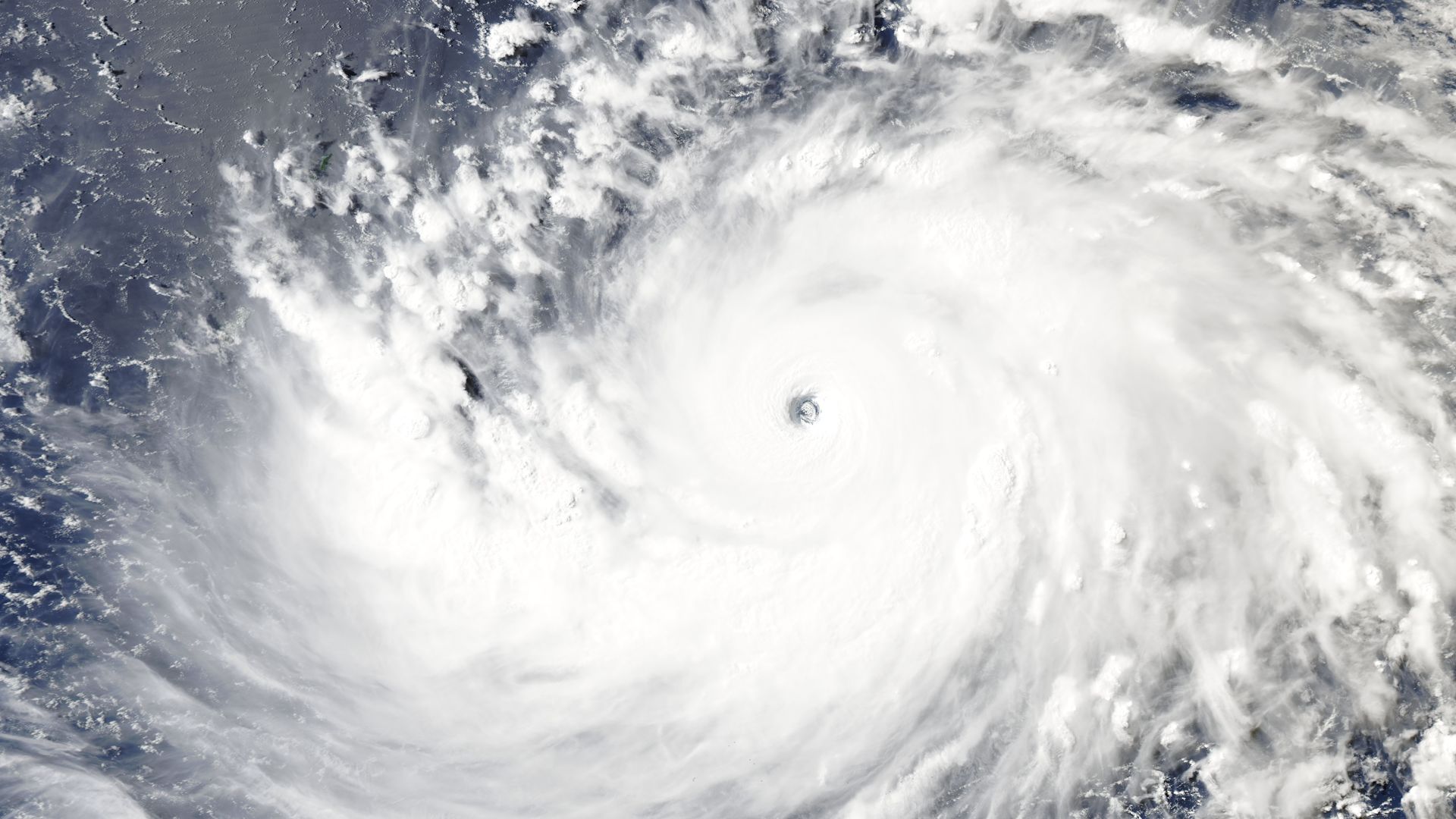
Super Typhoon Bavi has reached Category 5 intensity with 260 km/h winds, posing a direct threat to the Northern Mariana Islands and Guam this week.
A Powerful Threat Emerges in the Western Pacific
The western Pacific Ocean is currently playing host to one of the most powerful meteorological events of 2026. Super Typhoon Bavi has rapidly intensified into a scale-topping Category 5 equivalent storm, packing maximum sustained winds of 260 km/h. According to the Joint Typhoon Warning Center (JTWC), the storm’s minimum central pressure has plummeted to 919 mb, signaling a core of extreme intensity as it moves toward the Northern Mariana Islands.
Impact Forecast for Guam and the Northern Marianas
As of Saturday afternoon, the storm continues to churn through favorable atmospheric conditions. While eyewall replacement cycles may cause temporary fluctuations in wind speed, the environment remains highly conducive to maintaining Bavi’s status as a high-end super typhoon. Residents of Guam and the Northern Mariana Islands—home to over 200,000 people—are currently on high alert. Current projections suggest the eyewall could pass directly over or near the island of Rota on Monday, bringing life-threatening storm surges, destructive winds, and torrential rainfall.
Historical Context and Global Storm Activity
Bavi marks the third Category 5 equivalent storm globally this year, following Tropical Cyclone Horacio in February and Super Typhoon Sinlaku in April. For the Northern Mariana Islands, the arrival of such a powerful system evokes memories of Super Typhoon Yutu in 2018 and Typhoon Mawar in 2023, both of which caused significant infrastructure damage. Forecasters expect Bavi to expand in physical size as it tracks westward, potentially posing a major threat to Taiwan by the latter half of the week.
Preparedness and Long-term Outlook
Emergency management officials are urging residents to complete preparations immediately. The combination of high sea-surface temperatures and low wind shear in the Philippine Sea is expected to keep Bavi at major hurricane strength for several days. As the storm grows, its wind field will likely impact a broader geographic area, necessitating close monitoring across East Asia as the system approaches more populated coastlines later this month.

Where Provincial Jobless Rates Stood in September
What New Brunswick’s Latest Unemployment Figures Mean for Your Community

Who Is Running in Your Riding for the 2026 BC Election?

How Central Okanagan Residents Can Avoid Costly Household Plumbing Damage This Thanksgiving

BC Supreme Court Judge Set to Rule on Sentence Length for Former Gang Member

Loss of Newborn Calf Puts Fresh Focus on Endangered Southern Resident Whales

Opinion: John Rustad Has to Go

B.C. Supreme Court Grants Cowichan Tribes Title to Historic Richmond Lands and Fishing Rights

Vancouver Canucks Gear Up for a Make-or-Break 2025–26 Season

Province to Appeal Cowichan Tribes Land Decision

Kamloops Blazers Announce Off-Season Changes Ahead of 2025–26 Season

Kamloops Prepares Four Reverse Referendums on $188M in Major Projects
-

 LOCAL7 days ago
Have You Seen Him? Public Help Sought in Locating Missing Traveller Last Seen in Kamloops
-

 BC STORIES7 days ago
Why a Familiar Political Name is Joining the Kamloops-North Thompson Race
-
LOCAL6 days ago
Your Current 3 Day Forecast — October 4, 2026
-

 LOCAL7 days ago
Two Displaced as Investigators Eye Suspicious Four-Plex Fire in Kelowna
-

 COMMUNITY4 days ago
Why Okanagan Pet Owners Turned to Free BC SPCA Clinics After Wildfire Season
-

 OPINIONS4 days ago
B.C. Election Poll Puts Conservatives Ahead Five Points as Cost of Living Tops Voters’ Concerns
-

 BC STORIES4 days ago
B.C. Patients Could Soon Select Surgical Lists Based on Wait Times Under NDP Plan
-
LOCAL3 days ago
Your Current 3 Day Forecast — October 7, 2026