Environment
Invasive Mosquitoes Carrying Brain-Swelling Virus Detected in B.C. Sea-to-Sky Region
B.C. health officials detect invasive mosquitoes and the California serogroup virus in the Sea-to-Sky region following a cluster of childhood encephalitis cases.


Investigation Sparked by Pediatric Cases
Health officials in British Columbia have confirmed the presence of invasive mosquitoes and a concerning virus capable of causing brain swelling in the Sea-to-Sky corridor north of Vancouver. The investigation was launched by the B.C. Centre for Disease Control (BCCDC) following a cluster of three pediatric encephalitis infections reported in the region in August 2024. Researchers concentrated their efforts between Squamish and Pemberton to identify the source of the rare infections.
California Serogroup Virus Identified
Anya F. Smith, a senior scientist with the BCCDC, stated that researchers discovered two mosquito species testing positive for the California serogroup virus. This group of pathogens is known to cause serious neurological conditions in humans, including encephalitis and meningitis. Among the carriers identified was the northern house mosquito, a species native to Africa, Asia, and Europe that has successfully established itself as an invasive species in British Columbia.
Impact of Climate Change on Disease Transmission
While the detected virus levels were low—preventing the team from confirming a specific strain—the findings are seen as a critical baseline for public health preparedness. Stefan Iwasawa of the BCCDC emphasized that rising temperatures due to climate change are expected to increase human exposure to various mosquito species. Understanding which species are present and what viruses they carry is essential for developing effective prevention and response strategies in a changing environment.
Assessing the Public Risk
Despite the detection, health authorities including Vancouver Coastal Health and the University of B.C. maintain that the current risk of serious illness remains low. Historical data shows only 15 known cases of California serogroup virus in B.C. between 2009 and 2024, with no new cases reported in the Sea-to-Sky corridor so far in 2025. Officials continue to monitor the situation while advising the public to take standard precautions against mosquito bites during the warmer months.

Environment
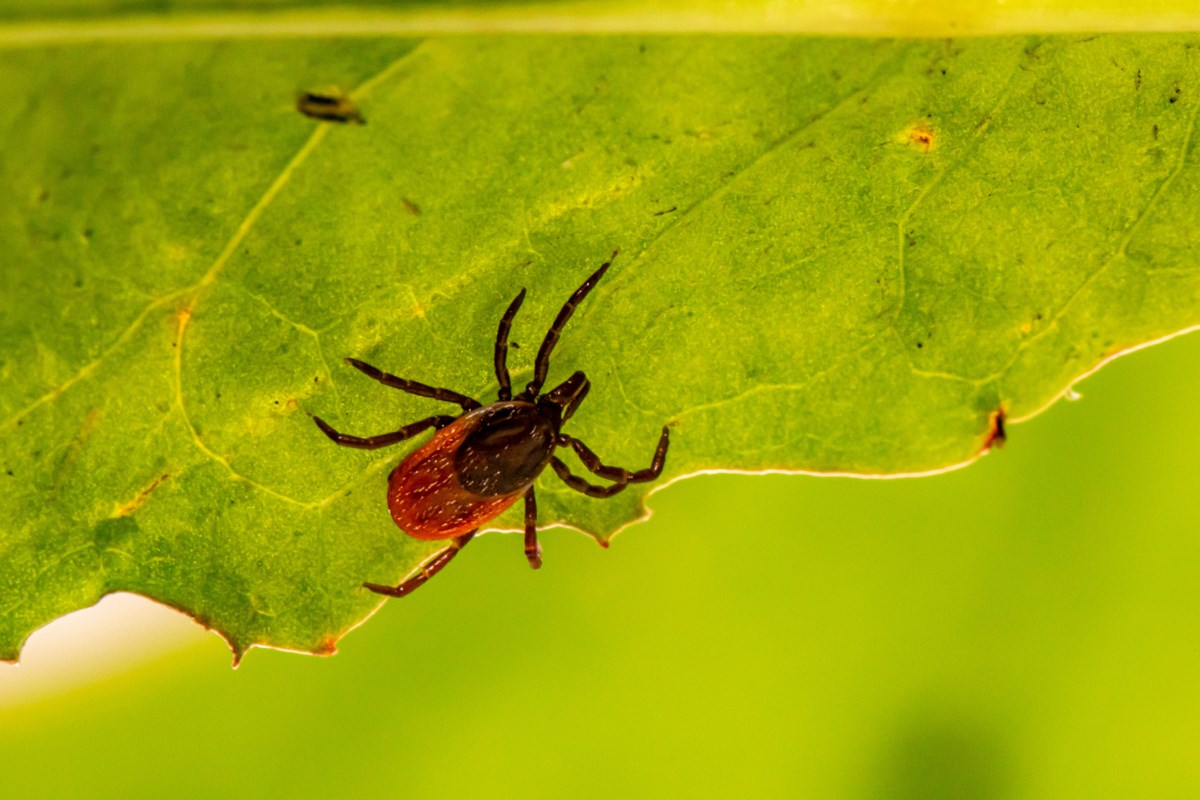
The Rising Tide of Ticks: Why Canada Faces a Growing Threat of Lyme Disease and Beyond
Explore why tick populations are surging in Canada due to climate change and urban growth, and learn about the rising threat of Lyme disease and red meat allergies.
A Personal Battle Becomes a Scientific Mission
Fifteen years ago, Vett Lloyd, a professor of biology at Mount Allison University, was told by public health officials that ticks simply did not exist in her home province of New Brunswick. Her own diagnosis with Lyme disease proved those claims false, sparking a career dedicated to understanding how these parasites are spreading across the Canadian landscape. Today, Lloyd’s research highlights a grim reality: tick populations and the diseases they carry are skyrocketing across the country.
The Role of Climate Change and Urban Development
The surge in tick activity is largely driven by shifting environmental factors. Traditionally, Canada’s long, harsh winters acted as a natural check on tick populations, starving them out as snow cover prevented them from finding hosts. However, global warming has led to more variable weather and less consistent snow cover. Ticks are opportunistic; they do not hibernate and will emerge to feed whenever temperatures rise, leading to much earlier and more intense seasons. Furthermore, the expansion of green, moist suburban areas has created the perfect habitat for rodents and other wildlife that carry ticks, bringing the threat directly into Canadian backyards.
The Hidden Scale of the Crisis
While official data from the Public Health Agency of Canada shows cases of Lyme disease rising from 143 in 2010 to over 7,000 by 2025, experts believe these numbers are a vast underestimation. Many cases go unreported due to a lack of diagnostic access or the difficulty of spotting a tick bite. Scientists estimate there has been a tenfold increase in infections over the last decade, with a significant portion of patients developing chronic illnesses that result in long-term fatigue, aches, and cognitive impairment.
New Threats on the Horizon
It isn’t just Lyme disease that Canadians need to worry about. Warmer regions like Southern Ontario are seeing the emergence of Lone Star and Gulf Coast ticks, which were previously unable to survive Canadian winters. These species can trigger ‘Alpha-gal syndrome,’ a severe red meat allergy caused by a reaction to tick saliva. As the climate continues to shift, researchers at Mount Allison University are working on rapid home-testing kits to help Canadians detect pathogens early and mitigate the growing economic and personal impact of these tick-borne illnesses.
Environment
Montreal Hits Record High for Lyme Disease as Island Becomes Official Risk Zone
Montreal records record 161 Lyme disease cases in 2025. With 38% of infections occurring locally, health officials warn of climate-driven tick expansion.

Lyme Disease Surge Linked to Climate Change and Local Exposure
Montreal public health officials have confirmed that the city reached an unprecedented milestone in 2025, recording its highest number of Lyme disease cases to date. A total of 161 cases were documented in the agency’s latest annual report, marking a significant increase from the 113 cases reported just one year prior. Most notably, nearly 38 per cent of these infections—61 cases—are believed to have occurred directly on the island of Montreal, reinforcing the city’s status as an endemic zone for the black-legged ticks that carry the bacteria.
Dr. Nicolas Sheppard-Jones, medical lead for infectious disease public health emergencies, noted that the rise is not unexpected given the northward migration of tick populations. Health experts point to climate change as a primary driver, as warming temperatures create more hospitable environments for ticks to thrive in urban gardens and parks. Previously, most cases seen in Montreal were imported from Ontario or the United States, but local transmission has now become the dominant trend.
Demographics and Hospitalization Risks
The 2025 data reveals that older adults are particularly vulnerable, with Montrealers aged 50 to 69 accounting for the largest share of infections. Children are not exempt, however, with 22 cases recorded in the 0-14 age bracket. While Lyme disease is often treated effectively with antibiotics, roughly six per cent of patients required hospitalization due to severe complications affecting the heart, joints, and neurological systems.
Interestingly, many patients were unaware they had been bitten; only 14 per cent reported seeing a tick on their skin. Activities as common as gardening and yard maintenance were cited by 39 per cent of those infected locally, highlighting that the risk extends beyond deep-forest hiking into residential backyards.
Prevention and Immediate Action
Public health officials are urging residents to adopt new habits to mitigate risk. Recommendations include wearing long clothing, using approved tick repellents, and staying on marked paths during outdoor activities. Experts emphasize the importance of a ‘tick check’ and showering within two hours of returning home to remove unattached ticks. If a bite is discovered, the tick should be removed carefully with tweezers without crushing the abdomen, and the incident should be reported via 811 to determine if preventative antibiotics are necessary.
business
Canada Challenges China’s Dominance as Mark Carney Breaks Ground on Massive Matawinie Graphite Mine
Prime Minister Mark Carney breaks ground on Quebec’s Matawinie Mine, the G7’s largest graphite project, aimed at challenging China’s EV battery dominance.

A Strategic Shift in Global Battery Supply Chains
In a move to secure Canada’s position in the global green economy, Prime Minister Mark Carney officially broke ground Tuesday at the Matawinie Mine site in Quebec. The project, operated by Nouveau Monde Graphite (NMG), is being hailed as the largest graphite mine in the G7 and a cornerstone of North America’s electric vehicle (EV) supply chain. Located near Saint-Michel-des-Saints, the facility is expected to produce over 106,000 tonnes of natural graphite annually—an eight-fold increase over Canada’s current total production.
Economic Impact and Federal Support
The Matawinie Mine is projected to inject nearly $2 billion into the Canadian economy while creating 1,000 jobs. To ensure the project’s success, the federal government has orchestrated a massive $459-million financing package through Export Development Canada and the Canada Infrastructure Bank. Furthermore, Ottawa has secured a seven-year offtake agreement for 30,000 tonnes of graphite concentrate annually, ensuring a steady market for the mine’s output. The project also prioritizes sustainability, with a $4.4-million investment for electric heavy machinery to replace traditional diesel equipment.
Reducing Reliance on International Monopolies
Currently, China dominates the global graphite market, controlling nearly 80 percent of production. Graphite is a critical component for EV battery anodes, and Canada’s current global market share sits at a mere 0.7 percent. Prime Minister Carney emphasized that this mine will build a more resilient international partnership, particularly with the United States, which already receives the majority of Canada’s graphite exports. The mine will eventually integrate with the Bécancour Battery Material Plant, creating Canada’s first fully integrated ‘mine-to-battery’ supply chain powered by Quebec’s hydroelectricity.
Political Tension Over Project Timelines
Despite the celebratory atmosphere, the project has drawn criticism from the Conservative party. MP Shannon Stubbs argued that the Liberal government is taking credit for a project that was already well-advanced, suggesting the mine’s progress is a testament to the industry’s resilience against federal ‘red tape.’ However, the Liberals point to the Major Projects Office (MPO) referral as a key catalyst that streamlined permitting and financing, allowing construction to begin just six months after the referral was made.
Goal Fest at the World Cup: Germany Dominates as Australia Shines in Vancouver
The Rising Tide of Ticks: Why Canada Faces a Growing Threat of Lyme Disease and Beyond
Global Markets Rally as Historic U.S.-Iran Deal Set to Reopen Strait of Hormuz
B.C. Conservatives Overtake NDP in New Post-Leadership Poll
B.C. Teacher Facing 15-Year Ban Over Inappropriate Relationship with Vulnerable Former Student
Sun Fresh Bakery: The Hidden Gem Serving Authentic $5 Steamed Rice Noodles in Chinatown

Opinion: John Rustad Has to Go

B.C. Supreme Court Grants Cowichan Tribes Title to Historic Richmond Lands and Fishing Rights

Vancouver Canucks Gear Up for a Make-or-Break 2025–26 Season

Province to Appeal Cowichan Tribes Land Decision

Kamloops Prepares Four Reverse Referendums on $188M in Major Projects

Kamloops Blazers Announce Off-Season Changes Ahead of 2025–26 Season
-
POLITICS2 weeks ago
New Global Trade War: Trump Administration Targets Canada and EU with Fresh Tariffs Over Forced Labor Claims
-
POLITICS2 weeks ago
Canada Unveils Massive $2B National AI Strategy to Secure Digital Sovereignty
-
Music News2 weeks ago
Céline Dion and Music Icons Mourn the Loss of Ballad Legend Peabo Bryson at 75
-
International2 weeks ago
Canada Secures Decisive 2-0 Victory Over Uzbekistan as World Cup Fever Hits Edmonton
-
Crime2 weeks ago
Victim Identified in Fatal Surrey Shooting: IHIT Probes Potential Links to Organized Crime
-
POLITICS2 weeks ago
White House Adjusts Tariffs on Steel and Aluminum Derivatives to Bolster Industry
-
Hockey2 weeks ago
Vancouver Canucks Appoint Manny Malhotra as Head Coach Amid Massive Front Office Overhaul
-
Crime2 weeks ago
Actor Nick Pasqual Sentenced to 32 Years to Life Following Brutal Stabbing of Former Partner